Yards Connect Us To The Soil

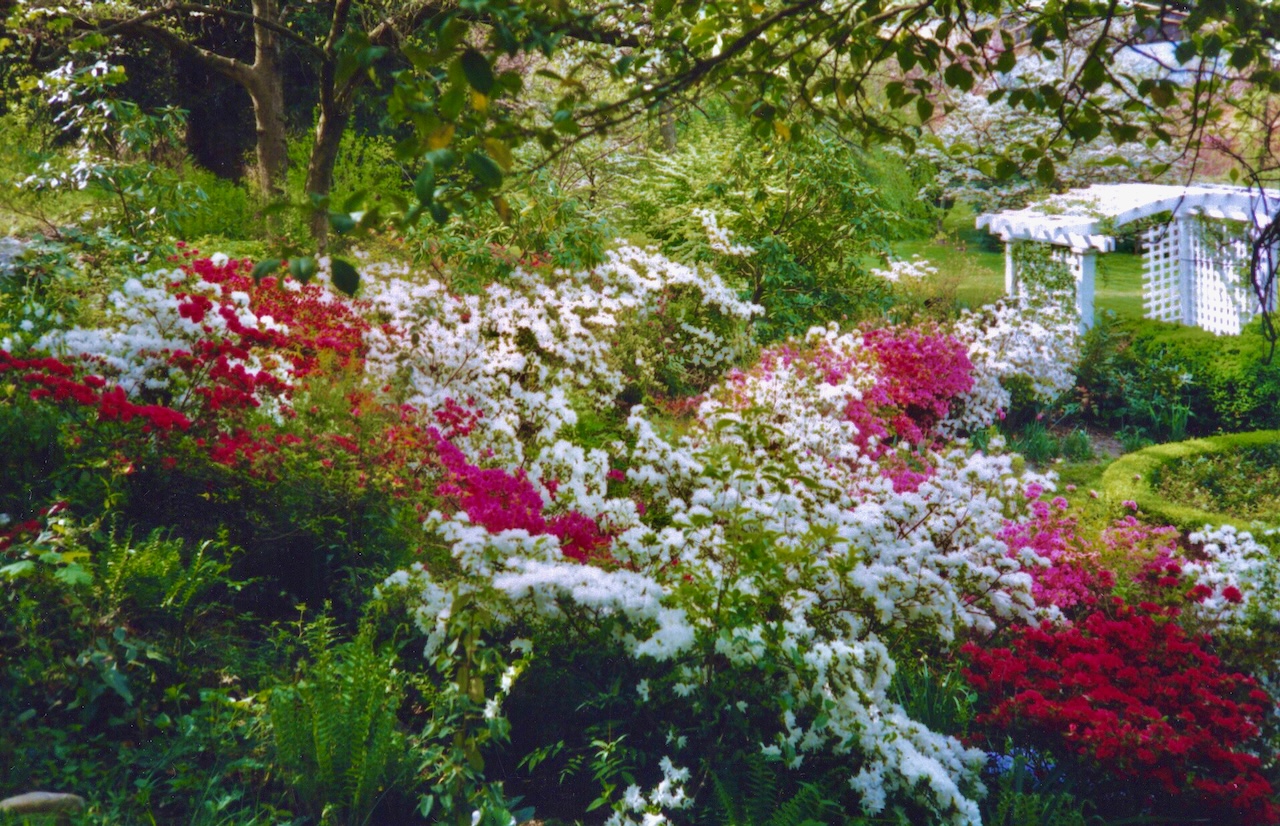
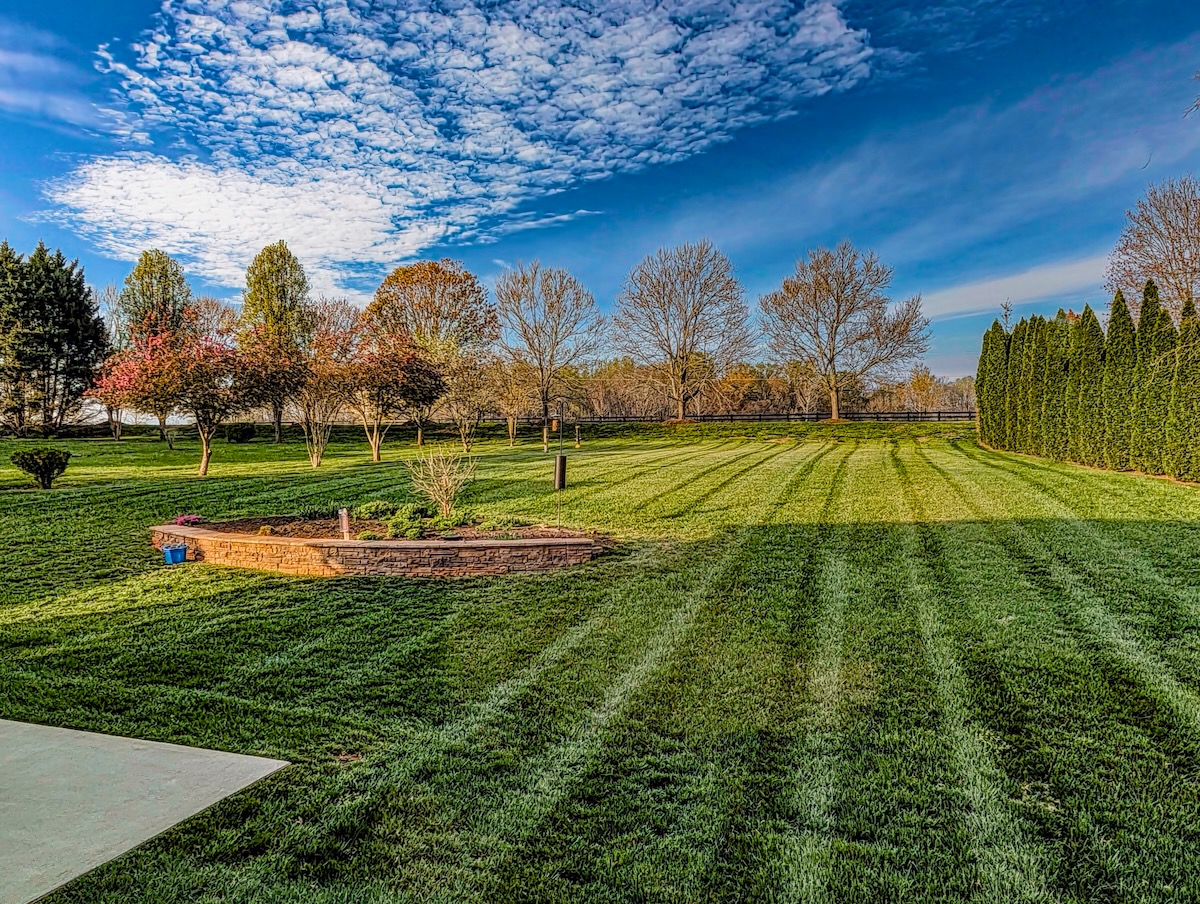
Our Backyard After The First Mowing Of 2026

People outside the cities in the first half of the twentieth century likely kept their connection to the soil by gardening and small-scale farming. By the time I was growing up in the fifties in Lewisville, North Carolina, yards, flowers, and shrubs had largely replaced gardening for food as a connection. As a youngster the condition of our grassy yard often stood between me and a trip to my uncle Henry’s fishing ponds. My mother who claimed the only yard she had as a child was packed dirt swept with broom straw wanted our American-dream yard neatly clipped. In driving by our old home, I am little disappointed the town did not put in sidewalks in front of our house during my youth. It would have eliminated the slope on the front yard. It was by far the hardest part of the yard to mow as a youngster.

Going away to military school (high school) and then college got me out of mowing yards for almost a decade. My first home after graduation was a two-hundred year old farm house located in a sheep pasture on the Fundy coast of Nova Scotia. No sheep came with the old farm house but long grass around the house did not bother me as a young farmstead owner. When I first moved there in the summer of 1971, the yard was the least of my worries. Getting hot water plumbed and running so we could stop taking showers at the local campground was close to the top of the list. By the second summer I had a tractor with a nine-foot-wide bush hog which I used to mow around the house a couple of times a summer. That was all I judged it needed in my days of being single. After all, I mowed plenty of mature grass or hay, starting with the twenty acre field behind the house which served as one of the few very nice backyards in my adult life.

Then came the summer of 1973, and I married Glenda, the love of my life. She came from the world of well-manicured yards in North Carolina. Her mother often mowed their yard twice, the second time against the grain, just to catch any grass that might pop up after the first mowing. Sometime during the summer of 1974, Glenda decided the long grass had to go. She and my neat-lawn-loving mother who was visiting us formed a conspiracy. They drove down the mountain to Bridgetown ten miles away and came home with a Toro push mower. The yard became manicured soon afterwards. I spent much of the next forty-forty years sharing the task of mowing whatever yard happened to be attached to our personal home.

For the ten years or so when we lived on our farm in Tay Creek, we had a nice riding lawn mower which was adequate for much of the yard. Even Glenda did some mowing. When we lived in Halifax, our yard was postage-stamp sized. By the time we arrived on the mountain in Roanoke, Virginia, I had come to somewhat enjoy mowing. There are those times in your life when something as simple as mowing a yard can be very satisfying because you can actually see what you have done.

One of the immutable laws of mowing is that the farther south you live, the more miserable the task of mowing can be. Sometimes, even the most careful home yard person can end mowing in the oppressive heat of the day like I did more times than I want to admit after we moved to the North Carolina coast. As I wrote then, there is a true brotherhood of Southerners (both men, women, and teenagers) who have mowed yards when they never should have. I almost had a heat stroke once mowing our big yard there.

Mowing is one of those circular things in life. In your early years, you are too young to push a mower, so it seems fitting that in the later years of life, it is also okay to be too old to push a mower. You come to a point when you are faced with either hiring someone to mow the yard or buying a riding mower which I’m told requires better reflexes than we older folks have. Since I spent many years straddling a John Deere farm tractor, we chose not to revisit those days after a back problem slowed me somewhat. For a couple of years, I shared the task with our mowing service, choosing the hard spots that required a push mower for myself. However, it was an easy transition to giving it all up. When we made our 2021 move from the land of coastal centipede grass back to the fescue grasses of the Piedmont, we left our third Toro mower with the father and son team that was doing our mowing. I even gave them my gas-powered trimmer. After all by then i was over 70 years old.

When our current, very capable mowing team shows up, I know the noise will be over with in a few minutes as opposed to the hours that it would have taken me with a push mower. I still enjoy our green space especially the backyard which is the nicest we have had since that twenty-acre field that came with our first home.

We are trying to go more natural in the backyard by not using any chemicals or herbicides. I would like to see more fireflies and butterflies like I remember from my youth. No one ever worried about a little clover showing up in your yard in those days.

We continue to garden a little like old southerners are supposed to do. However, I have backed off the serious gardening that I did in 2023 and the slightly less ambitious garden of 2024. My six Cherokee Purple tomato plants produced over four hundred and eighty tomatoes in the summer of 2024. We had to sell some at a produce stand after we filled our freezer. Last summer we cut back to three tomato plants. This summer maybe we will have one or two, but I have already been out digging in the garden getting it ready. There is no danger of me losing my connection to the soil for a while longer.

Someone Lives Here

My First Home on the Bay of Fundy after a year’s work

I was  gone most of the summer of 1970, it seemed like the most logical thing to do after all the college protests.  A roommate and I drove to Alaska and we returned barely ahead of the snow and just before school started. When we came back I was determined to find some land away from the big cities of the East.   In the spring of 1971, I wrote to the Longmire Real Estate agency of Bridgetown, Nova Scotia, about a farm and land on the shores of the Bay of Fundy.  The property was advertised in the Sunday Boston Globe.  At the time there was only a print version of the paper and reading the Sunday paper was something many of us really enjoyed. The trip to look at the place sealed the deal.

Though the details took time to work out, I ended up the owner of 140 acres, a two hundred year old house, barn, and carriage house in Saint Croix Cove. That first piece of land and buildings cost around $7,000. The view of the Bay of Fundy was spectacular.  The picture at the top is the house after a year’s work. This what it looked like when I bought it.

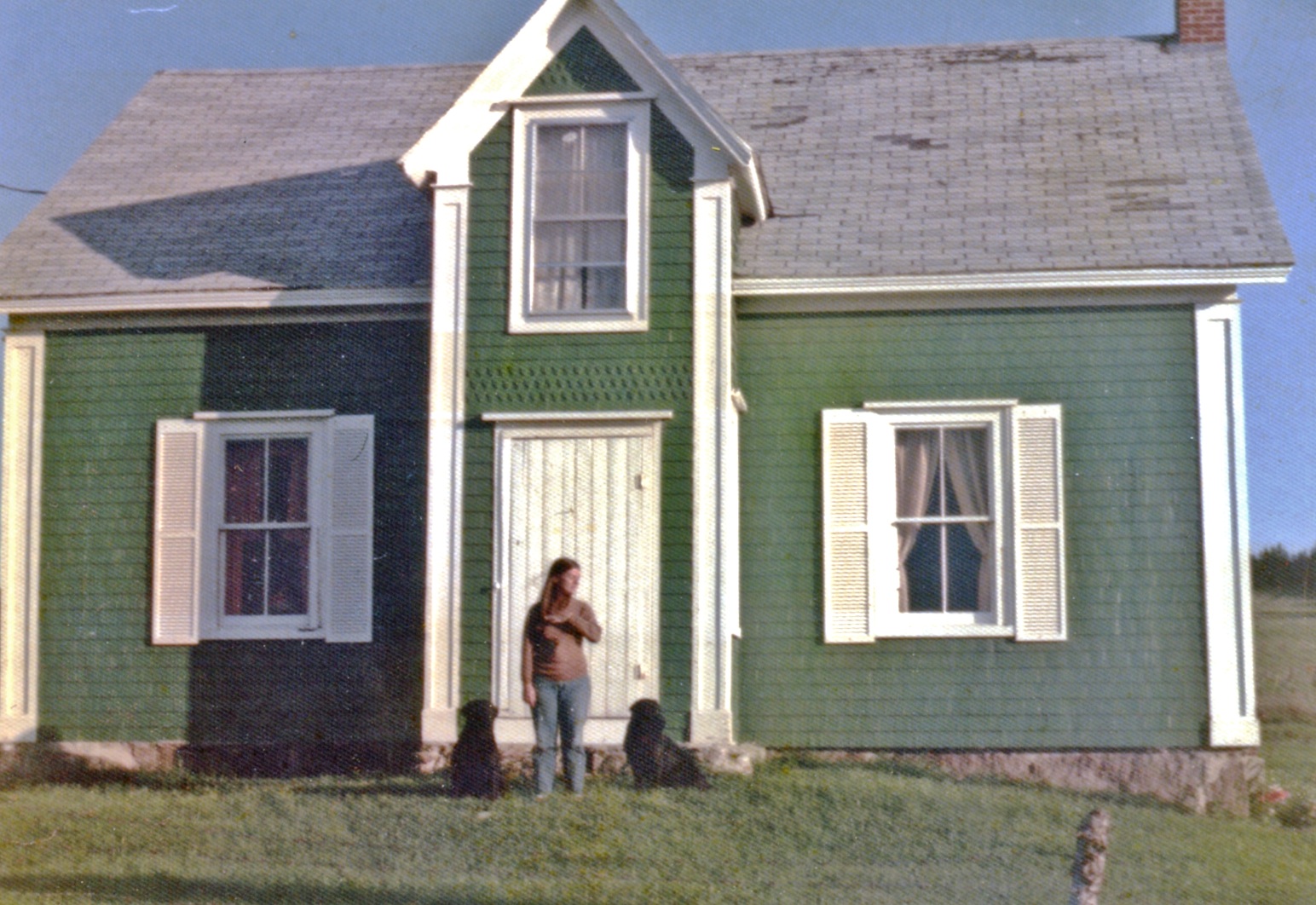
First Home when I purchased it in 1971

When I bought the house, it was in a sheep pasture and had not been lived in for years. The old chimney went quickly. We also tore out the insides down to walls and hand-hewn, pegged six by sixes that framed the house. It was a huge undertaking  Still after a year it looked a lot better, was insulated, had heat, hot water, a new kitchen and a shower

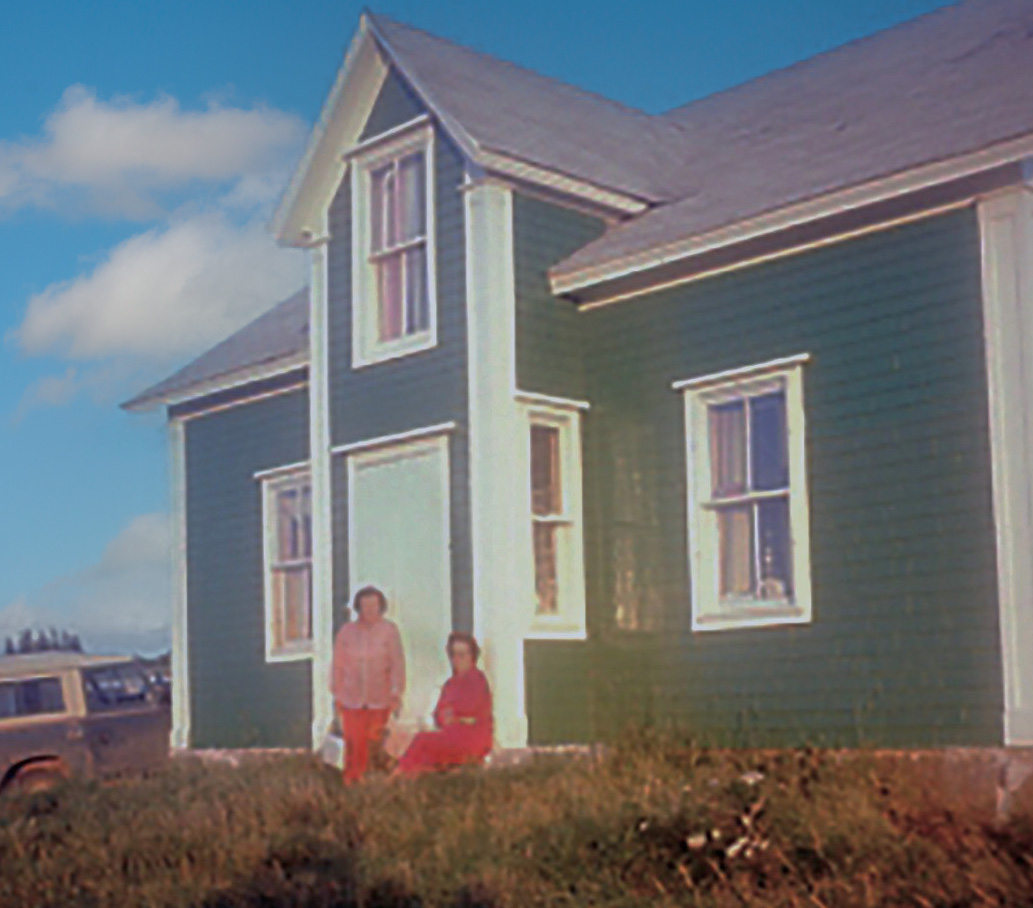
Even with all that work I am not sure it looked like someone was living there all the time. My mother and her sister came up and worked on the house during the summer of 1972  and stayed with us for a couple of weeks but most of their time was spent on canning and freezing produce from the garden.

My Mother and Her Sister Visiting in 1972

The next summer, I made a trip to Boston to help an old college roommate get married. Then I headed south and stopped in Washington, DC to spend a short time with another college friend that I enjoyed. From there I went home to Mount Airy, North Carolina.  My mother was always scheming to keep me at home a little longer. She arranged a blind date with Glenda, a young lady from UNC Greensboro.

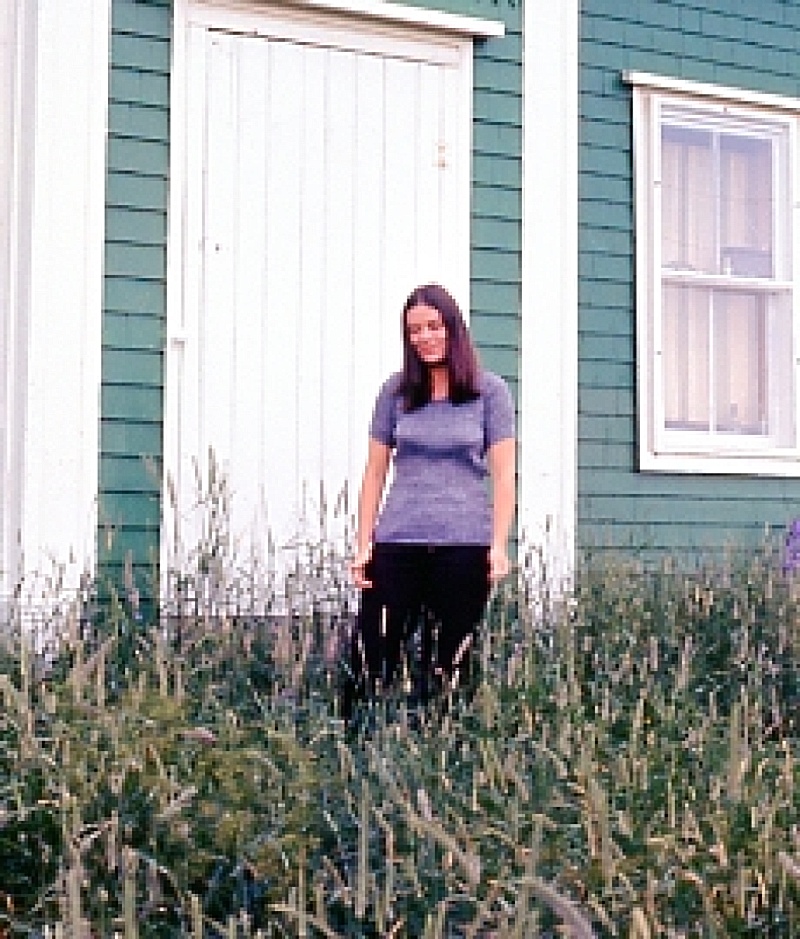
It was one of those love at first sight dates. I cooked Lobsters for our first dinner together. The next day we picnicked  on the Blue Ridge Parkway. When she headed back to her apartment in Greensboro, the plan was that she was going to drop me off at the airport on the way but few other than my mother would be surprised that we never stopped there. We spent a magical few days in her apartment.  About sixty days later after Glenda made a trip to Nova Scotia to check things out, we got married.  She wasn’t in Nova Scotia long before she started making our home look like someone was living there.

My wife, Glenda’s first flower bed in St. Croix Cove, Nova Scotia

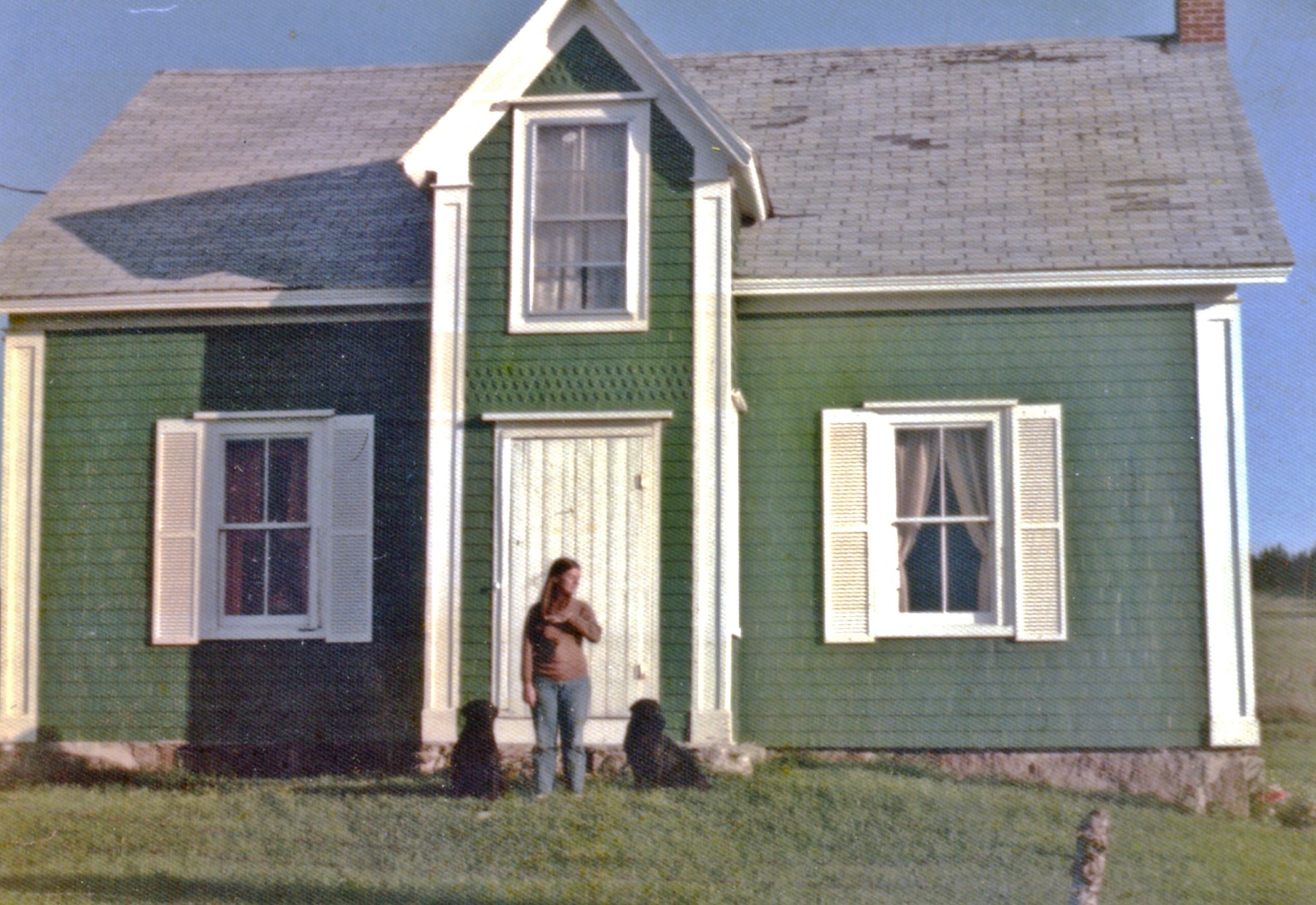
It didn’t take long for flowers to be added.  During my mother’s next trip, Glenda and my mother decided we needed a lawn mower which they got on a trip to town by themselves. In short order the yard look like a normal yard.

Our St. Croix Cove home after Glenda had tamed it and won the hearts of Tok and Fundy

We moved from the green house on the shore road in the fall of 1974.  We needed better farmland if we were going to be successful. It was less than a year before our next house looked like someone was living there.

Our Tay Creek Farm House the first summer there 1975

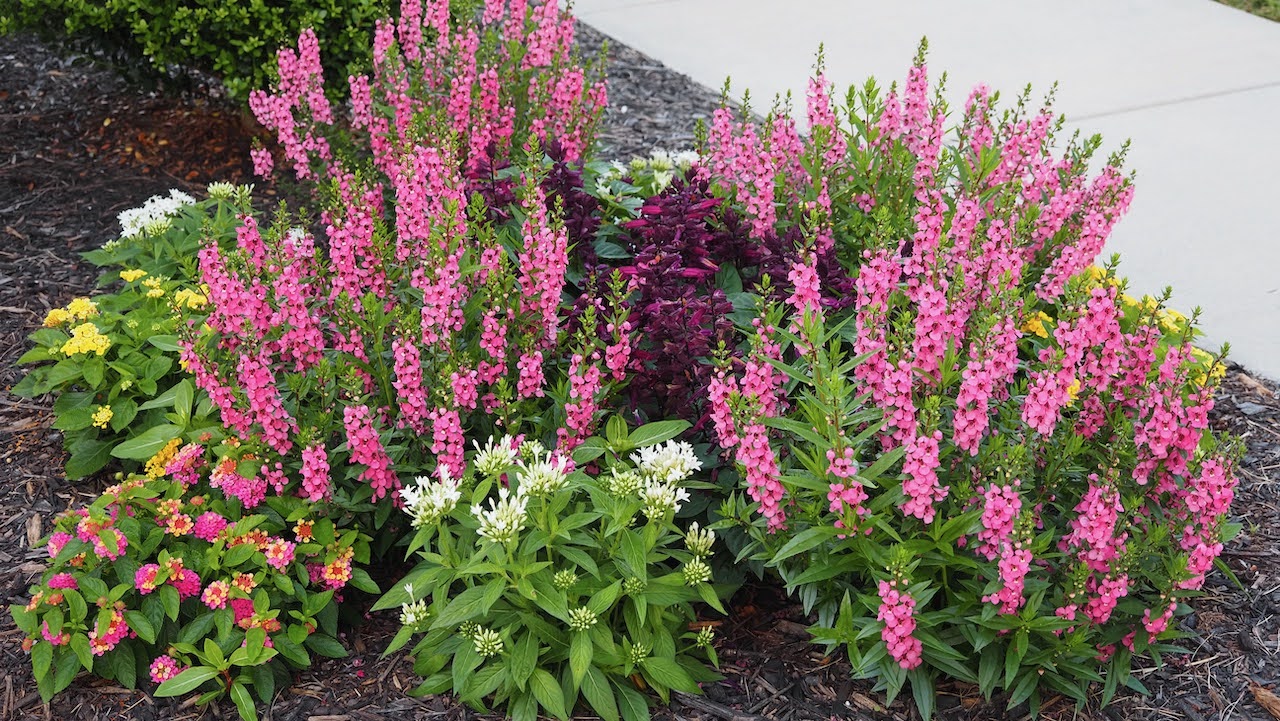
The picture above was taken in 1975, almost fifty years ago. If you stretch your imagination, you might come close to imagining how many flowers have been planted in the name of making our houses look like someone lives in them over those forty-nine years.  Last summer’s (2023) flowers are pictured below.

Summer of 2023’s front flower bed at our home in Mocksville, NC

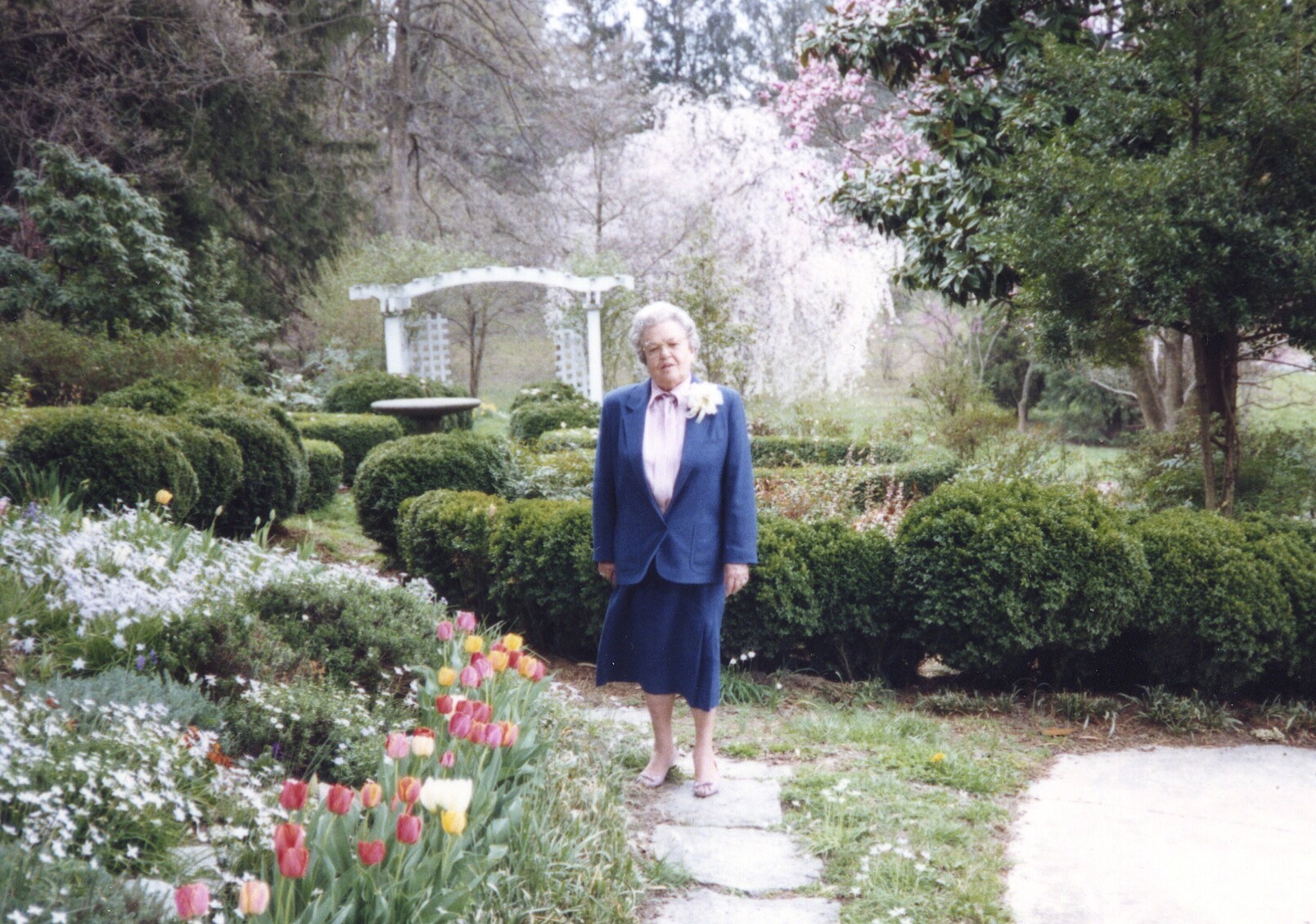
My mother was probably 84 years old when she had to give up planting flowers and tomatoes. For the next six years until mother moved in with us, Glenda would go down in the fall and plant a huge bed of pansies that my mother could watch grow from fall through spring. It was something that made mother smile. When we are in our eighties, I hope we have someone willing to add a little beauty to our lives when we can no longer plant it ourselves.

My Glenda amending the soil in Nova Scotia with some well-rotted chicken manure
My mother watering her azaleas in the seventies when she started renewing the gardens
Mother in the gardens in eighties
Mother’s azaleas just before she moved in 2004

Being Part of the World

Back in the not so good world of the fifties when we feared polio and practiced hiding under desks to keep us safe from nuclear war, connecting with the world wasn’t optional. There is a good chance you walked to school. It was likely played dodge ball or kick ball on the playground in the morning. After getting home, many of us headed to the woods to maintain our forts and dams. Then there was mowing yards and even some garden work at times. Digging worms certainly connected me to Mother Earth and to the wrath of my mother if I got too close to some of her flowers.

Weekends were often devoted to Boy Scouts and camping on a nearby by farm.  Our water came from an old hand pump.  We pitched tents and cooked over open fires.  We usually had an adult with us but in the early days when there only half a dozen of us, we often camped without one. No one feared the dark or worried about crazies with guns.  When we weren’t in the woods with other Scouts, we were sometimes chasing squirrels with rifles and shotguns. 

Fishing was a much more successful endeavor. It was not unusual for my mother to drop my best friend, Mike, and me at my some fishing ponds in the next county. She wasn’t an irresponsible mother, we were responsible kids who knew out to swim and take care of ourselves. I cannot even count the number of days we spent fishing without seeing another person before we were old enough to drive.  We did catch fish and we ate them.

We still lived in a world where there were more country stores than supermarkets. People had big gardens. When the weather got cold in the fall, some relative would always bring some fresh country sausage. In the summer mother would can tomatoes and beans and freeze corn.

As we got older I went away to military school and then to college.  I did not come back to stay for sixty years, but the connections to the natural world had already been made.

By the time I got to college, I was desperate to get back to the woods.  Even spending the summers camping and traveling to Alaska wasn’t enough.

So Maine it was during college and then Nova Scotia and eventually Newfoundland. There were float plane trips into the bush, rides on an ice breaker that got stuck in the ice, and wandering the woods where it was nearly impossible to know where you were without a map and compass.

While my love of the outdoors almost got derailed by the toxic work environment at Apple, I eventually escaped to North Carolina’s Crystal Coast which my oldest son claimed was barely clinging to civilization because we had no Chipotle.

There might have been a shortage of chain fast-food, but it was a place where a kayak or a skiff could take you to natural worlds that stretched your imagination.   Over time those placed healed my soul and helped me to reconnect with the world beyond our houses.

By 2017, I was walking 10,000 steps a day for a whole year which is equivalent to 69 marathons a year. I had piloted our skiff over 500 hours, paddled and biked endless miles. We managed to compost all our household waste and grow far more vegetables  than we could eat.

All that helped me recover from Apple and get the strength to complete the circle and move back home. It has been a successful trip home. We’re back to gardening and I still hike some.

However, I worry about the generations after us that never forged the link with the outside world.  They never camped and fished their way through childhood and even if they did, the screens and phones seduced them. We were immune. There is no meaning to be gained from screens.  There might be important words on the screen but if the words just lead you to another screen you have gained nothing but more screen time.

Yet if your hands have ever worked in dirt, even it they have been clean for a long time, the dirt will welcome them back and it won’t be long before the long suppressed memories guide the hands back to growing things. Those growing plants will remind you that you are just one of many living things that are all interconnected. If you can get to that point, you are on the right track to a worthwhile relationship with yourself and the world.