
Subscribe to continue reading
Subscribe to get access to the rest of this post and other subscriber-only content.

Subscribe to get access to the rest of this post and other subscriber-only content.
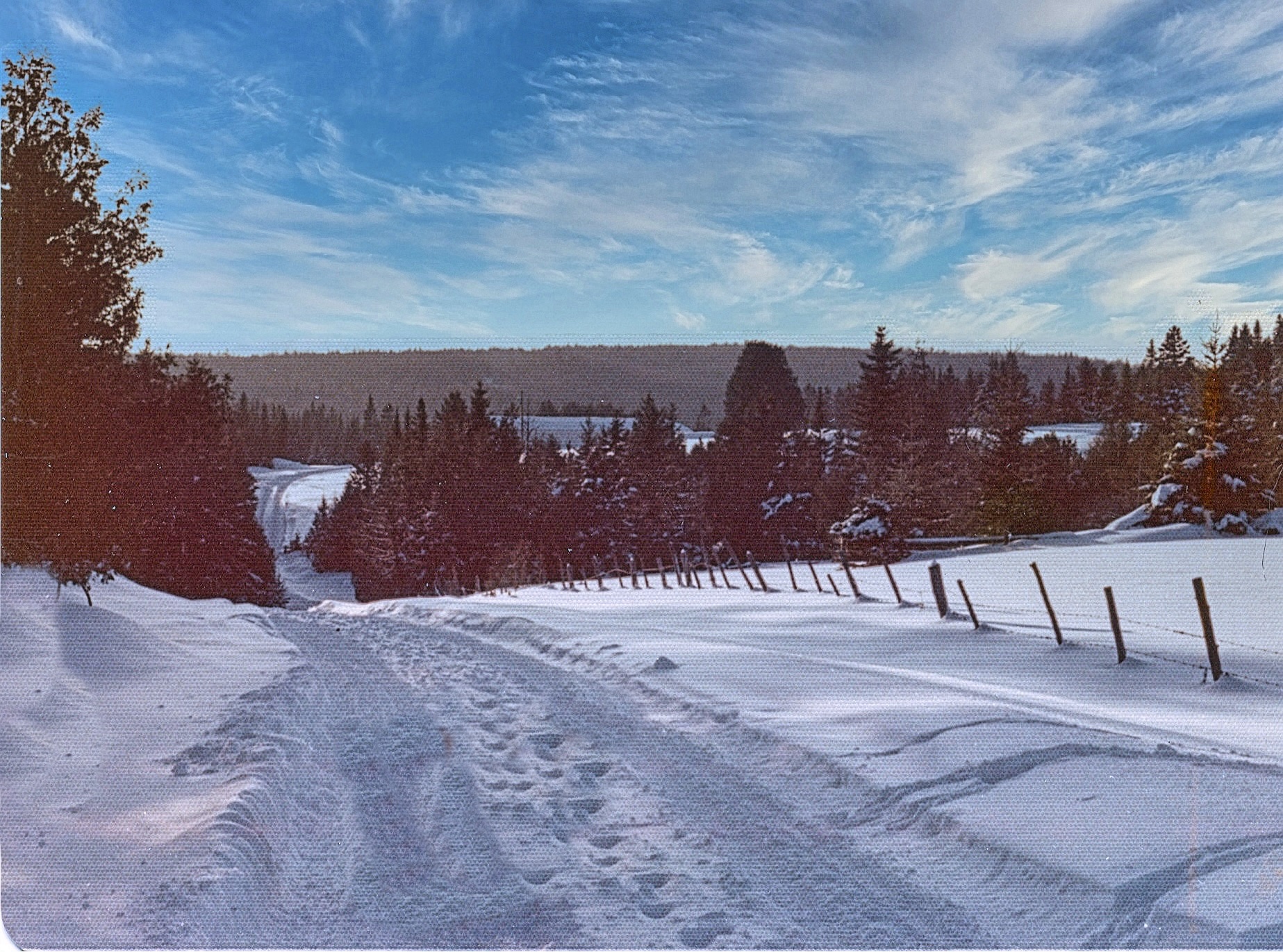
After I graduated from Harvard, I spent over a decade on the land. First, I was part of the early back to the land movement and then later as a cattleman with two hundred head of cattle before we sold them all in fall of 1982 after enduring 20% interest rates. It was a hard life with little room for error and no vacations but the rewards and lessons far outweighed the challenges.
My training other than my Boy Scout years involved wandering the woods shooting the odd squirrel as a teenager, fishing whenever I got a chance, lots of camping during college, and a summer traveling to Alaska in my Dodge Powerwagon. Studying colonial history during my college years had little value when I headed off the Nova Scotia and the old farmhouse on 140 acres overlooking the Bay of Fundy that I bought with my mother’s help.
Rebuilding the old two-hundred year old farm house was really where the training started. I grew up without a dad so I had no one to teach me many of the skills that I needed in 1971. It is surprising how much I could pick up from the free Sears Roebuck manuals on electrical wiring and plumbing. Carpentery I learned from friends who spent some time in Nova Scotia with me that first six months. Gardening and farming I learned from Roedale Press, Malabar Farm, Living the Good Life, Firefox, and the Whole Earth Catalog.
I learned how to do a Thanksgiving dinner when a handful of Harvard/Radcliffe graduates came to see the place that had captured my soul. It was the first turkey any of us had ever cooked but we managed even the careful negotiations on how much celery went in the stuffing. I had grown up knowing the basics of cooking since my single mother often worked late and if I wanted to eat, some knowledge of getting food on the table was essential.
Gardening while guided by the books but was heavily infludenced by having actual hands in the dirt. I was lucky the first old farm had some giant piles of ancient well-rotted chicken manure. The combination of great compost and Nova Scotia’s foggy shore was so good for growing broccoli, we often picked it in five gallon buckets. The cattle started with a few head on the Nova Scotia place, but I quickly figured out the Nova Scotia shore was a lousy place to raise cattle.
In the summer of 1973, I married a wonderful Southern lady who had grown up in the same area as me. Her mother was a part of the same growing, canning, and cooking environment that my mother had lived. By the fall of 1974, we had found our farm in the hardwood hills north of Fredericton, New Brunswick. There there was plenty of advice on how to farm. I incorporated some of those ideas with my own plans. By 1975 we were wintering our Angus herd in the woods and putting up our hay in round bales. My only help was the previous owner of the farm. He had farmed with horses and eventually a small tractor to help with the loose hay he put up annually. Even in his sixties he took to the world of big tractors like a duck to water. He also helped me build a couple of big barns, one 128 ft by 41 ft and the other 69 ft by 64 ft.
By the time the barns were done, we were putting up 200 to 300 tons of hay per year. I could build anything from kitchen cabinets with my radial arm saw to barns with a chain saw. I could use a welder and an acetelyene torch. I had survived working in over 100F temperatures to to feeding cattle in minus 40F a mile back from our farmhouse. In the dozen or so years we lived on the farm, I amassed enough stories to fill a lifetime. The experiences carried me through a coporate career and have defined my life.
My wife and I still have special friends from those years on the farm. Our lives were fundamentally different from those living off the grid today but many of the lessons we learned are the same being learned in Alaska. We heated with wood, supplied our house with running spring water, grew much of our own food including having a milk cow and chickens. The freezer was always full of beef and there was never a shortage of potatoes in the cellar or vegetables we had canned. We lived in a close-knit community where the men dug everyone’s graves and when the funeral was over, they went out and put their overalls on and gathered their shovels to fill the grave.
We battled as much as 23 feet of snow in one year. It was wild enough that we had no fences in the back of our farms. In the early years snowshoeing on six feet of snow was common. I know what it means to grow animals which you end up eating. My wife’s first lesson in local food was walking into our Nova Scotia kitchen early one morning and seeing a freshly dressed lamb that I had hung from the top of a door frame so I could cut it up. We sometimes ate salmon that the local tribles sold door to door. There were even a few meals of wild native brook trout. In the spring we gathered fiddlehead greens from the marshes. Before our cattle herd got so large we could often pick chantrelle mushroom from the edge of the forest. They were a staple when we lived in Nova Scotia.
The challenges that we faced on the edge of civilization made us stronger people. Living in Halifax, Nova Scotia, Columbia, Maryland, Roanoke, Virginia, and Cape Carteret, North Carolina ground any rough edges off of us and helped us give our three children, all born on the farm, a good start in life. Even at 77 years old, I still garden and I love the feel of rich dirt in my hands.
I have no regrets about the years that I spent living on the land.
Love can make a difference
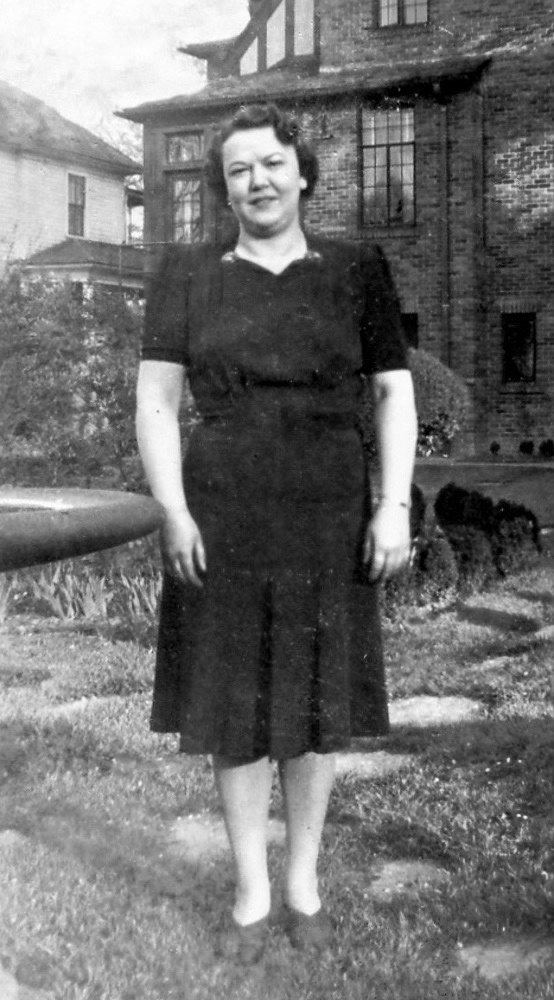
My mother who grew up as Susie Blanche Styers was part of family that had lived in and around the hills north and west of Winston-Salem since the Revolutionary War. Our first ancestor in the area is recorded on the 1790 census and is buried with his wife forty-five minutes away from our current home.
Mother’s grandfather Abe Styers ran Styers ferry which crossed the Yadkin River from Yadkin County to Forsyth County. Forsyth County, the home of Winston-Salem, was destined to be a county that pulled itself into the manufacturing boom of the second half of the twentieth century. Yadkin County would remain solidly agricultural.
Mother was born on a mill pond in the heart of Yadkin County in 1910. It was a time before electricity and when horse drawn buggies were more likely to be found on the dirt roads than those new Model T Fords. Her mother, Sallie Shore Styers, died in the 1919 flu epidemic. By the time my mother was nine years old she was cooking for the family of eight.
That presented some challenges since she was too small to lift the heavy cast iron pan used to bake biscuits each morning from the flour mixed up weekly by one her older female relatives. Fortunately, her older brother Henry would help her with the pan after he had taken care of bringing the wood inside and starting a fire in the stove.
While life around a millpond in the early part of the twentieth century might sound idyllic, it was actually a lot of hard work, and a life that didn’t leave a lot of time for play. While Walter, mother’s father, was a miller, most of the rest of the food for the large family with six children had to be grown and preserved on the spot.
There was no yard to mow, just some bare ground to sweep around the house with homemade brooms made from the readily available broom straw. Preserving food for winter was a skill mother and her sisters never lost.
The stories of watching men cut blocks of ice from the pond during the winter and haul the loads of ice with teams of horses to their sawdust insulated ice house in the ground seem hard to believe in our warming world. Yet life was very different then. They kept their milk and butter cooled in a spring house which was little more that a small building with a roof set on top of a spring flowing out of the ground.
Mother had places to go and things to do in her life so it didn’t take much time with her new stepmother before she left home as a teenager for the big city of Mount Airy, NC. Eventually she got a license as a beautician and had her own shop on Main Street. She even claimed to have spanked Andy Griffith when he was misbehaving in her shop while she did his mother’s hair.
When she was in her nineties, she used to joke that she had walked by Snappy Lunch for most of her long life and never tasted one of their pork chop sandwiches. We bought her one, and she declared that she had not missed much.
While mother made it out of Yadkin County, her sisters never did. With the determination that only a true southern matriarch demonstrates, she was determined that her nieces and nephews would have a taste of life beyond the red dirt fields of Yadkin County. She was the only one of the sisters to learn how to drive as a teenager.
I’ve been told many times by cousins that they never would have enjoyed much of a Christmas without my mother. She was famous for braving the muddy roads to get back to her sister Mollie’s house. I remember her stories of getting stuck and having to knock on the door of a farmer’s house to be pulled out.
Goose and I just sent out a new newsletter, Goose Speaks: Memories of Love, Black Friday 2024. It has more about my mother. You don’t have to subscribe to read it, and there is a free subscription that will get most of the posts.
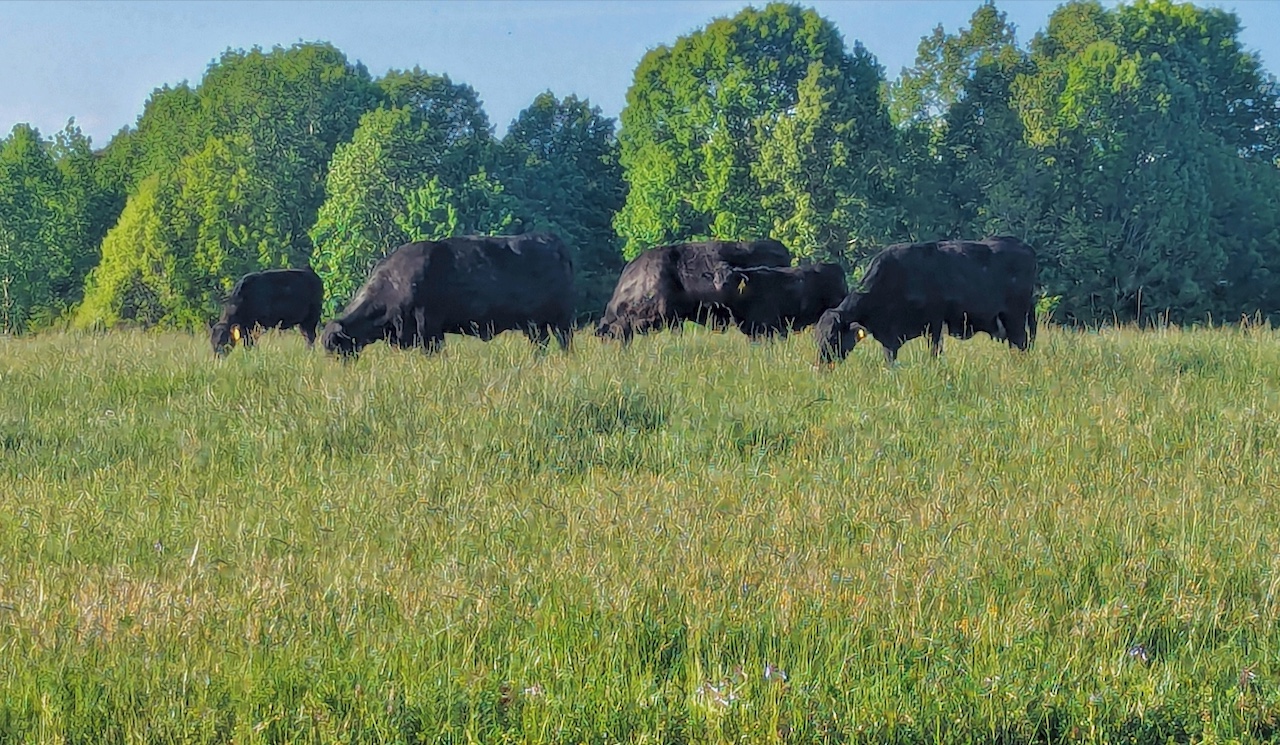
Back in the not so good world of the fifties when we feared polio and practiced hiding under desks to keep us safe from nuclear war, connecting with the world wasn’t optional. There is a good chance you walked to school. It was likely played dodge ball or kick ball on the playground in the morning. After getting home, many of us headed to the woods to maintain our forts and dams. Then there was mowing yards and even some garden work at times. Digging worms certainly connected me to Mother Earth and to the wrath of my mother if I got too close to some of her flowers.
Weekends were often devoted to Boy Scouts and camping on a nearby by farm. Our water came from an old hand pump. We pitched tents and cooked over open fires. We usually had an adult with us but in the early days when there only half a dozen of us, we often camped without one. No one feared the dark or worried about crazies with guns. When we weren’t in the woods with other Scouts, we were sometimes chasing squirrels with rifles and shotguns.
Fishing was a much more successful endeavor. It was not unusual for my mother to drop my best friend, Mike, and me at my some fishing ponds in the next county. She wasn’t an irresponsible mother, we were responsible kids who knew out to swim and take care of ourselves. I cannot even count the number of days we spent fishing without seeing another person before we were old enough to drive. We did catch fish and we ate them.
We still lived in a world where there were more country stores than supermarkets. People had big gardens. When the weather got cold in the fall, some relative would always bring some fresh country sausage. In the summer mother would can tomatoes and beans and freeze corn.
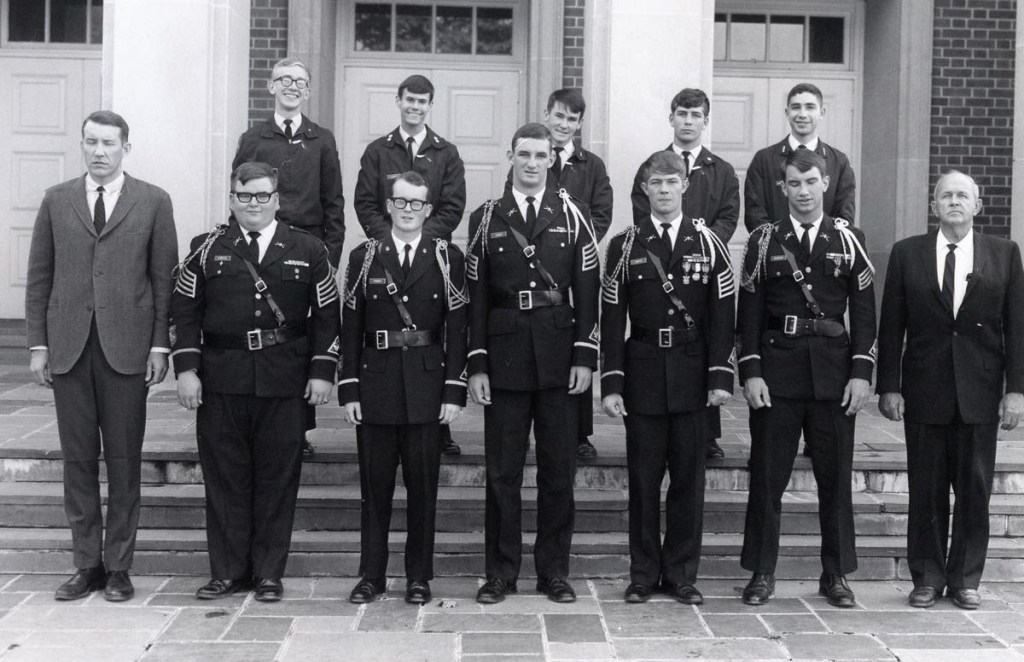
As we got older I went away to military school and then to college. I did not come back to stay for sixty years, but the connections to the natural world had already been made.
By the time I got to college, I was desperate to get back to the woods. Even spending the summers camping and traveling to Alaska wasn’t enough.
So Maine it was during college and then Nova Scotia and eventually Newfoundland. There were float plane trips into the bush, rides on an ice breaker that got stuck in the ice, and wandering the woods where it was nearly impossible to know where you were without a map and compass.
While my love of the outdoors almost got derailed by the toxic work environment at Apple, I eventually escaped to North Carolina’s Crystal Coast which my oldest son claimed was barely clinging to civilization because we had no Chipotle.

There might have been a shortage of chain fast-food, but it was a place where a kayak or a skiff could take you to natural worlds that stretched your imagination. Over time those placed healed my soul and helped me to reconnect with the world beyond our houses.
By 2017, I was walking 10,000 steps a day for a whole year which is equivalent to 69 marathons a year. I had piloted our skiff over 500 hours, paddled and biked endless miles. We managed to compost all our household waste and grow far more vegetables than we could eat.
All that helped me recover from Apple and get the strength to complete the circle and move back home. It has been a successful trip home. We’re back to gardening and I still hike some.
However, I worry about the generations after us that never forged the link with the outside world. They never camped and fished their way through childhood and even if they did, the screens and phones seduced them. We were immune. There is no meaning to be gained from screens. There might be important words on the screen but if the words just lead you to another screen you have gained nothing but more screen time.
Yet if your hands have ever worked in dirt, even it they have been clean for a long time, the dirt will welcome them back and it won’t be long before the long suppressed memories guide the hands back to growing things. Those growing plants will remind you that you are just one of many living things that are all interconnected. If you can get to that point, you are on the right track to a worthwhile relationship with yourself and the world.
 Our technological infirmity