Food, Post Pandemic

A feast that did not take a lot of cooking

It has been years since I spent significant time in the big cities so I cannot vouch for the state of restaurants outside the rural world of North Carolina’s Piedmont. We have some good restaurants here, but with few exceptions, most can be faulted on something, service, price, or even the quality of the food.

Like many families since the pandemic, we have cut back our in-restaurant eating drastically. We have been disappointed so many times that we often choose to not go back.

Our home-cooked meals have for the last few decades been exceptional. We were fortunate enough to eat wonderful fish like red drum and flounder fresh from the waters of the White Oak River where we lived from 2006-2021. The fish I caught was often supplemented with vegetables from our own garden.

We know what good food is. We understand what it looks like and how it tastes. 

For a decade we had a cattle farm and raised most of our own food. Our kids grew up on unpasteurized Guernsey milk that I got from Rosie, our cow, every morning. Our freezer was full of beef. We had our own chickens which provided us with eggs even when they had only snow for their water.

We had wild red raspberries that grew along the rock piles by our fields. There were plenty of blueberries to be had in the fall and a wonderful strawberry u-pick near us. There were still a few wild strawberries around in those days. We harvested Chantelle mushrooms from our woods and fiddlehead greens from our marshes.  My wife made butter, yogurt, and lots of homemade oatmeal bread.

Times have changed, we left our farm in 1984. We are a lot older but we still love good food. We still garden but it is only supplemental to what we buy from farmers, farmers’ markets and grocery stores. We also have relatives that garden. In  2024, I grew enough tomatoes to sell a few pounds, pay for seeds/plants and still have plenty to enjoy and share with friends.

We have all the tools we need to cook well from a sous vide stick to a gas grill, a wood pellet smoker, an Instapot, and an induction stove.  The challenge is that the older you get, the less time you want to spend cooking and cleaning up. If you don’t like to cook and are not excited by going out, you have to get creative.

We use our cooking energy sparingly, often working to cook something that will last a few days. If I smoke something, we might eat off it for four or five days or until it ends up in the soup pot. A pot of beans or crowder peas will last at least as long. When I bake sourdough bread which I have been doing for over fifty years, it is usually three or four pounds of bread. We always freeze most of what I bake.

Even so there comes a time when the spirit to cook needs a rest. We have learned very little take out food even the good stuff travels well. Pizza needs to come from a place as close as possible, certainly not more than ten minutes away and it is still just pizza. Burgers are better eaten in the parking lot.

Chinese and Mexican food just don’t travel well. Even rotisserie chicken is a gamble and often too salty. The one food we have found that travels well is barbecue or smoked meat. We are lucky to live in the North Carolina where the real wood smoked stuff is plentiful.

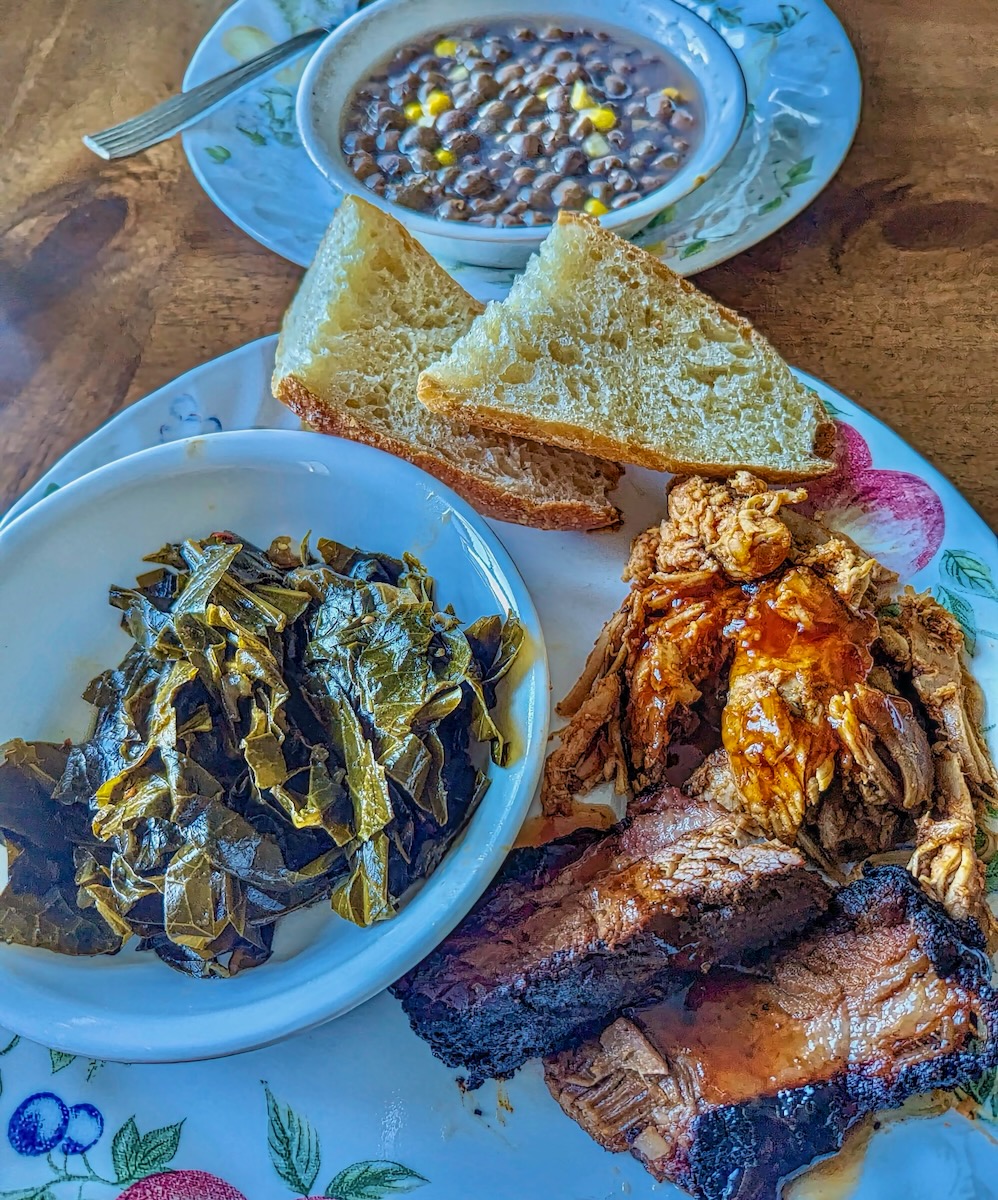
A recent meal had crowder peas that were given to us by relatives and cooked by my wife. The brisket and smoked-pulled chicken, and collards came from Honky Tonk Smokehouse in Winston-Salem, NC. Honky Tonk is one of the hidden gems in the Triad area. The baguette was from Camino Bakery in Winston-Salem. It was a delicious takeout meal supplemented by some of our cooking and bread from a good local bakery. It is the way we have learned to give ourselves a cooking break post pandemic – find something that travels well and build a meal around it.

The Early Years

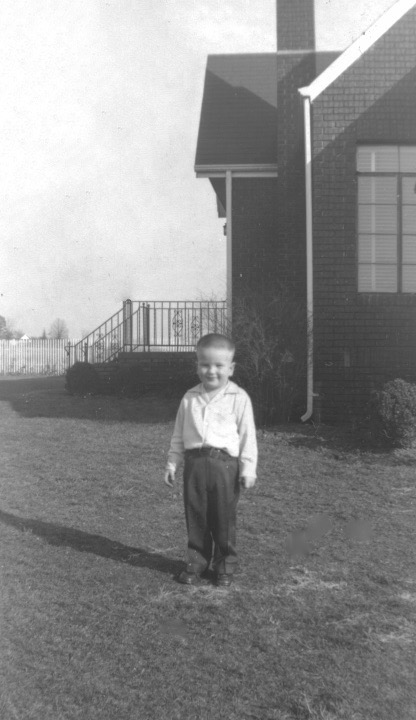
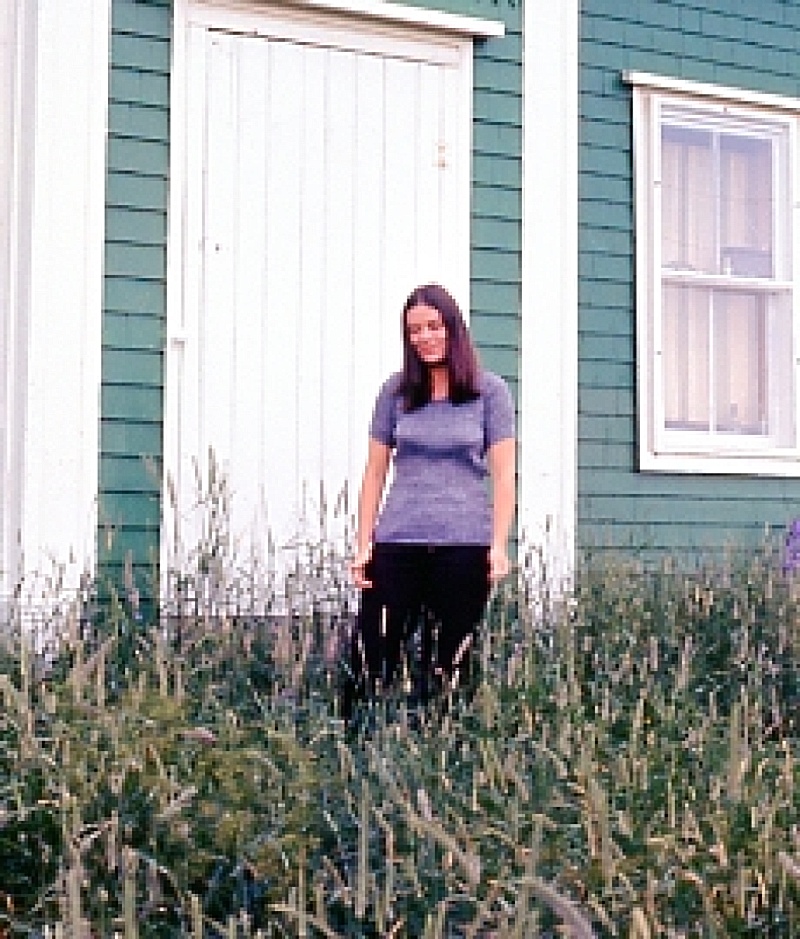
Me at my Aunt Mollie’s House in Yadkin County

Sometimes I think my life is a little like a Rubik’s Cube puzzle which I have been trying to solve for as long as I can remember.  There are times when the puzzle pieces have been close to alignment.  Other times, especially in the early day, the puzzle has almost felt like it was broken.  Throughout the journey, there have been lessons learned, some opportunities seized, and more than a few missed.
Some of my first memories are of the home in Yadkin County where my mother and I lived until I was three years old. For some reason, never explained to me, my mother and father chose not to marry so mother and I lived in a home that my father and mother had helped my Aunt Mollie and Uncle Austin build.  It was a cozy red brick two-story home set on a plot of land in the middle of corn fields at a cross roads that came to be known for the junk my Uncle Austin collected.
That I was well protected in my early years is safe to say.  In a sense I had three older sisters, daughters of Aunt Molly, who watched over me when they were not driving school buses or chasing boys.
One of the earliest things that I can remember is taking apart a door lock in that home.  I cannot say whether or not I got in trouble, but I distinctly remember the pieces of the lock in my hands.
While I did not grow up to be a locksmith, I am proud that I learn how to use a wide range tools including a welder and an acetylene torch.  The ability to work with my hands has served me well, and I suspect there is some significance in finding tools in my hands while living with my Uncle Austin who was a genius with his hands.  He was one of those men who could build something out of nothing.  A junkyard was like a shopping center for him.
Finding that kind self reliance in Yadkin County, North Carolina just a couple of miles from where my mother grew up on a small mill pond comes as no surprise.  The rural south of the fifties was a place where making something yourself replaced many of the things for which there was no money even if you could find it. Sears Roebuck was as good as it got.
It was a place where people milked cows, had chickens, and grew huge vegetable gardens.  The produce from the gardens was canned and frozen in staggering quantities.   Each fall when the weather cooled, hogs were killed, sausage was made, and hams were sugar cured for later use.
While Yadkin County was a protective cocoon for me, it had been a straight jacket for my mother, Blanche. Her mother died when she was eight, and as the eldest daughter she was cooking for the family well before she could even lift a heavy frying pan.
She attended the one room school within walking distance of the mill pond where they lived, but she never graduated.  After her father remarried, there were sparks between her and the step mother who quickly became afraid to tangle with my mother, Blanche.
Blanche, who was destined to be the matriarch of our family, left home in her teens and went to live in Mount Airy over twenty rutted miles away.
In a certain sense it was my mother’s determination that pulled the whole family out of the red clay of Yadkin County.  She brought clothes, toys, and whatever was needed from the big city of Mount Airy to her sister’s family who managed to live near the location of the old mill pond their whole lives.
That rural North Carolina of my youth was a place where Sunday afternoons in the summer were spent under shade trees eating homemade ice cream, peach when it was in season, and watermelon.
Even after we moved to Styers St. in Lewisville just across the Yadkin River, we came back to my Aunt Mollie’s almost every Sunday.  In a way it became the home place, because the real home place on the mill pond had burned down many years earlier.  Walter, my grandfather and a miller, had moved away from the mill pond and started a small dairy on the main road when he remarried.
While I was an only child, my Aunt Mollie had six children including one daughter Sue, who was as close to a me as a real sister could be. I was only a year older than her.  Sunday under the shade trees was a time when we kids ran and played in the yard.  Family news was passed from one to another, and I am sure more than a few problems were discussed by the adults.
It was a time when children were sheltered.  When someone became pregnant, code words came out.  She was labeled PG, but as children often do, we figured it out. I can only remember a couple of exciting Sunday afternoons.  One Sunday a pressure cooker that was being used improperly exploded and sent its lid through the ceiling of the kitchen and left beans everywhere.  I also remember my Aunt Mollie cutting the head off a chicken and the headless chicken running around the yard.  I guess we were easily entertained.
In those days, there was no television to watch.  The teenagers listened to records, and the rest of us played games outside.
Our move to Lewisville was a move of independence.  Blanche, my mother, was determined to raise me as a single mother.  Our home in the village of Lewisville contained a small beauty shop where she worked long hours to support us.  My father, John, a furniture manufacturer, would visit once in a while on Saturdays, but it was years before I figured out that he was my real father.
Lewisville was a great place to be a kid in the fifties.  We had a general store that was within walking distance.  It had a cooler of small sodas that were ten cents each when we moved.  I think it was my first experience with inflation.  Living in the country we had been next to RK Brown’s General Store where sodas were only a nickel.
The great attraction of Lewisville for me happened to be the fields and woods that bordered our home.  It was a wonderful playground for a youngster.  We built forts in the fields, dammed small streams, and became experts with BB guns and eventually pellet guns.  There were some fishing ponds within biking distance, and even church and school were within walking distance.
At a very early age I became a fisherman for life.  Maybe it was that first catfish my Uncle Henry put on my line when I was barely able to hold a rod.  I managed to make fishing a big part of my youth.  It was a good life with backyard football seamlessly becoming backyard baseball as the seasons turned.  In the summers we played until dark and then wandered home.  No one seemed to worry about us even when we were running behind the mosquito spray truck on our oiled dirt road.

The Heat of Summer

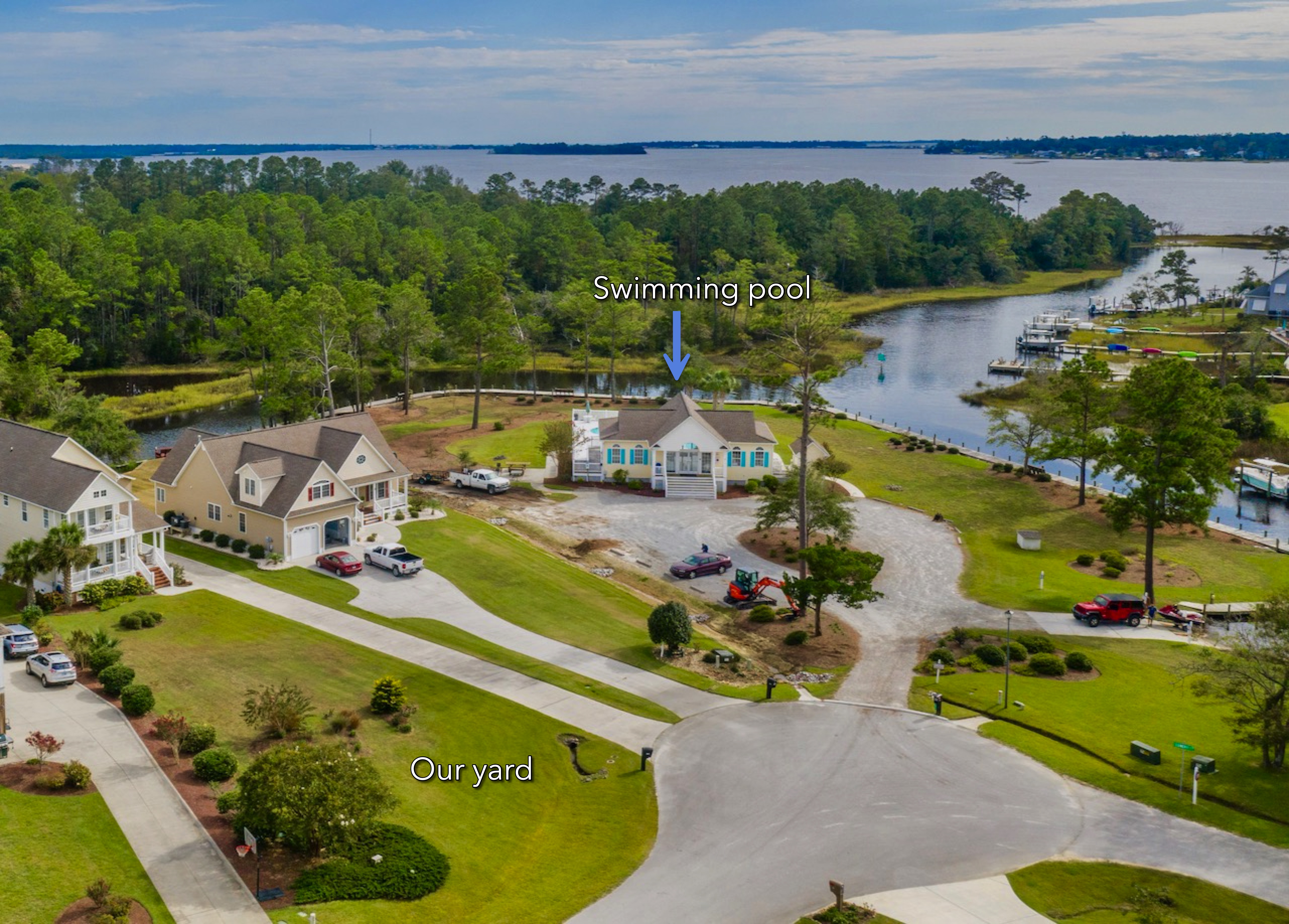
Our former home just off the White Oak River, near Swansboro, NC

Some of you who aren’t used to heat will likely get a taste of it this summer. From 2006, until 2021, we lived on the North Carolina coast where heat is part of the life. Our house and large yard are pictured. Except for the last three years, I did all the mowing and trimming. Until like many grasses, the centipede we had thrives eat and can come close to needing to be mowed more than once a week. Any Bermuda grass absolutely needs more than weekly mowing. We had a nice patch of Bermuda in the middle of our yard.
Fortunately, heat has been part of my life for many years. There are few things we learned to do before we had air conditioning. Also the way we work has changed a little since the proliferation of heat pumps.
I grew in the South in the fifties. We did not get our first single room air conditioner until I was about ten years old. It cooled our living room and kitchen and that was about it. Still it was a miracle because it gave you a cool oasis where you could seek refuge on the hottest days. My bedroom was too far away to get any benefit so on really hot nights I would sneak into the living room and sleep on the sofa.
Heat was part of your life back then, shade trees were to be treasured and the deep dark woods were our friends during the day in summer. At night it was cool enough to play capture the flag in our yards.
The first thing you learn about heat when you grow up is that for outside work, you have to work early or late and find something else to do from noon to four or five pm.
When we moved back from Nova Scotia to the states in the late eighties, we spent our first two years in Maryland. I didn’t work outside much but I wore a suit everyday. It was a dash from the air-conditioned car to a similarly air-conditioned building. I could hardly wait to get home and switch to shorts.
By the time we got to our mountainside in SW Virginia, I was used to heat and I went back to mowing our yard. Seventeen years in Virginia was not enough serious heat training for our move to coastal North Carolina.
We lived on a coastal river in Carteret County which is mostly water. Heat did not come early to Carteret County because it took a while for all the water to warm up. When the real heat arrived in late June or July, it was serious heat. I did a lot of boating, hiking, and kayaking and I learned never to be far from a bottle of water. Sometimes I would freeze a bottle and carry in my kayaking tackle pack. It was a lifesaver a number of times.
The biggest challenge was mowing a big yard like ours in the heat. The best planned days sometimes get offtrack, and you end up mowing when you should be cooling in the air conditioning. There are things I learned in coastal North Carolina that are of value anywhere you have to face heat.
Our garage which had a good cross breeze when the back door was open was what I called a transition zone. It is never a good idea to charge out from a chilled house directly into 85F heat and start pushing a lawn mower. I alway puttered around in the garage until my body started getting accustomed to the heat. Then I would put my straw hat on and start mowing. You are always better pacing yourself than racing with yourself. When I felt myself getting really hot – the kind of hot that sends the message – “Well you’ve done it, this is nearly as hot as your body can get without shutting down,” I would head back to our porch or garage and request some ice water. I would always drink my water outside in the shade or in the garage but not in the sunshine. Real heat means that you have sweated so much your clothes are damp if not wet. Going inside and getting chilled in air conditions just makes it harder to finish your job.
Once you’re done, you cool off outside in shade but still in the heat. When you’re not longer about to incinerate, head inside to the shower.
On the NC coast the water lines are so shallow that in the summer, cold water is pretty warm. I could tell it was the peak of summer when I could shower without any hot water.
They say take off clothes to stay cool, but on the Carolina coast, our uniform ten months out of the year was shorts and t-shirts. I wore shorts mowing but pulled on some leg protectors when I switched over to weed eating.
There were times in early summer when I would take a quick shower, switch to bathing suit and head to pool. Until mid-July the pool water would be cool enough in the mornings to feel good.
By the end of July or early August, the outdoor swimming pools offered no cooling and were often empty. I have even heard of people dumping bags of ice in a pool in an attempt to cool it. I always figured it would take a chunk of an iceberg to really make a difference.
Most of the summer, you could count on the ocean retaining its cooling power. I used to joke that the one sure way to get the heat to drain out of your body was to head to ocean, get about waist-deep in the water, then turn around and face the shore while a wave hits you between the shoulder blades. Usually that will do the trick. Of course in the summer time by July, you should plan on wearing something on your feet to get across what can become very hot sand. Even with it only being ten minutes to the beach, it was easier to find an easy chair under a fan and relax after a shower.
The only good thing about heat at the coast is that remnants of it make for a very pleasant fall. I have many memories of kayaking in November and even December when the air was cool but the water kept you warm. Aside from the odd dangerous hurricane, fall is the best time to go to the beach.

Love Where You Are Planted

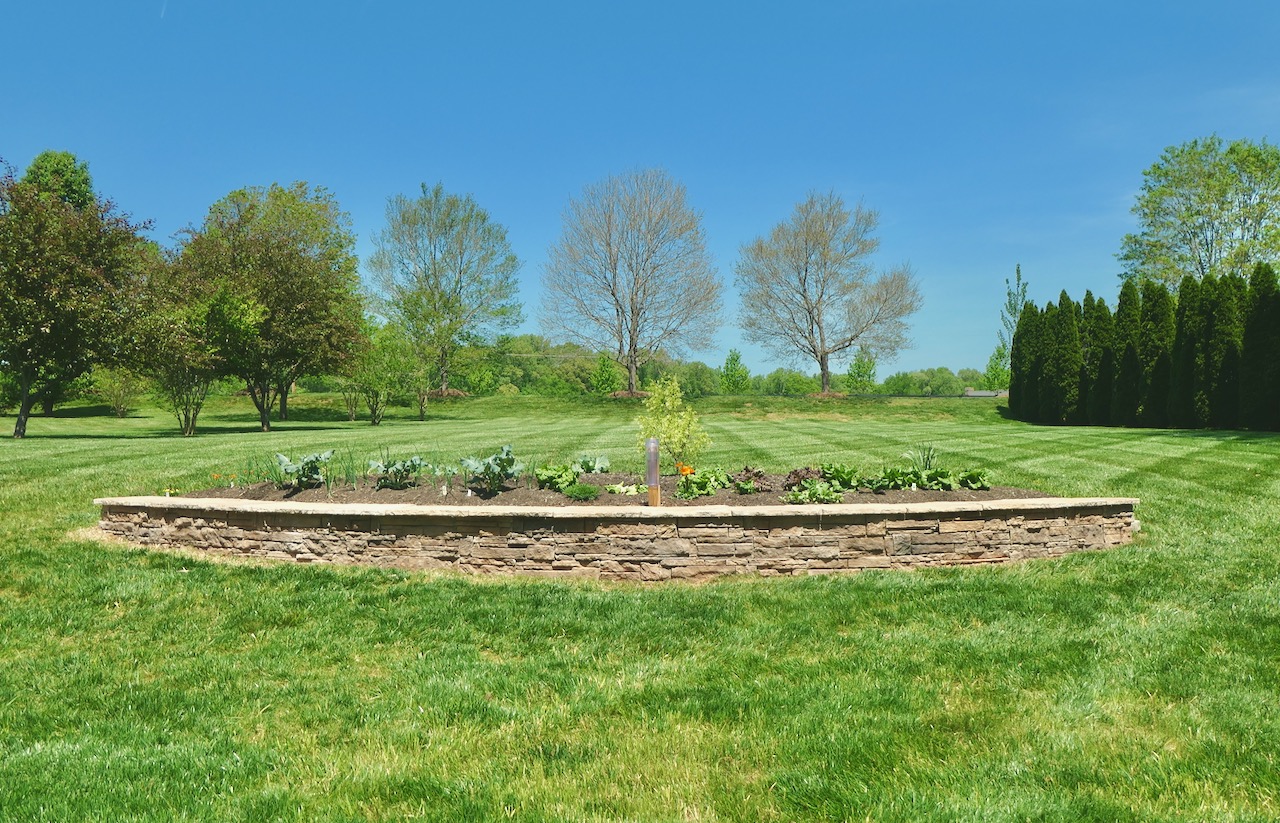
Our Backyard Garden

I got sent off to boarding school at the ripe old age of fourteen. It was six hours from home and was a military school. I was pretty miserable for a few months. Then it dawned on me that there will be times in your life that you will have little control of where you are. What you can control is how you choose to react to the situation and your location.
Four years later when I got in my car and drove the twelve hours by myself to Harvard in Cambridge, Massachusetts, I was determined to make the best of it. I had never been there, but I planned to push my limits.
As a married adult, I have lived in eight different homes in two provinces and three states. At least one was a little insular but we managed to find good people in all places.
From 2006 until 2021, we had a home on the North Carolina coast. It was on the water and had stunning views. I am a photographer so I was in paradise with all the water and big birds. I had a wonderful time. When we got ready to move, our friends started asking what beauty could we possibly find to compare all the scenery at the coast.
I simply smiled and said I am confident that there will be lots of things to capture with my cameras. That has turned out to be the cast.
When you have lived in a lot of places, you probably figure out quickly that there are no perfect places for those us not in the ranks of the super rich. We bought our current house during the pandemic-fueled housing boom. We are very pleased that it has turned out even better than we expected.
While I don’t have great egrets, great blue herons and otters at my beck and call, I do have beautiful forest and fields that remind me of where I grew up.
That is no real surprise because we moved back to the area near where my mother’s family settled in 1790. When I was wandering the hills and forests of the area in the fifties, I was living on Styers Street not far from Styers Ferry Road which happened to be named for my great grandfather who ran a ferry across the Yadkin River. So this is home, but it is more than that.
This is one of few rural areas in North Carolina where you have modern services and are within a few minutes of about everything that your consumer heart can imagine. On top of that we are blessed with farmers’ markets all through the summer.
After years of tolerating faux beach grass, we are now living where our yards don’t feel squishy when you step in them. We have a real backyard that is unlikely to ever flood. It is big enough for us to have a small garden.
Settling into an area which was not far from where I grew up is one of the most pleasant moves that I have ever made. I am just a few minutes from one of my grade school fishing buddies.
I laugh when some of my northern friends talk about North Carolina’s humidity. The thing is when we moved from the coast to the Piedmont, we took a serious step down in humidity. Summer humidity is very real across the South, but there are degrees of it and the marshes along the coast can feel like you’re being swallowed by the humidity.
Here in the Piedmont there is fall and spring. If you have ever lived on the coast, you know that both fall and spring are very subtle. Here in the Piedmont they are a riot of colors.
I wonder if I have enough time left to try living in the desert?

Mowing Your Way Through Life

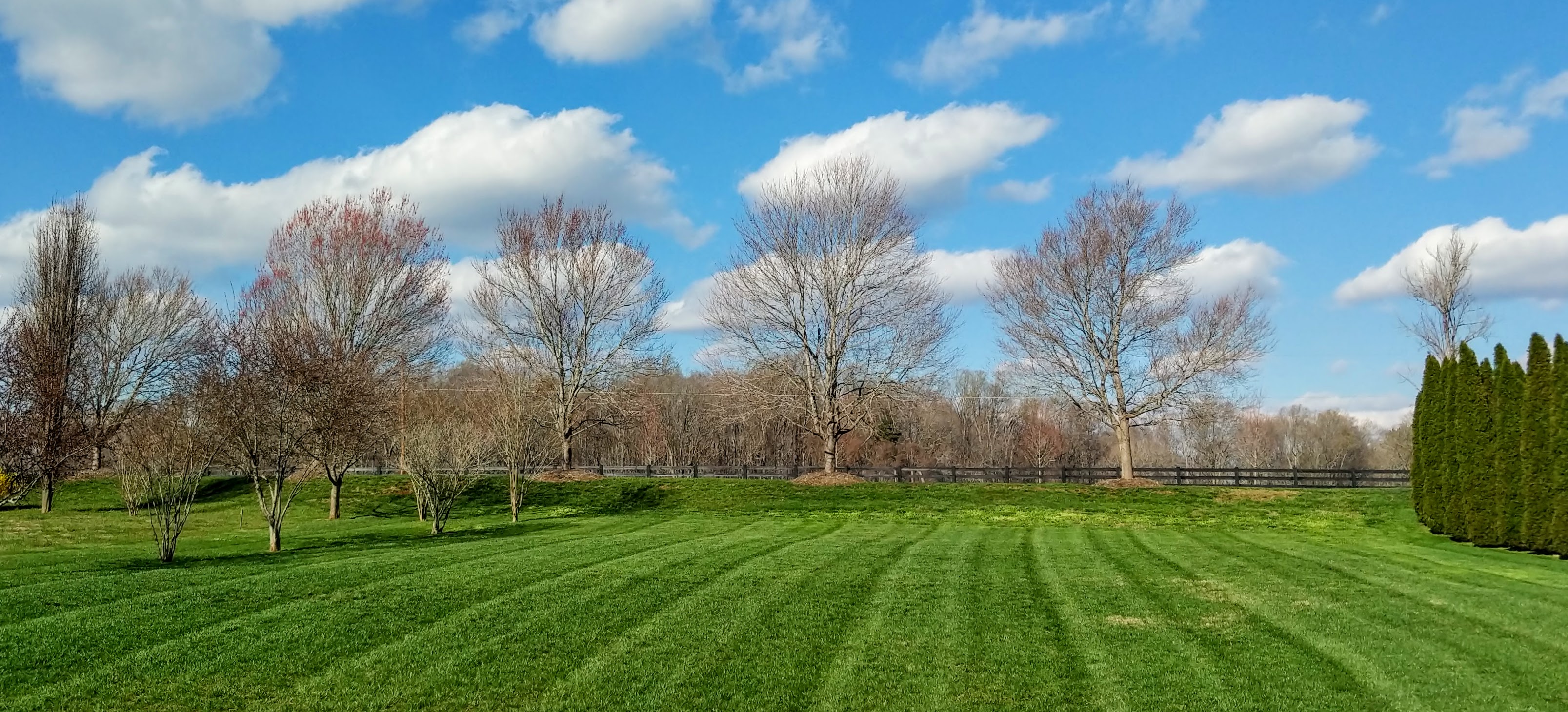
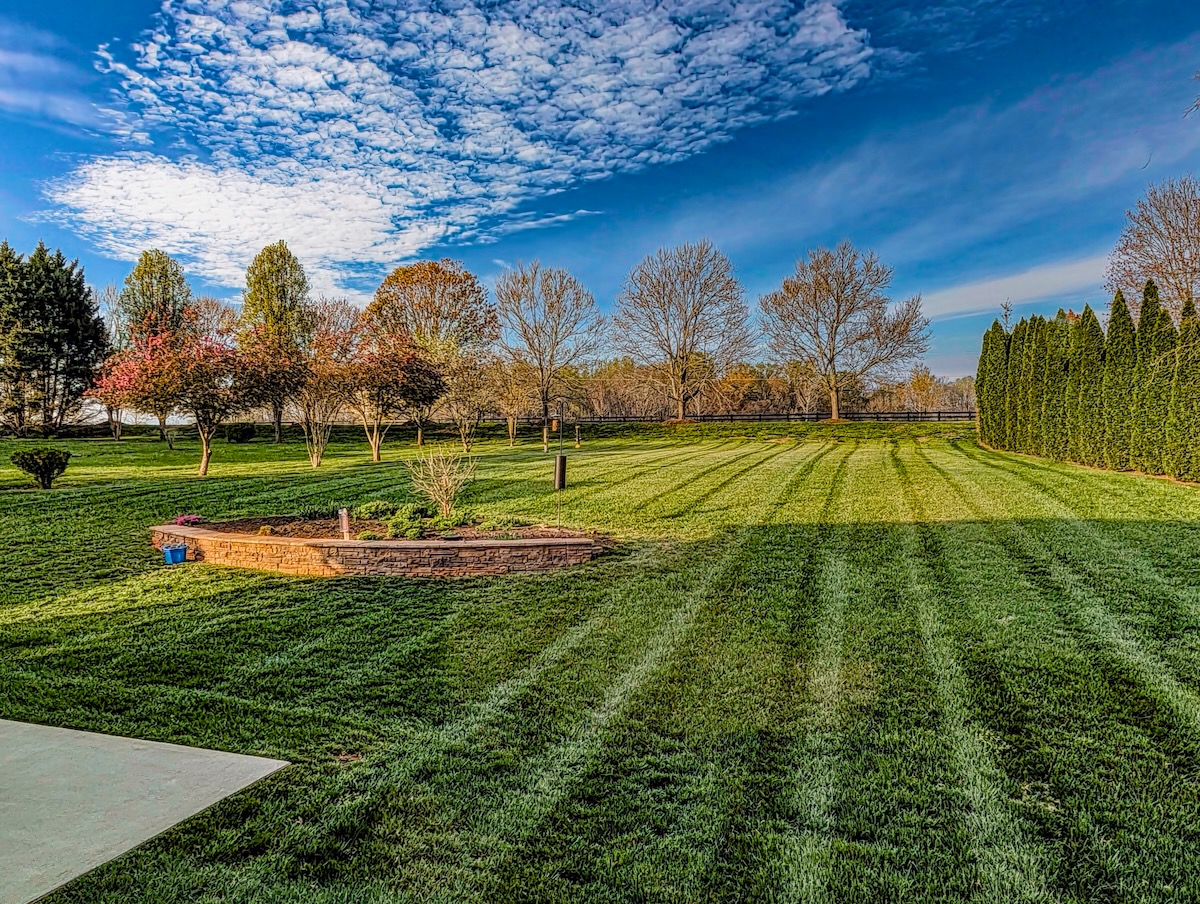
Our Backyard In Davie County, North Carolina, March 2022

How did people manage in the first half of the twentieth century before there were yards to connect them to the soil around their homes? I suspect that they were working in their gardens and fields. By the time I was growing up in the fifties in Lewisville, North Carolina, yards had become important. The condition of our grassy yard often stood between me and a trip to my uncle Henry’s fishing ponds. My mother who claimed the only yard she had as a child was packed dirt swept with broom straw wanted our yard neatly clipped. In driving by our old home, I am little disappointed the town did not put in sidewalks in front of our house during my youth. It would have eliminated the slope on the front yard. It was by far the hardest part of the yard to mow as a youngster.

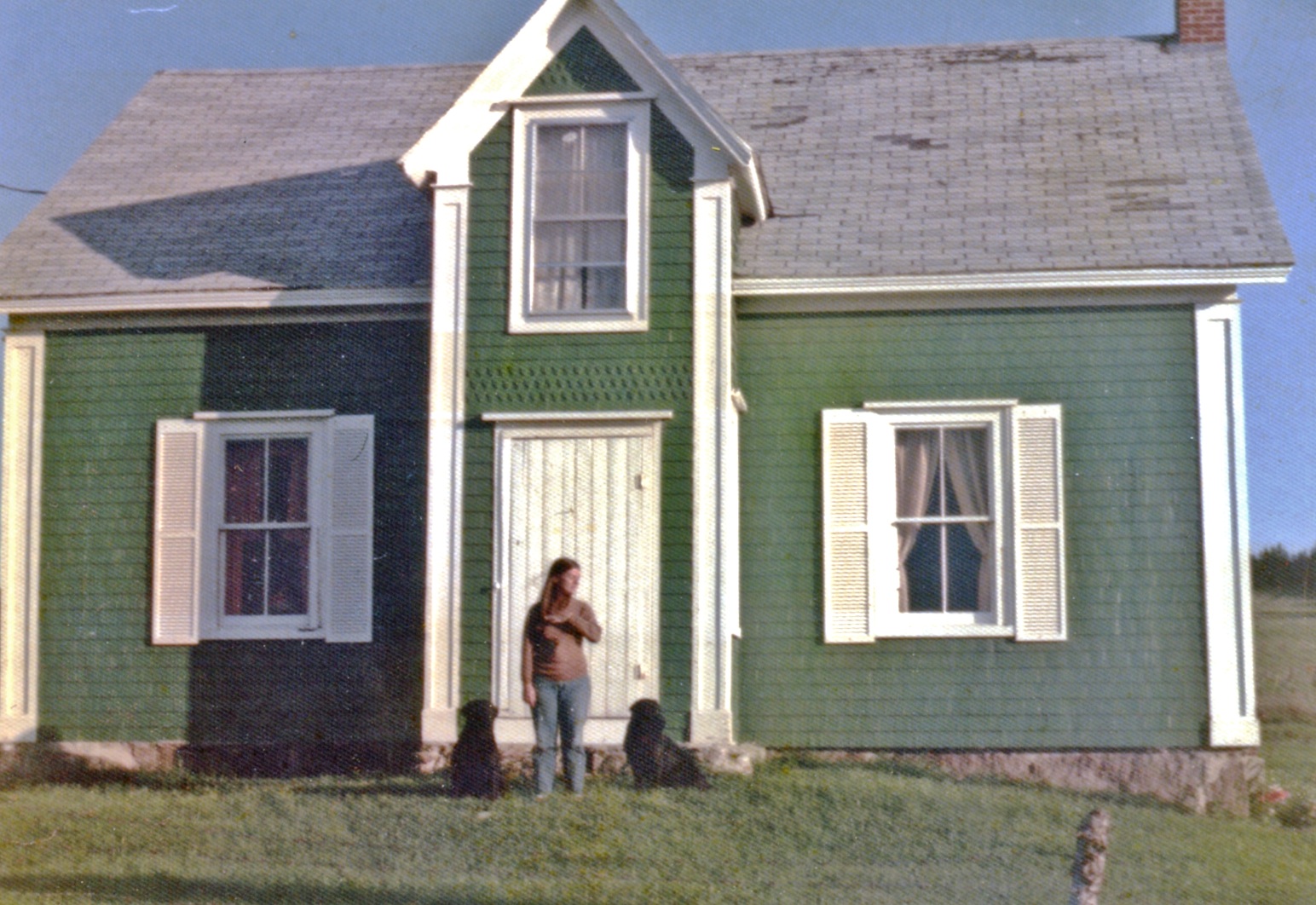
Going away to military school (high school) and then college got me out of mowing yards for almost a decade. My first home after graduation was a two-hundred year old farm house located in a sheep pasture on the Fundy coast of Nova Scotia. No sheep came with the old farm house but long grass did not bother me as a young farmstead owner. When I first moved there in the summer of 1971, the yard was the least of my worries. Getting hot water plumbed in and running so we could stop taking showers at the local campground was close to the top of the list. The second summer I had a tractor with a nine-foot-wide bush hog which I used to mow around the house a couple of times a summer. That was all it needed in my days of being single. After all, I mowed plenty of mature grass or hay, starting with the twenty acre field behind the house which served as one of the few backyards in my life away from home.

Then came the summer of 1973, and I married Glenda, the love of my life from the world of well-manicured yards in North Carolina. Her mother often mowed their yard twice, the second time against the grain, just to catch any grass that might pop up after the first mowing. Sometime during the summer of 1974, Glenda and my neat-lawn-loving mother who was visiting us formed a conspiracy. They drove down the mountain to Bridgetown ten miles away and came home with a Toro push mower. I spent much of the next forty-forty years sharing the task of mowing whatever yard happened to be attached to our personal home.

For the ten years or so when we lived on our farm in Tay Creek, we had a nice riding lawn mower which was adequate for much of the yard. Even Glenda did some mowing. When we lived in Halifax, our yard was postage-stamp sized. By the time we arrived on the mountain in Roanoke, Virginia, I had come to somewhat enjoy mowing. There are those times in your life when something as simple as mowing a yard can be very satisfying because you can actually see what you have done.

One of the immutable laws of mowing is that the farther south you live, the more miserable the task of mowing can be. Sometimes, even the most careful home yard person can end mowing in the oppressive heat of the day like I did more times than I want to admit after we moved to the North Carolina coast. As I wrote then, there is a true brotherhood of Southerners (both men, women, and teenagers) who have mowed yards when they never should have.

Mowing is one of those circular things in life. In your early years, you are too young to push a mower, so it seems fitting that in the later years of life, it is also okay to be too old to push a mower. You come to a point when you are faced with either hiring someone to mow the yard or buying a riding mower. Since I spent many years straddling a John Deere farm tractor, we chose not to revisit those days after a back problem slowed me somewhat. For a couple of years, I shared the task with our mower of choice, choosing the spots that required a push mower for myself. However, it was an easy transition to giving it all up. When we made our 2021 move from the land of coastal centipede grass back to the fescue grasses of the Piedmont, we left our third Toro mower with the father and son team that was doing our mowing. I even gave them my gas-powered trimmer.

When our current mowing team shows up, I know the noise will be over within a few minutes as opposed to the hours that it would have taken me with a push mower. I still enjoy our green space especially the backyard which is the nicest we have had since that twenty-acre field that came with our first home. Now if the backyard were just a meadow.

The Shade Trees Are Still There, We Aren’t

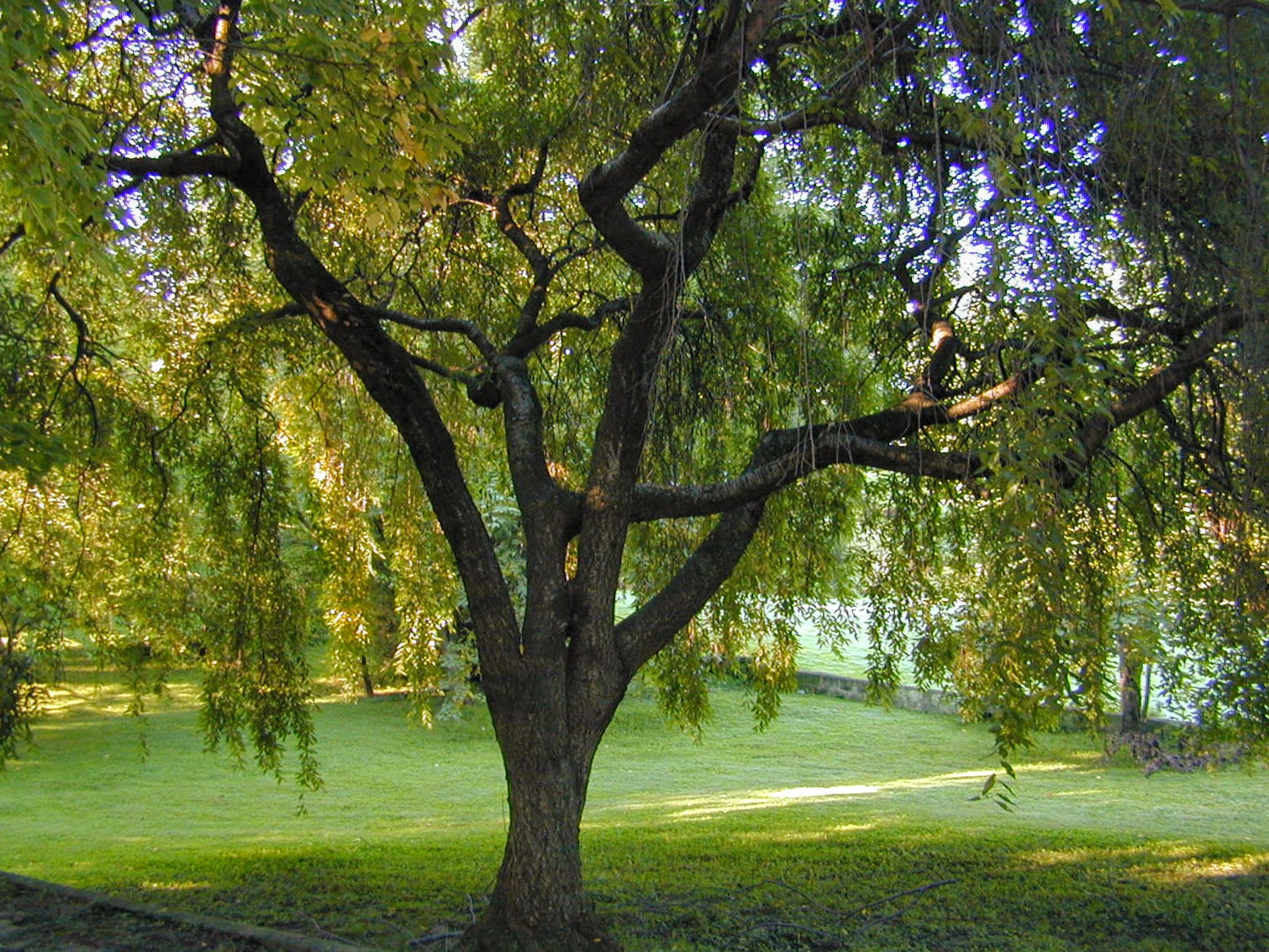
Shade Tree, Mount Airy, NC

I remember well the Sunday afternoons under the shade trees enjoying watermelon or homemade peach ice cream. As children, we played like there was no tomorrow.  It was a simpler time when people could actually talk politics without getting angry.  There was nothing like an old fashioned chicken stew to bring families together in North Carolina’s rolling hills. 

There were no chicken stews that I got to attend during my college years. Those were the especially turbulent late sixties and early seventies and I was far away from North Carolina in Cambridge, Massachusetts.  As I finished my degree in the summer of 1971, I needed to get away from those strange-hued city-night skies where it was impossible to see the stars.

Just as people used to gather under shade trees in North Carolina, friends used to just drop by on Sunday afternoons at our farm for visit. It was a great excuse to stop working and spend some time catching up on the neighborhood news. It was the way people built relationships, established trust and found common ground.  I cannot ever remember discussing politics.

Beyond the impromptu visits, there were community picnics, shared meals, church services (even burials) and work done for the good of the community. All these things made for richer shared lives. When we were on the farm, I never doubted that the community and friends helped us be successful. The support of their communities was essential to success of farming when we had our farm.

That was back in the seventies. The fifty years since then have not been kind to under the shade tree gatherings or any of the other ways that we connected and established relationships.

(Read More)

The Mill Pond

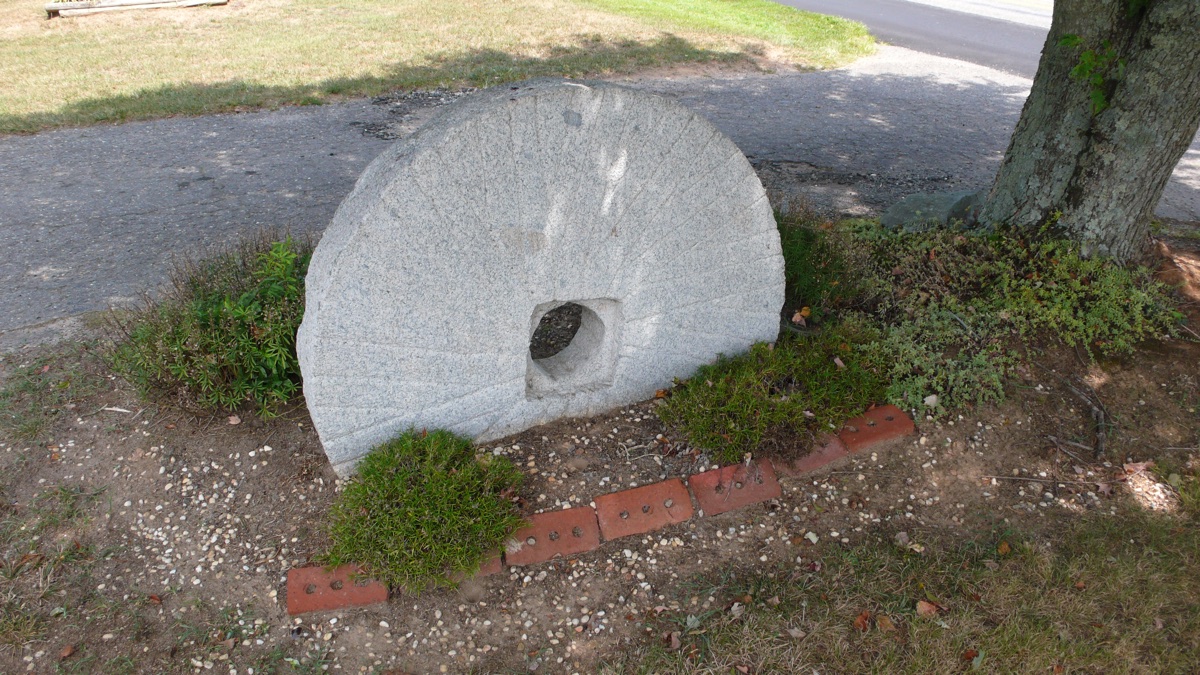
Mill Stone from Walter Styers Grist Mill

My mother spent her childhood up to her teenage years on a mill pond. In my mind’s eye I can see the mill pond, the mill and the house. I have certainly heard enough stories.  My mother grew up there.  As a very young child she got lost in the woods one night. She had tagged a long with her older brothers to play at the other end of the pond.  Like older brothers will do, they got frustrated with their sister hanging around and told her to go home.  She got lost on the way back. She was found by a black man who helped at the mill. She was found only after spending a long cold night in the woods with only one of the family’s dogs as company. Walter Styers, her father, was getting ready to drain the pond and start looking for her body just before she was found. (Read more)

Finally a Backyard

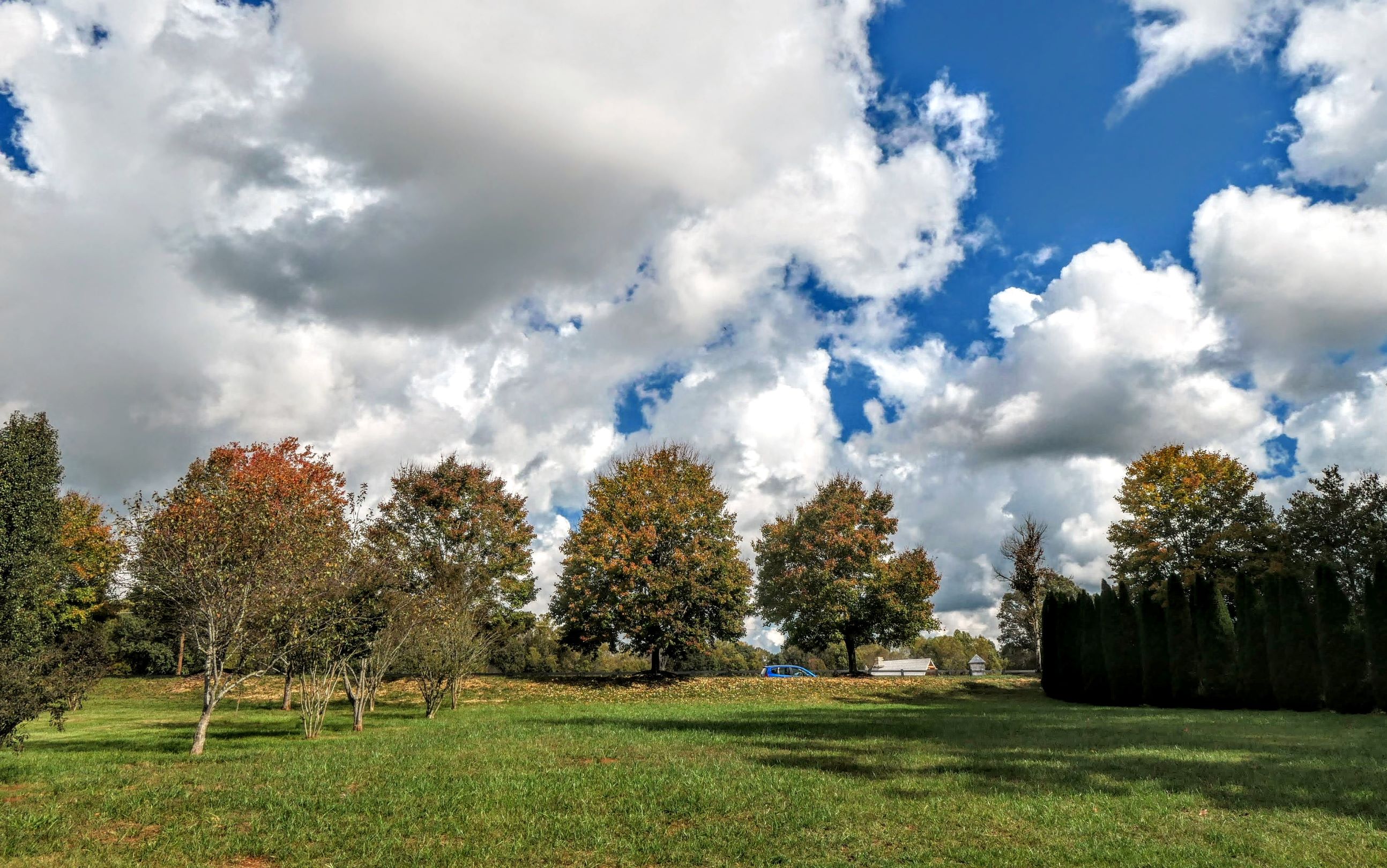
Our Backyard in the North Carolina Foothills

It seems since my childhood that I have spent much of my life searching for a backyard. I have had hayfields and marshes as backyard but until this last move none were close to the one where I played ball with friends when I was in elementary school. I could plow up part of it for a huge garden but I have been there and enjoyed that when I was a lot younger. Read more.

Our Pandemic Move – Life Lessons – Part 1

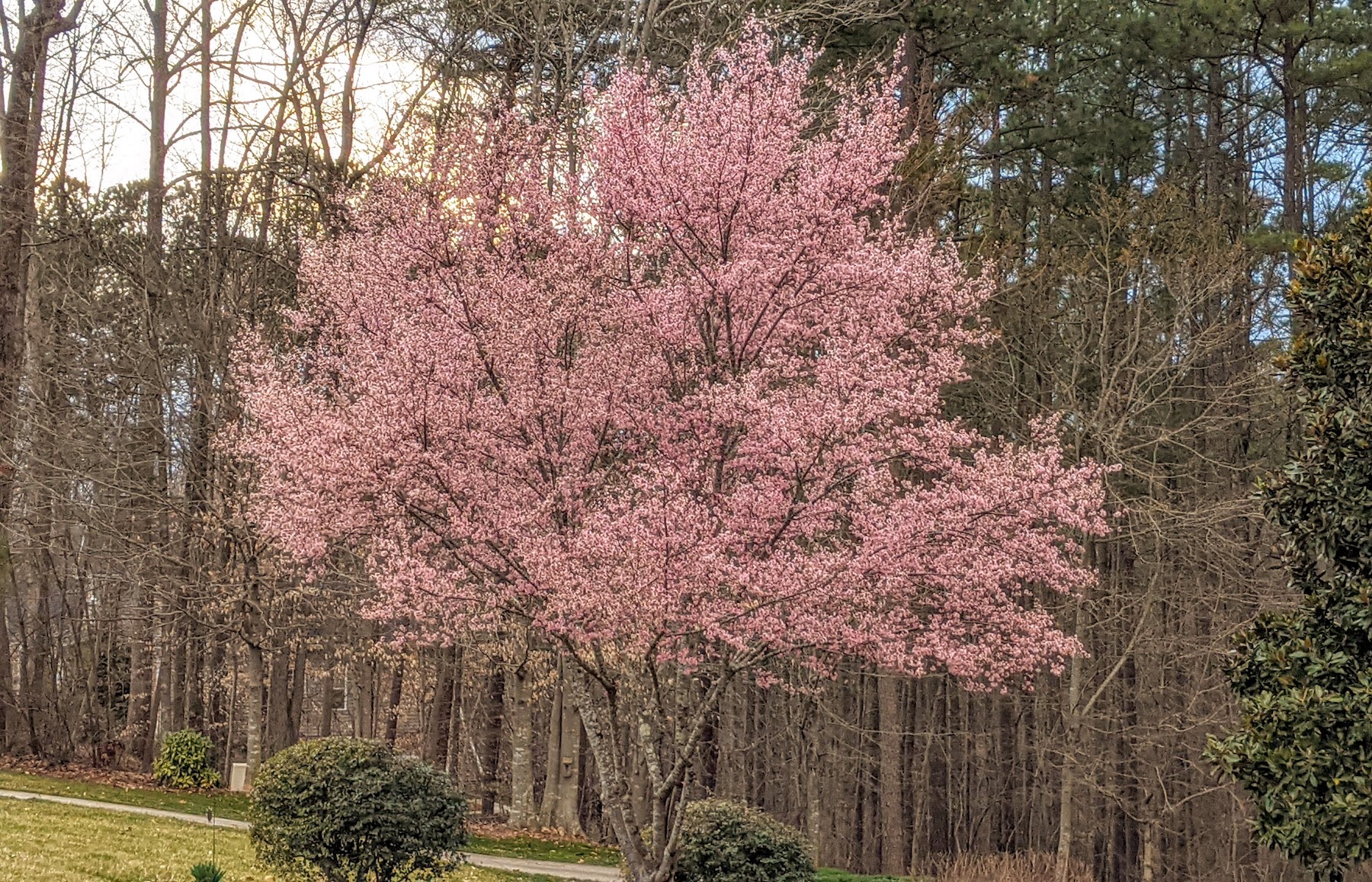
Early spring blooms in our neighborhood near Mocksville, North Carolina

Moving is never easy, but moving during a pandemic is a real challenge. However, we did and learned a lot – even some minor things like it makes sense to take paper towels and paper plates with you when you are huddled in the safe zone of your hotel room. Most of all, this move reaffirmed the value of working with a great real estate agent. While technology made the move possible. Our great realtors actually made it happen. Read more at this link.