A Broken Connection to the Land

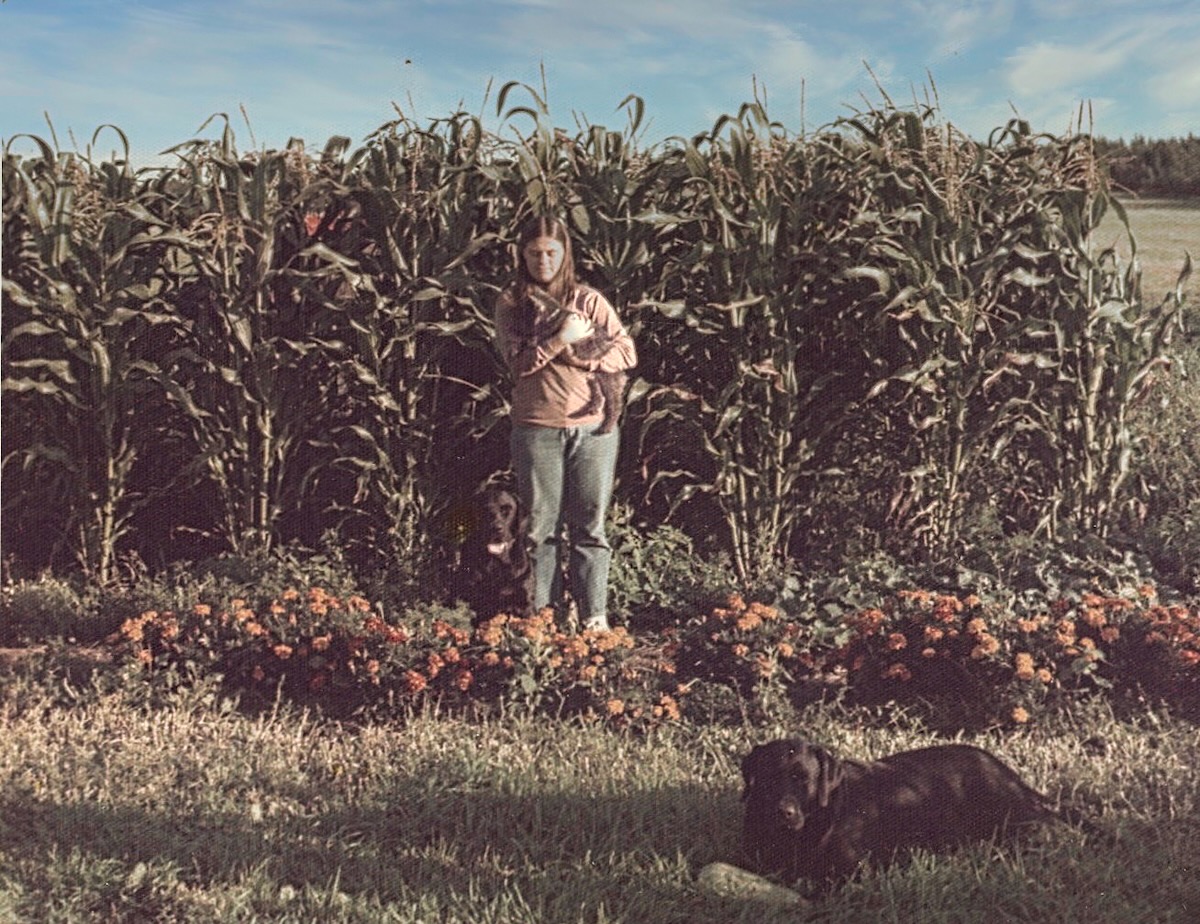
My wife, Glenda, our two Labradors, Tok and Fundy and our third Nova Scotia garden

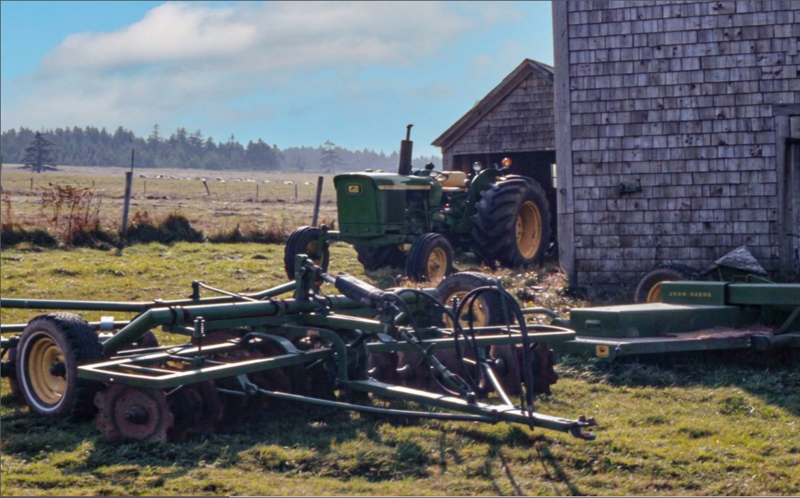
In 1971, after college graduation — I moved to the Nova Scotia shore and began rebuilding a 200 year old farm house still standing because of its massive hand-hewn and pegged beams. That first winter I immersed myself in gardening books and magazines, extending my limited gardening knowledge while trying to pick the right varieties that would thrive in the North Mountain’s short, cold and foggy summer. That first May on the homestead, we had a cold frame, and we started working the land as early as possible. Even with the huge, years old piles of chicken manure getting a garden going in the heavy clay sod was a real challenge for us first time serious gardeners. While we had a tractor, three furrow plow, and manure spreader, we had not gotten them early enough to plow our garden plot the previous fall before the snows came.
In spite of the challenges, it was a bountiful garden, yielding even corn and tomatoes which aren’t easy to grow in the coastal fog. My mother and her sister came up to teach us how to preserve our food for winter. Had I studied colonial American history after that first season of farming instead of before going back to the land, Jefferson’s thoughts would have meant a lot more to me.
Thomas Jefferson believed that “independent, land-owning farmers (‘yeoman farmers’)” were the bedrock of American democracy. Over fifty years of getting my hands dirty have been convinced me that a connection with the land is one of the most important spects of our lives. Being on the land was part of my consciousness well before I started gardening in the summer of 1972. I came from a long line of farmers and millers.

That connection to the land teaches some powerful lessons. One is that you can do everything right and end up with nothing except the choice to push yourself and try again with the hope that this time you will be successful.
You learn to appreciate the unyielding will of a seed to germinate and grow sometimes only to fall victim to a crow, cutworm, or insect.
One of the most important lessons is that when you are successful, that success is directly porportional to the effort that you have expended.
Once you throw animals into the mix, it becomes clear that when you have responsibilities to animals or others, you cannot just blow them off. Your responsibility is a sacred trust.
The great lesson of all is that there are jobs that need to be done and some of them will not get done unless you take them as yours. You can be sure you have grown into the role when you know that you cannot walk away.
These lessons are not easy ones, and not surprisingly they are best learned on the land.
In today’s world it seems impossible for everyone to have their own piece of land. For a young person to become a farmer requires far more resources than almost anyone has.
However, if the connection to the land is so important why not teach it in our schools. Educate the children of today about the importance of farms, especially family ones. I believe that schools in non-urban areas could add gardens to their campuses. Why not have today’s children learn about composting, building soil, planting seeds, and transplanting vegetable plants. Small orchards could be established and students could learn pruning and horticulture. Learning how their food is grown and what happens when the weather doesn’t cooperate are valuable lessons. Any food grown could be taken to food kitchens.
If it is important to teach student financial literacy, writing, math, and computer skills, surely it is important to teach them life skills relating to growing food for themselves and others. Courses like this could be intertwined with the history of our population shifts to urban areas and the rise of factory farms. In learning about growing plants students are learning about recycling and composting required for building healthy, sustainable soils. In teaching students about the land we are creating a potential pipeline of young people interested in farming or at least cognizant of the challenges faced by farmers.
People talk about the importance of national service. What if an option for a national service program is helping family farmers for the summer. When we had our cattle herd in the seventies in New Brunswick, I got a call from a friend who asked me to take in his teenage son and teach him responsibility. He was sure his son was headed down the wrong path. He came to stay and work with us. He had a bedroom in our house and ate meals with us. We worked him pretty hard for several months. He learned to drive tractors and he made his share of mistakes.. I don’t take credit for turning him around but I do think we helped him appreciate hard work and attention to detail. He left our farm ready for college. He went on to get his doctorate and become a professor at an American university.
Even urban schools could adopt vacant lots and turn them into gardens. Failing that we could set up summer farm camps where the efforts of campers help grow food for food banks.
It is really time to realize the importance of giving a new generation a connection to the land which could create a generation of young farmers who care enough about the land to maybe put down their cell phones occasionally. If we don’t create farmers, at least we will have a group of much more educated young voters.

No Regrets-Years On The Land

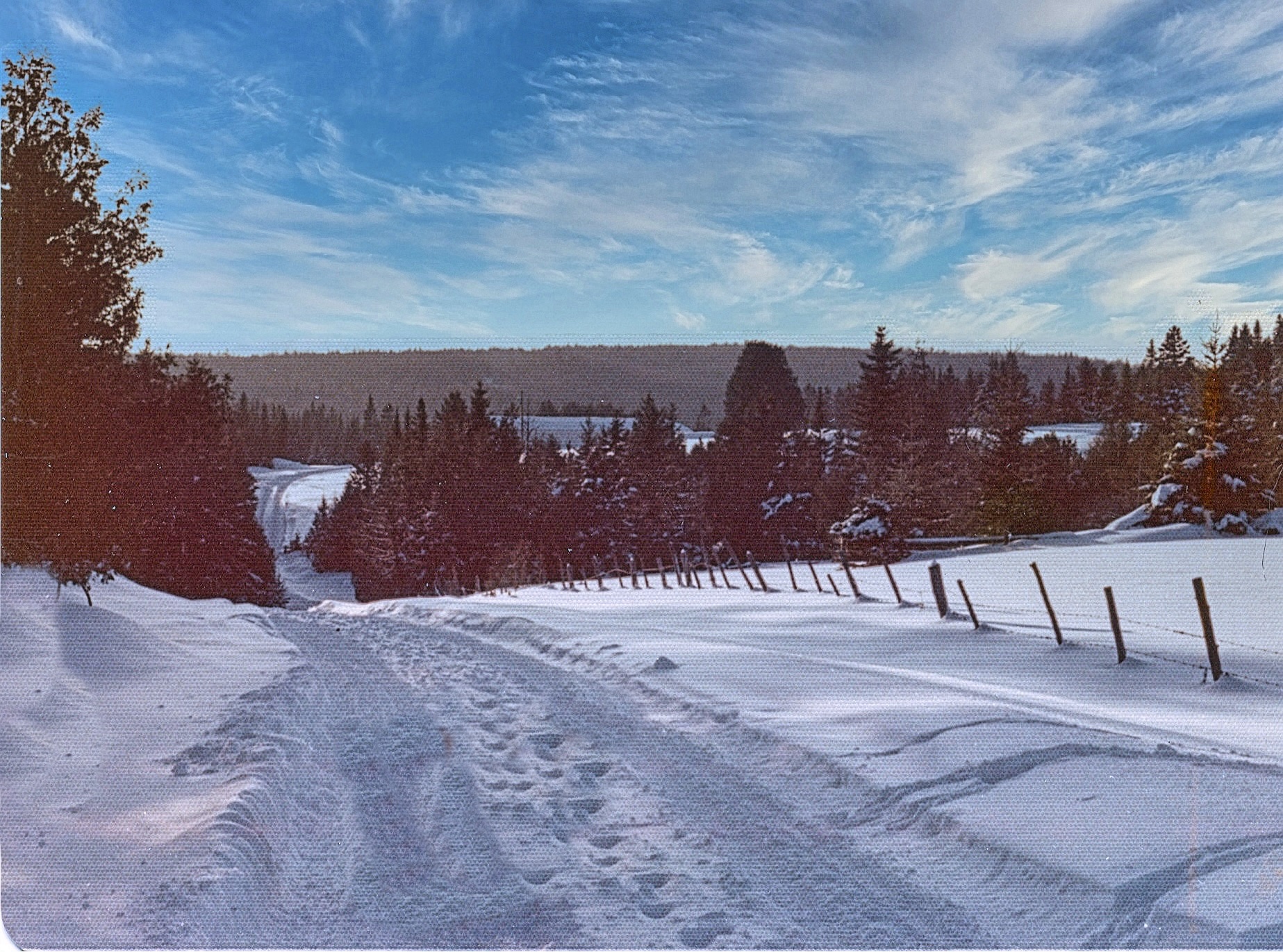
Headed Home On The Road That Took Me To The Cattle

After I graduated from Harvard, I spent over a decade on the land. First, I was part of the early back to the land movement and then later as a cattleman with two hundred head of cattle before we sold them all in fall of 1982 after enduring 20% interest rates. It was a hard life with little room for error and no vacations but the rewards and lessons far outweighed the challenges.
My training other than my Boy Scout years involved wandering the woods shooting the odd squirrel as a teenager, fishing whenever I got a chance, lots of camping during college, and a summer traveling to Alaska in my Dodge Powerwagon. Studying colonial history during my college years had little value when I headed off the Nova Scotia and the old farmhouse on 140 acres overlooking the Bay of Fundy that I bought with my mother’s help.
Rebuilding the old two-hundred year old farm house was really where the training started. I grew up without a dad so I had no one to teach me many of the skills that I needed in 1971. It is surprising how much I could pick up from the free Sears Roebuck manuals on electrical wiring and plumbing. Carpentery I learned from friends who spent some time in Nova Scotia with me that first six months. Gardening and farming I learned from Roedale Press, Malabar Farm, Living the Good Life, Firefox, and the Whole Earth Catalog.
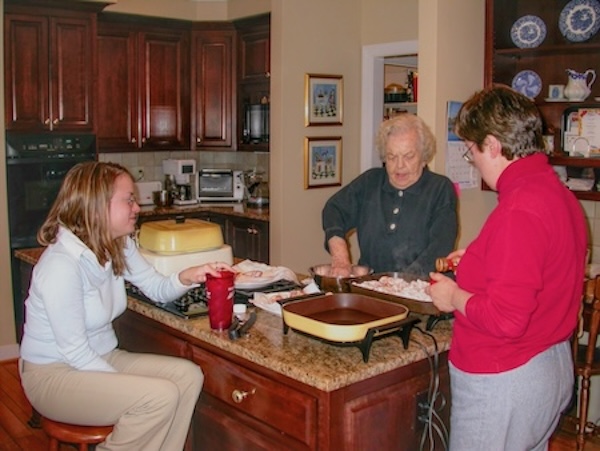
I learned how to do a Thanksgiving dinner when a handful of Harvard/Radcliffe graduates came to see the place that had captured my soul. It was the first turkey any of us had ever cooked but we managed even the careful negotiations on how much celery went in the stuffing. I had grown up knowing the basics of cooking since my single mother often worked late and if I wanted to eat, some knowledge of getting food on the table was essential.
Gardening while guided by the books but was heavily infludenced by having actual hands in the dirt. I was lucky the first old farm had some giant piles of ancient well-rotted chicken manure. The combination of great compost and Nova Scotia’s foggy shore was so good for growing broccoli, we often picked it in five gallon buckets. The cattle started with a few head on the Nova Scotia place, but I quickly figured out the Nova Scotia shore was a lousy place to raise cattle.
In the summer of 1973, I married a wonderful Southern lady who had grown up in the same area as me. Her mother was a part of the same growing, canning, and cooking environment that my mother had lived. By the fall of 1974, we had found our farm in the hardwood hills north of Fredericton, New Brunswick. There there was plenty of advice on how to farm. I incorporated some of those ideas with my own plans. By 1975 we were wintering our Angus herd in the woods and putting up our hay in round bales. My only help was the previous owner of the farm. He had farmed with horses and eventually a small tractor to help with the loose hay he put up annually. Even in his sixties he took to the world of big tractors like a duck to water. He also helped me build a couple of big barns, one 128 ft by 41 ft and the other 69 ft by 64 ft.
By the time the barns were done, we were putting up 200 to 300 tons of hay per year. I could build anything from kitchen cabinets with my radial arm saw to barns with a chain saw. I could use a welder and an acetelyene torch. I had survived working in over 100F temperatures to to feeding cattle in minus 40F a mile back from our farmhouse. In the dozen or so years we lived on the farm, I amassed enough stories to fill a lifetime. The experiences carried me through a coporate career and have defined my life.
My wife and I still have special friends from those years on the farm. Our lives were fundamentally different from those living off the grid today but many of the lessons we learned are the same being learned in Alaska. We heated with wood, supplied our house with running spring water, grew much of our own food including having a milk cow and chickens. The freezer was always full of beef and there was never a shortage of potatoes in the cellar or vegetables we had canned. We lived in a close-knit community where the men dug everyone’s graves and when the funeral was over, they went out and put their overalls on and gathered their shovels to fill the grave.
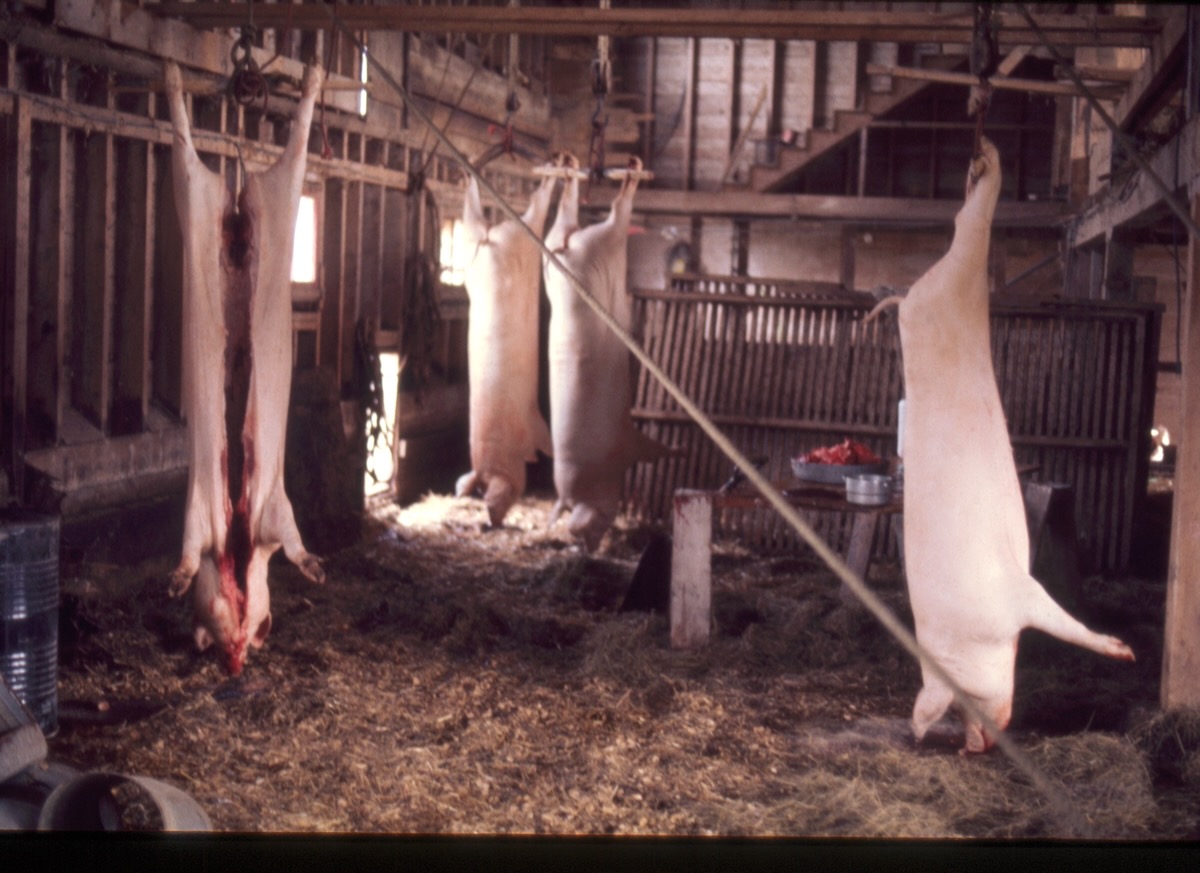
We battled as much as 23 feet of snow in one year. It was wild enough that we had no fences in the back of our farms. In the early years snowshoeing on six feet of snow was common. I know what it means to grow animals which you end up eating. My wife’s first lesson in local food was walking into our Nova Scotia kitchen early one morning and seeing a freshly dressed lamb that I had hung from the top of a door frame so I could cut it up. We sometimes ate salmon that the local tribles sold door to door. There were even a few meals of wild native brook trout. In the spring we gathered fiddlehead greens from the marshes. Before our cattle herd got so large we could often pick chantrelle mushroom from the edge of the forest. They were a staple when we lived in Nova Scotia.
The challenges that we faced on the edge of civilization made us stronger people. Living in Halifax, Nova Scotia, Columbia, Maryland, Roanoke, Virginia, and Cape Carteret, North Carolina ground any rough edges off of us and helped us give our three children, all born on the farm, a good start in life. Even at 77 years old, I still garden and I love the feel of rich dirt in my hands.
I have no regrets about the years that I spent living on the land.

The Worthwhile Journey North

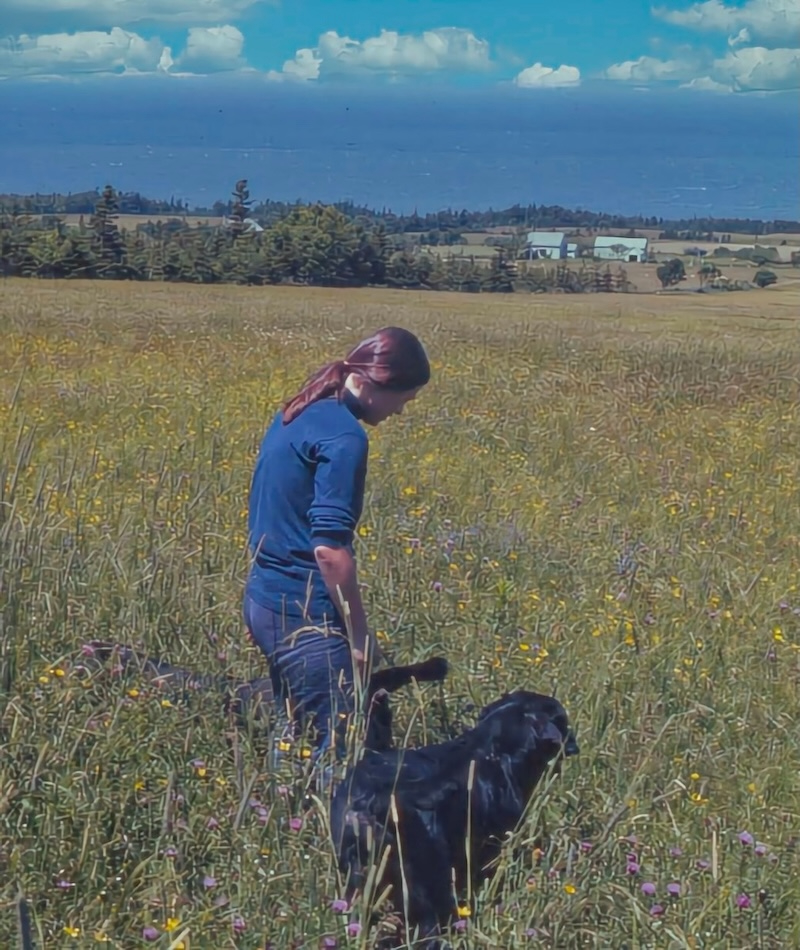
My wife, Glenda, at the head of our hayfield in St. Croix Cove, Nova Scotia. She is accompanied by Tok, one of our Labrador Retrievers

My seventy-seventh birthday is coming up in a few weeks. The thought of being that old has prompted a lot of introspection. Someimes we know why we do something but there are some forks in the road where our motivations might not be so clear. There are also things you remember which make you wonder how much influence they had on your decisions. I was in high school, a military one, when President Kennedy was assasinated. I remember the deaths of Robert F. Kennedy and Martin Luther King. I also vividly remember the election of Richard Nixon, the Vietnam War demonstrations and the feeling of relief when I found out that I wasn’t going to get drafted to fight a war which I thought was wrong on more than one level. When I graduated college, I went back to the land on shores of the Bay of Fundy in Nova Scotia. Some dissatisfaction with the political direction in the United States helped direct me to the north in 1971.
I spent first weeks of 2026, entertaining myself with YouTube videos of the new generation of homesteaders. Many of them are young, and all that I have seen appear to be healthy enough to handle all the wood splitting required to live off grid. I often wonder how their lives might change a few years down the road when their families include two or three children who need educating while the unrelenting work taking care of farm animals demands much of their time. Some of these homesteaders seek purity and will not even consider using a chainsaw. Others seem to believe that doing everything with used equipment shows their dedication to a different kind of life with ingenuity and a dose of poverty. Some fully embrace ATVs, snowmobiles, tractors and even excavators. Most it not all of them embrace solar power. There is a propensity for them to have goats and chickens with few pigs and cattle sprinkled around. Some have subsistence permits and live off Alaska’s. bountiful salmon and wild game. No one seems to have the land to grow their own hay, but many are investing huge effort into growing vegetables in places were vegetables are very hard to grow. Some have very young children but very few have teenagers. I am sure there are many reasons why they are living off grid or in my world have gone back to the land. They will likely wrestle with their decisions as they get older. A few have figured out how absolutely brutal longterm homesteading is on the homesteaders. It will be interesting to see how many are still around five eyars from now.
Long before I graduated college in the summer of 1971, I wanted to move north There were all sorts of reasons but four years at military school along with four turbulent years at college set the stage. My freshman year (1967) at Harvard, I was one of three students out of 1,500 in our class from North Carolina. At the time North Carolina was a rural place, and I had grown up loving camping, fishing, and wandering the woods. No one from our family had ever been to college so there was no famial advice to lean on for a career. My single mother raised me by running a beauty shop in the back of our house. Her one piece of advice was whatever I chose to do, I should do it to the best of my ability. She had grown up on a mill pond with a father who was a miller. She had become the lady of the house for her five sisters and brother at the age of nine when her mother died in 1917 flu pandemic. She left home by her middle teenage years when her father remarried..
With those ties to the land and the family of one of mother’s sisters still farming, it was not a stretch for me to want to go back to the land and farm. A trip to Alaska and another to Nova Scotia fanned the flame. In the spring of 1971, I found an old farm on the Nova Scotia coast that was listed for $6,000. It included an old farm house and 140 acres with about thirty acres of that in a hayfield.
Restoring the old house, buying some farm equipment and a few cows are all part of my history. When we decided to get serious about farming we moved to New Brunswick where we built a farm where we eventually had sixty-five cows calving every year.
There were lots of other easier paths to take to adulthood. I needed a path that let me learn everything the hard way. I learned how to wire a house and do copper plumbing by reading Sears How-to-do-it pamplets. I learned to farm by reading books and listening to my neighbors in most cases. I built barns with just common sense, skill saws, and a chainsaw. We only left the farm when interest rates got to over 20%. We also made the decision three years after leaving the farm that we wanted our children to know their North Carolina based grandparents and hopefully find lives not far from us.
It was a huge effort to move from the farm to Halifax, Nova Scotia, where I went to work for Apple. It took even more effort to move back to the states.
Now as I sit in my comfortable house eating food from local farms and exotic places like Trader Joe’s, I struggle to remember the day to day challenges we faced on the farm. I can remember all the wood splitting, the hauling it into the woodshed, the years of milking our Guernsey, Rosie. I also remember all those trips, often three times a night, to check for new born calves in the depths of winter. All the work that went into haying and gardening is clearly burned into my mind. The freezers were always filled with beef which is a luxury today. We had more garden produce than we could dream of eating but it was a lot of hard work especially when the black flies were around. We saw weather as cold as minus forty with sixty mile per hour winds and heat over one hundred degrees. We lived on the edge of civilization but most days we had power. We also had the equipment to move snow and take care of 200 head of cattle without hiring another person. There was a ten year stretch with no vacation. When we finally did get a vacation to Prince Edward Island, we did not know how to act on vacation. Farm life was brutally hard at times, often money was very short, but we all slept well at night.
Even with all the hard work, I would sign up for it again but with fewer cattle if somehow I miraculously got a body forty years younger. Whatever the reasons behind this generation going back to the land, it might well burn brightest in their memories like it does in mine.

Doing it the hard way

In the sixties or early seventies, the back to land movement was well known. The 1968 Whole Earth Catalog was the instruction manual dedicated to it. Helen and Scott Nearing were its inspirational grandparents. Many in my generation’s back to the land movement were vegetarians like the Nearings. Some were vegetarian by choice and others because of necessity. Because of my proclivity to cattle and farming, I studied Louis Bromfield’s book, Malabar Farm. Today there there is a new generation of people going back to the land.
In this century they are known by the label “off grid.” Few of those folks are openly vegetarians. This new generation proudly hunts and fishes for protein to supplement what they grow. Though their animals are more likely goats than cows, there are some with cows and even horses.
Many of today’s off grid folks are often in places deliberately difficult to reach. Most back to the landers in the seventies went where they could find cheap land whether it was alongside a road like my house and barn or back in the boonies where my friends in the dome lived.
During the seventies, the rural Annapolis Valley where we shopped did not have supermarkets. It had small grocery stores and cooperatives where you could get your food, your baler twine, and some beef fattener for your steer all in one shopping trip. Beaver Fruit Cooperative got most of our business. I also did some bulk orders with the folks in the dome. We had a local hardware and a Sears catalogue store which is where we ordered our appliances.
There were times in the early seventies when I thought about getting farther from the roads that connected us to the rest of the world. Reality always intruded. I thought about homesteading in Newfoundland, but my wife took one look and said I would be homesteading alone. I even found a great spot high on a hill on my land in Nova Scotia.
It is pictured at the top of the post. It was over a mile off the road which does not sound very far until you factor in the heavy clay soil and the astronomical expense of building a mile-long gravel road where gravel is in short supply. Then there would be the likely impossible task of getting power to the homestead. In those days there were no solar panels and battery systems to give you electricity off grid. Drilling water wells on our North Mountain was also problematic.
By the time we moved to New Brunswick we were well on the track for serious farming. We still gardened on a large scale, had chickens, and a milk cow. We did move to having someone butcher our annual steer for us instead of doing it ourselves. In creating our farm, we built well over a mile and a half of roads with New Brunswick’s ready supply of gravel over our rocky soils. I also convinced New Brunswick power to bring power a quarter of a mile back to the new barns that we built. We drilled a well back by the barns. It provided so much water that it was hard to measure.
So by 1976, all the elements were in place for us to move farther from the village of Tay Creek near our new barns but with no close neighbors. It wasn’t in the cards. While we had not had a great experience with the people of St. Croix Cove, the people of Tay Creek had been so welcoming that neither my wife or I would consider having the village become less accessible. It was also a great convenience to be by the road where the school bus picked up our children. It turned out we liked being part of our small farming village. We valued the connections of people dropping by to chat. I did not even mind cleaning the driveways of some residents who became close friends. When we needed them, our farming neighbors were there to help as much as they could.
In the end it seems the biggest difference between the back to the land movement of the sixties and seventies and today’s off grid homesteader is that the homesteader of today is often working to isolate themselves from others. In the sixties and seventies back to landers were still interested in community. I loved the small country stores, but today’s off grid folks are much more likely to seek out the anonymity of COSTCO. The money that some make from YouTube makes it even easier to not have ties with nearby communities. We were part of communities because we needed connections and income. Even today you will find exceptions and some off grid folks are much more community oriented than others. However, when I hear the term off grid what comes to mind are people living in places that are only accessible by four wheel drive, snow mobile or ice road for at least part of the year.

Barely Clinging To The Grid

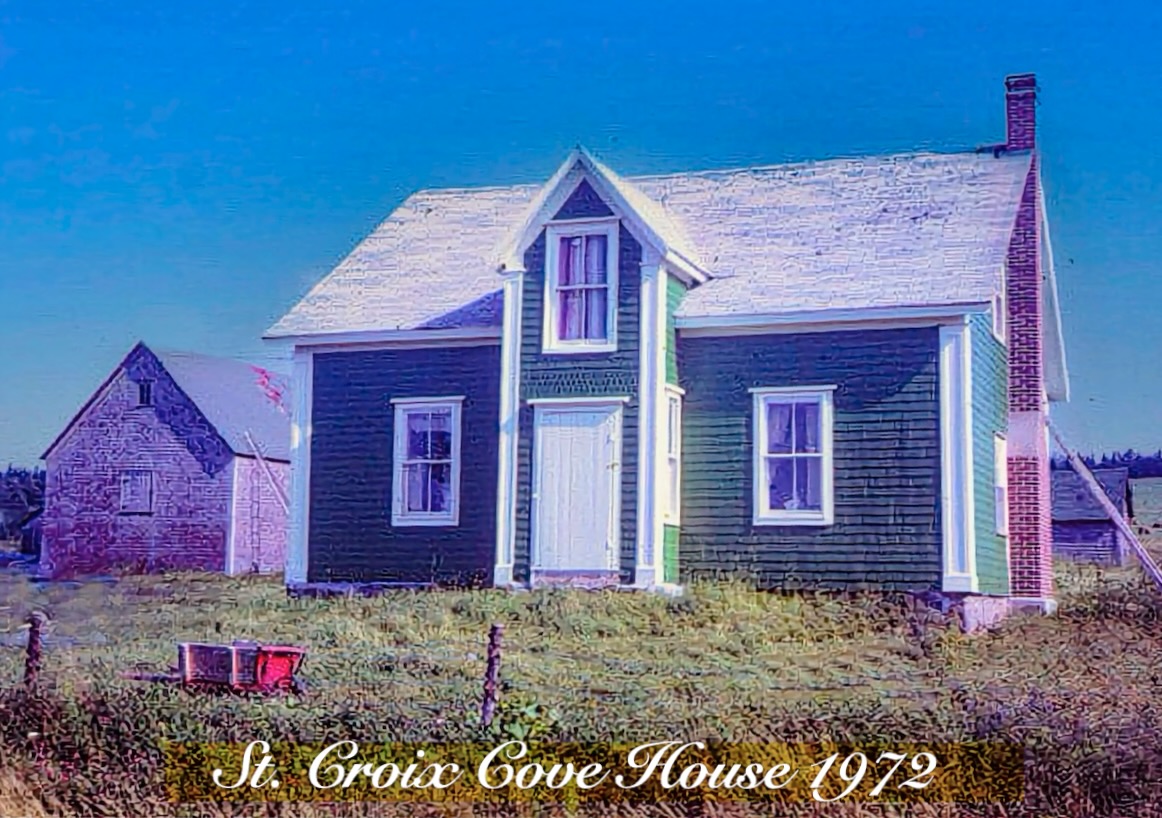
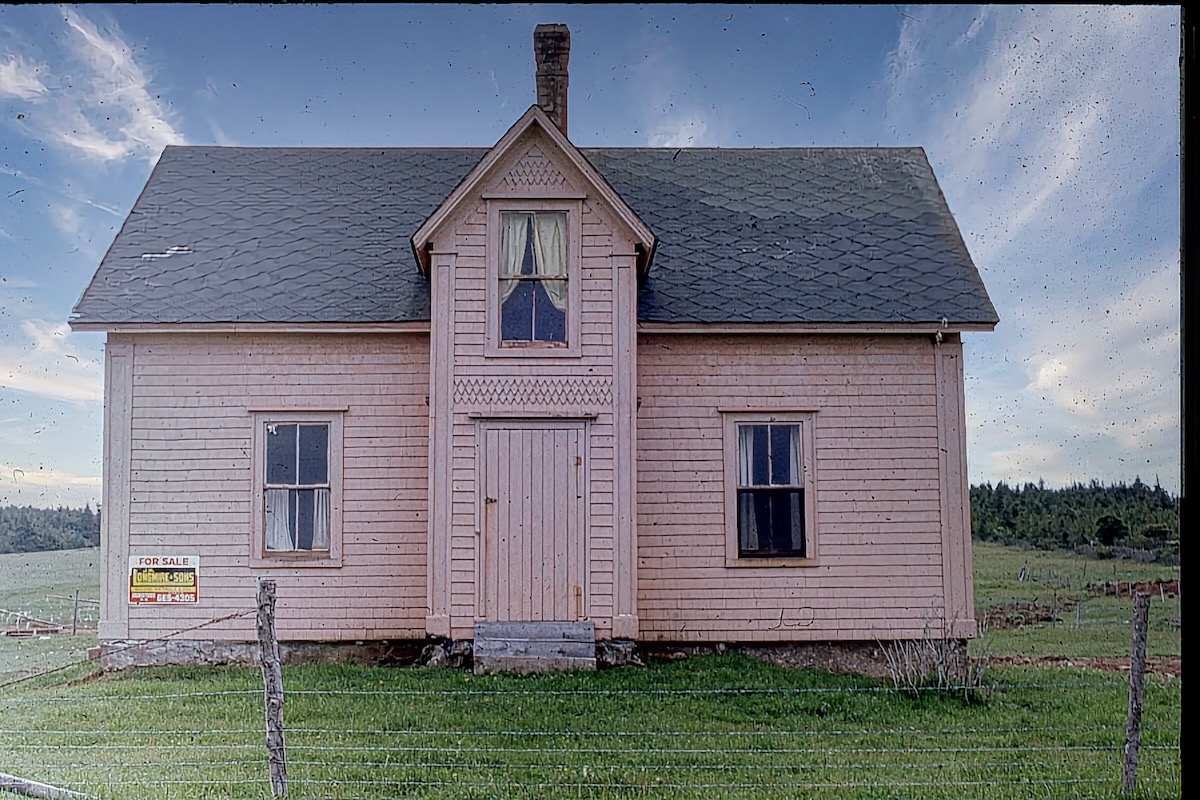
Our formerly pink house after a year of intense work

The dearth of good programming this holiday season has sent me to YouTube where I have enjoyed watching this generation’s homesteaders who would have been part of my generation’s back to the land movement in the late sixties and early seventies.
I was on the fringes of that movement back in 1971 when I bought an old farm including 140 acres, a two-hundred-fifty year old farmhouse (pictured above after a year’s hard work), with a barn and out buildings. I had just graduated from Harvard but had chosen Nova Scotia over law school. Four, also disillusioned, college friends went with me to Canada, but I was the only one to make the commitment to become a landed immigrant. My Dodge Powerwagon and Landrover came with me to Nova Scotia. They carried all that I owned including a TV and lots of spare kitchen utensils from my mother in Mt. Airy, North Carolina.
The pink house in the middle of a sheep pasture was in rough shape when I took possession. We set about tearing it down to the hand hewn beams, insulating it and attempting to bring some modern conveniences to the house. That was probably what set me apart from most in the back to land movement who leaned towards off grid domes, hauling their water, and hand tools for gardening and no modern conveniences,
Maybe it was a childhood in rural North Carolina which was still close to the land filled with small farms that made me different. My mother had been born on a millpond in 1910. I had listened to plenty of her stories of ice being stored in saw-dust insulated holes in the ground and cooking over a wood stove. When I was growing up in the fifties some of relatives still had outhouses on their farms. I also probably had camped in the woods more than most. For whatever reason, I was fine with the conveniences that electricity brought including hot water and a dishwasher. I was also happy to use a diesel tractor on our farm.
I became the electrician and plumber for the modernization of the old house. By Thanksgiving of 1971 we were ready to host some college friends who were sure that we were crazy. It was the first Thanksgiving on our own for all of us. It was pretty rough with everyone sleeping on the floor, a blanket for a bathroom door, chicken crates for kitchen cabiinets, and mayonaise jars for glasses. Still we had an electric stove and a dishwasher. Still it was a great celebration of our independence.
The next year the house was more livable but we poured our energies into gardening and farming. My dad gave me $11,000 to buy a tractor, three furrow plow, disk harrows, front end loader, manure spreader and a bush hog. I took $1,500 and bought our first herd of six or seven cows. We also started refurbishing the old baler that had come with the farm. We converted it to a PTO driven model instead of one powered by a mounted gasoline engine.
We had unlimited compost from chicken manure that had rotted for years behind some old chicken houses. I had little experience gardening besides helping my mother grow tomato plants in North Carolina. What I did have was inspiration from Helen and Scott Nearing and Malabar Farm. Gardening in Nova Scotia on the foggy North Mountain by the Bay of Fundy required a lot more expertise than in North Carolina. Still the abundance from the garden was overwhelming until my mother and her sister, both experienced canners, showed up to help us through that first harvest. We filled the freezer and the cupboards. That winter we butchered a steer we had fattened from our herd. We hung it age in our cellar before carving it up. The next summer we raised pigs, one for us and three more for neighbors. We butchered them with the help of neighbors in the fall, topped up the freezer and made crocks of salt pork. It was an amazing amount of work that made me appreciate all the fresh pork in the fall that our relatives had always given my mother and me.

That winter of 1972 was something of a lonely one. One member of the college crew married the local school teacher and moved into another old house across the dirt road. The last one of my college friends left for a warmer climate. That left me wintering on the Bay of Fundy with our two Labs, Tok and Fundy, and a handful of cats. I made friends with some back to the land folks who lived far in the woods in a dome. I ordered some supplies with them including a giant tub of honey that was still with me when we moved. Mostly what we didn’t grow came from Beaver Fruit Cooperative in Lawrencetown down in the Annapolis Valley or from itenerant peddlers who sold salt fish and winter vegetables. I say we because that was my last winter alone.
I got married in the summer of 1973 and brought my new North Carolina bride home that September just in time for an early season snow storm that took the power out for a week. We stayed warm with the fireplace and cooked over the same. It was not unusual for the powe to go out on our dirt shore road but a week long outage was rare. That next summer my wife and I continued to garden, work on the house, and farm a little. Farming was a little because I had sold the cattle and part of my land to disolve an uneasy partnership with the friend who had married the village school teacher. Well before garden season my wife and I had made the decision to move to a better farming area with more and friendlier people.
We found the perfect place for us in Tay Creek, New Brunswick. We moved there in the fall of 1974 and started the process of building a real farm with the help of some great neighbors. We built our first barn in 1975 and converted to round bales in the summer of 1975.

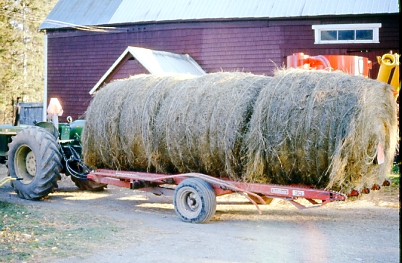
Annually, we put up 200 large round bales for our herd which eventually grew to 200 head of purehred Angus.

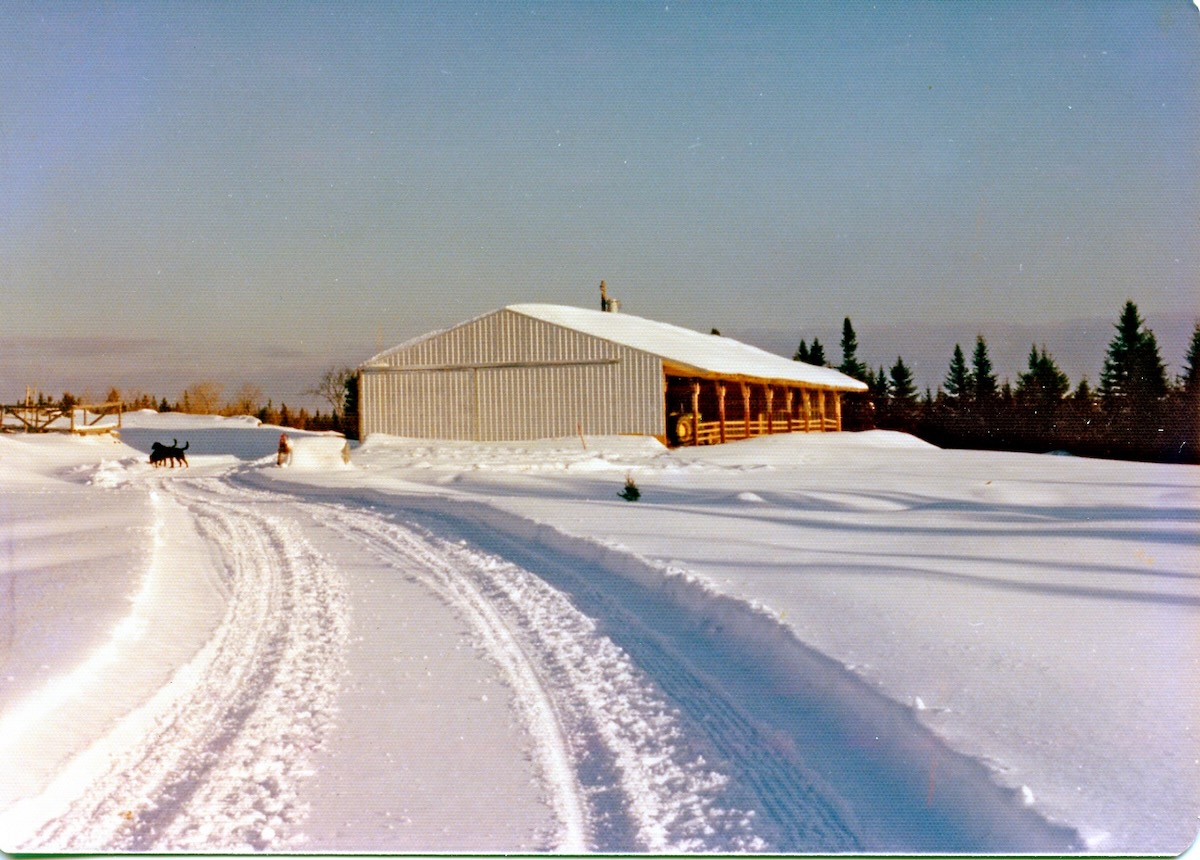
We were actually even closer to the land than we were in Nova Scotia. On our New Brunswick farm we had spring-fed water for our house. We continued to garden, added chickens, and a milk cow. However, we found a local butcher to do our annual steer. We were still on the edge of the grid. Our first winter we got twenty-three feet of snow. We saw weather as cold as minus forty with sixty mile per hour winds. We went back to mostly heating with wood, burning three to four cords per year in our much newer home which was only one hundred years old. It was cold enough that we unplugged our freezers in the shed which was attached to house so you could get wood without going outside. The first winter there I fed hay that had been put up with horses. One thing we did not do is fight snow with tiny all terrain vehicles. A couple of miles of road to keep clear required real snow removal equipment.

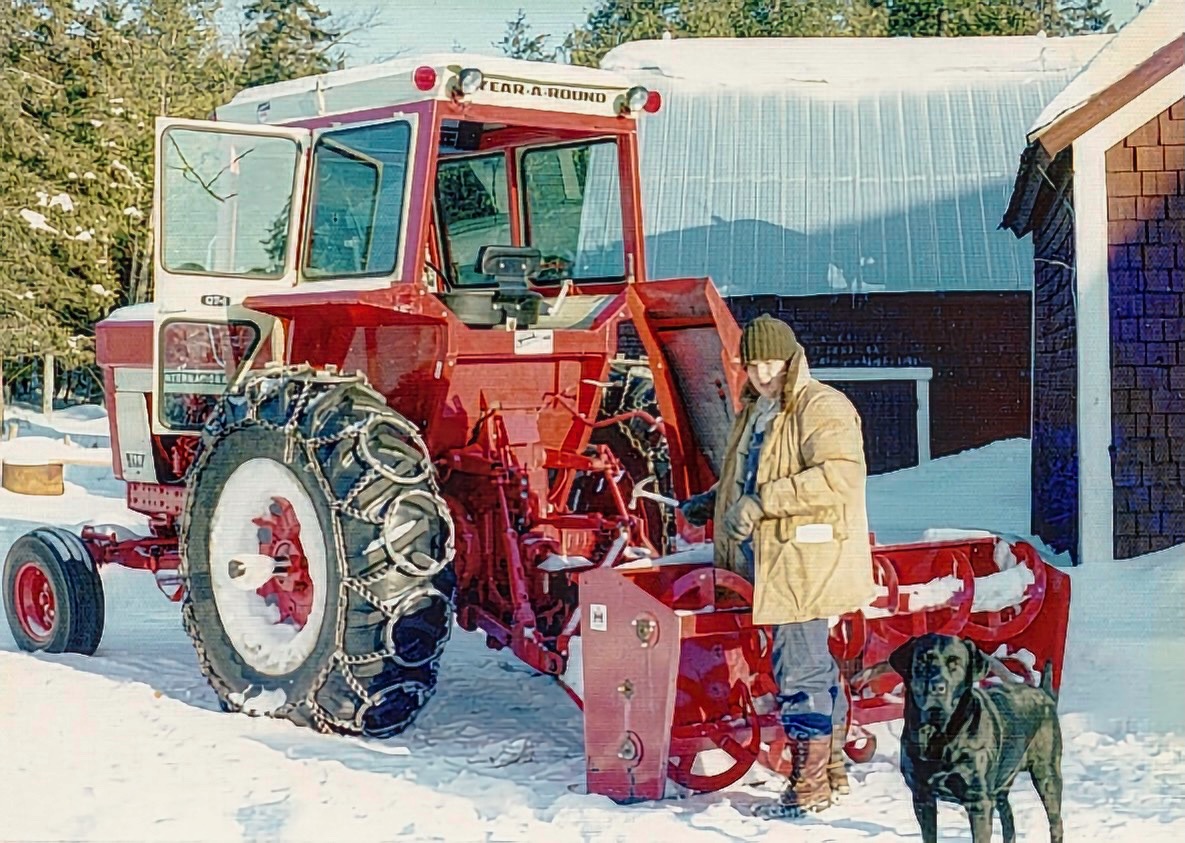
Our 85 HP International 786 tractor with 8 ft wide blower, Tok and me with lots of layers

When I look back on it all, I am amazed that we did it without someone getting really injured. There was no Internet or YouTube for advice. Advice either came from a book or your neighbors. I learned to be pretty self-sufficient often repairing broken equipment with my torch and welder. I added chain saw carpentry to my resume as we built the barns. We ran our cattle in the woods in the winter and managed to get through our farming years without ever having a vet come out for a sick animal. We might still be farming if interest rates hadn’t surged to 20% and drove me to working in the city with computers and eventually to a career of nearly twenty years at Apple Computer.

We were never off grid but if your farm doesn’t have any cattle fences in the back because there is no place for the cattle to go, you can justifiably say you were barely clinging to the grid.

Food, Post Pandemic

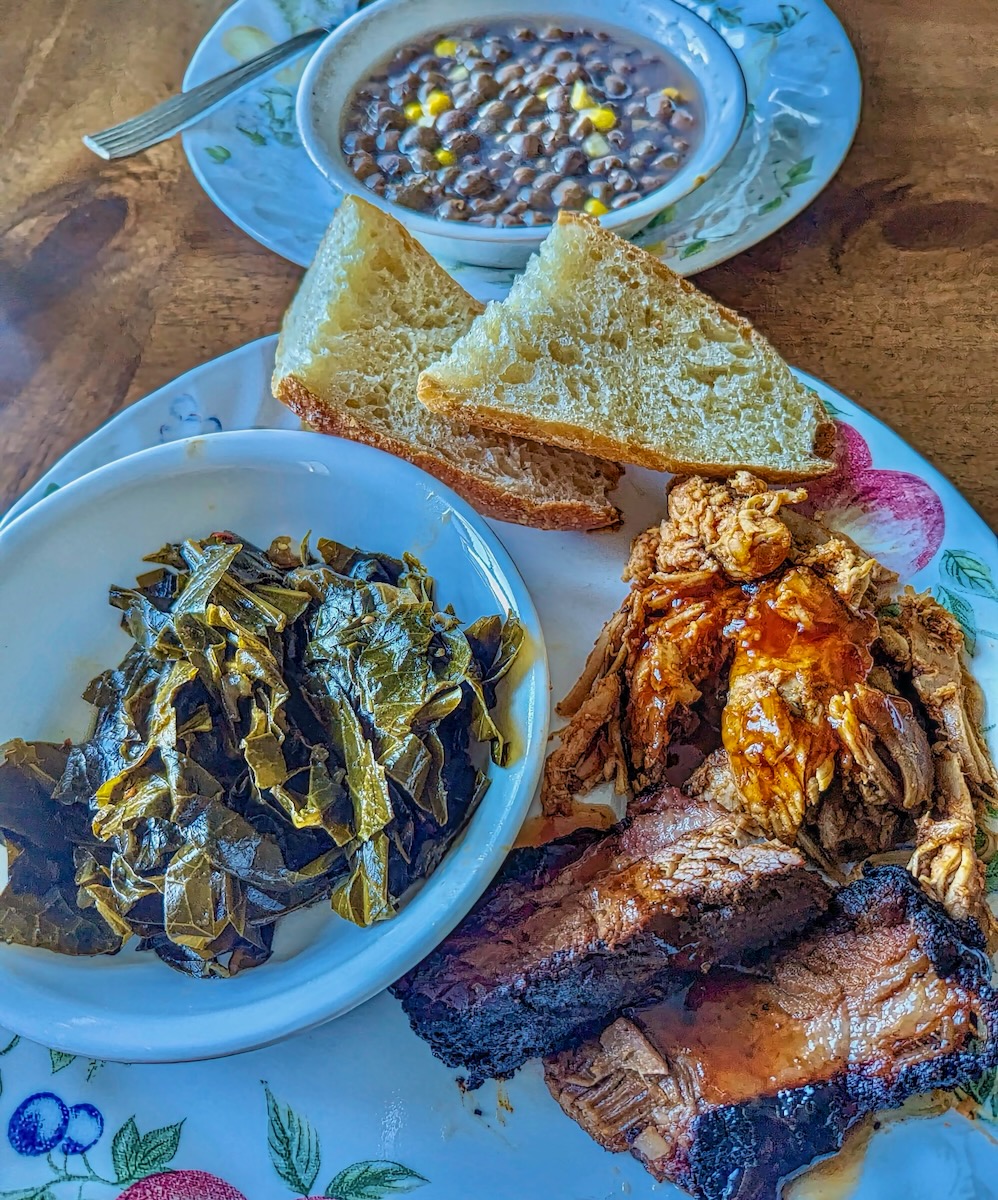
A feast that did not take a lot of cooking

It has been years since I spent significant time in the big cities so I cannot vouch for the state of restaurants outside the rural world of North Carolina’s Piedmont. We have some good restaurants here, but with few exceptions, most can be faulted on something, service, price, or even the quality of the food.

Like many families since the pandemic, we have cut back our in-restaurant eating drastically. We have been disappointed so many times that we often choose to not go back.

Our home-cooked meals have for the last few decades been exceptional. We were fortunate enough to eat wonderful fish like red drum and flounder fresh from the waters of the White Oak River where we lived from 2006-2021. The fish I caught was often supplemented with vegetables from our own garden.

We know what good food is. We understand what it looks like and how it tastes. 

For a decade we had a cattle farm and raised most of our own food. Our kids grew up on unpasteurized Guernsey milk that I got from Rosie, our cow, every morning. Our freezer was full of beef. We had our own chickens which provided us with eggs even when they had only snow for their water.

We had wild red raspberries that grew along the rock piles by our fields. There were plenty of blueberries to be had in the fall and a wonderful strawberry u-pick near us. There were still a few wild strawberries around in those days. We harvested Chantelle mushrooms from our woods and fiddlehead greens from our marshes.  My wife made butter, yogurt, and lots of homemade oatmeal bread.

Times have changed, we left our farm in 1984. We are a lot older but we still love good food. We still garden but it is only supplemental to what we buy from farmers, farmers’ markets and grocery stores. We also have relatives that garden. In  2024, I grew enough tomatoes to sell a few pounds, pay for seeds/plants and still have plenty to enjoy and share with friends.

We have all the tools we need to cook well from a sous vide stick to a gas grill, a wood pellet smoker, an Instapot, and an induction stove.  The challenge is that the older you get, the less time you want to spend cooking and cleaning up. If you don’t like to cook and are not excited by going out, you have to get creative.

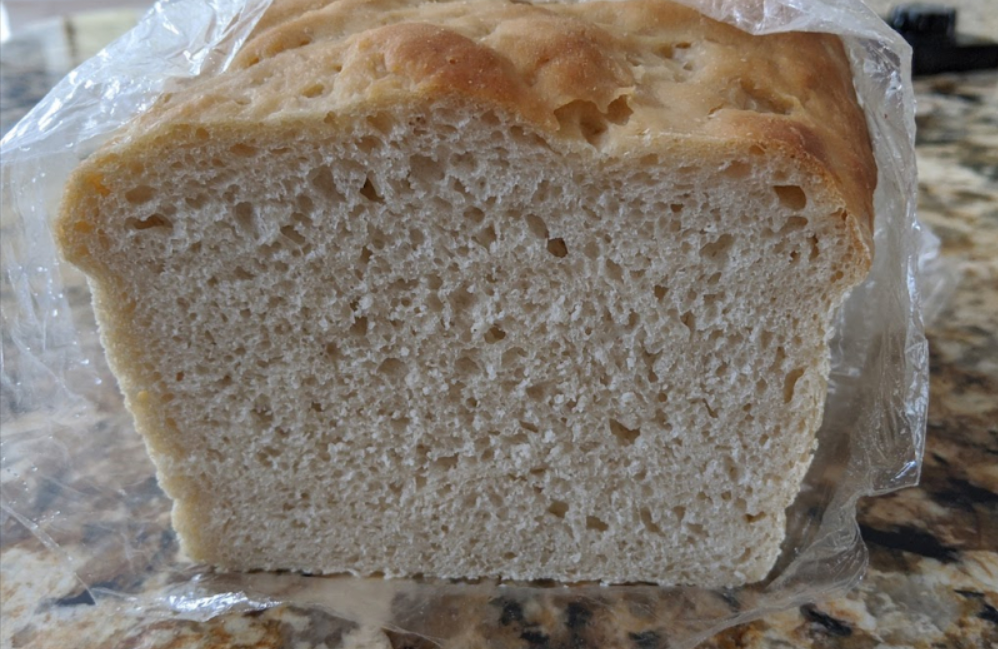
We use our cooking energy sparingly, often working to cook something that will last a few days. If I smoke something, we might eat off it for four or five days or until it ends up in the soup pot. A pot of beans or crowder peas will last at least as long. When I bake sourdough bread which I have been doing for over fifty years, it is usually three or four pounds of bread. We always freeze most of what I bake.

Even so there comes a time when the spirit to cook needs a rest. We have learned very little take out food even the good stuff travels well. Pizza needs to come from a place as close as possible, certainly not more than ten minutes away and it is still just pizza. Burgers are better eaten in the parking lot.

Chinese and Mexican food just don’t travel well. Even rotisserie chicken is a gamble and often too salty. The one food we have found that travels well is barbecue or smoked meat. We are lucky to live in the North Carolina where the real wood smoked stuff is plentiful.

A recent meal had crowder peas that were given to us by relatives and cooked by my wife. The brisket and smoked-pulled chicken, and collards came from Honky Tonk Smokehouse in Winston-Salem, NC. Honky Tonk is one of the hidden gems in the Triad area. The baguette was from Camino Bakery in Winston-Salem. It was a delicious takeout meal supplemented by some of our cooking and bread from a good local bakery. It is the way we have learned to give ourselves a cooking break post pandemic – find something that travels well and build a meal around it.

Partners in Cooking and Life

A Loaf of My Sourdough Bread

When I was chasing cows around our farm in Canada, I would have laughed if someone told me that I would replace my wife as the bread baker. I still remember the days that she would bake four or five loaves of oatmeal bread and the kitchen smelled heavenly every time I entered during the day.

I know that cooking together with my wife has become a great joy. We have found a few regional recipes to carry with us as we have wandered from Nova Scotia and New Brunswick to Virginia, the North Carolina coast and back to the rolling hills of the Piedmont.

The meals that we have cooked are almost always based on simple ingredients. We are blessed to have grown up in families that were close to the land. Fresh vegetables and food direct from the farm or sea often have delighted us and made our meals special.

We were blessed to have grown much of our own food for over a decade. We have never lost those skills or the appreciation of truly fresh food grown in soil that has had enriched with compost that we have made.

For much of our life, we were too busy to do much more than get food on table. That has changed. (Read More)

Turkey Tussles

Our perfect 2012 Turkey

The first turkey that I remember being prepared in our house was cooked after we moved to the Mount Airy house with my dad. The first Thanksgiving at college, I did not come home but I got invited out by a college friend, Jack. We had a wonderful dinner and I got my one and only opportunity so far to sample stuffing with oysters.

The next memorable Thanksgiving happened after college. I had purchased an old farmhouse with a barn and 140 acres on the shores of the Bay of Fundy in Nova Scotia. Four of us had spent months remodeling the two-hundred year old house with hand-hewed beams. College friends came up to celebrate that first Thanksgiving on our own in the fall of 1971. We bought the biggest turkey we could find and the ladies in the group figured out how to cook it.

Little did I know I was already on the slippery slope to a smaller turkey and eventually just a turkey breast. I never take exception with the cook but I sure do miss those whole turkeys. (Read more)

The Mill Pond

Mill Stone from Walter Styers Grist Mill

My mother spent her childhood up to her teenage years on a mill pond. In my mind’s eye I can see the mill pond, the mill and the house. I have certainly heard enough stories.  My mother grew up there.  As a very young child she got lost in the woods one night. She had tagged a long with her older brothers to play at the other end of the pond.  Like older brothers will do, they got frustrated with their sister hanging around and told her to go home.  She got lost on the way back. She was found by a black man who helped at the mill. She was found only after spending a long cold night in the woods with only one of the family’s dogs as company. Walter Styers, her father, was getting ready to drain the pond and start looking for her body just before she was found. (Read more)