
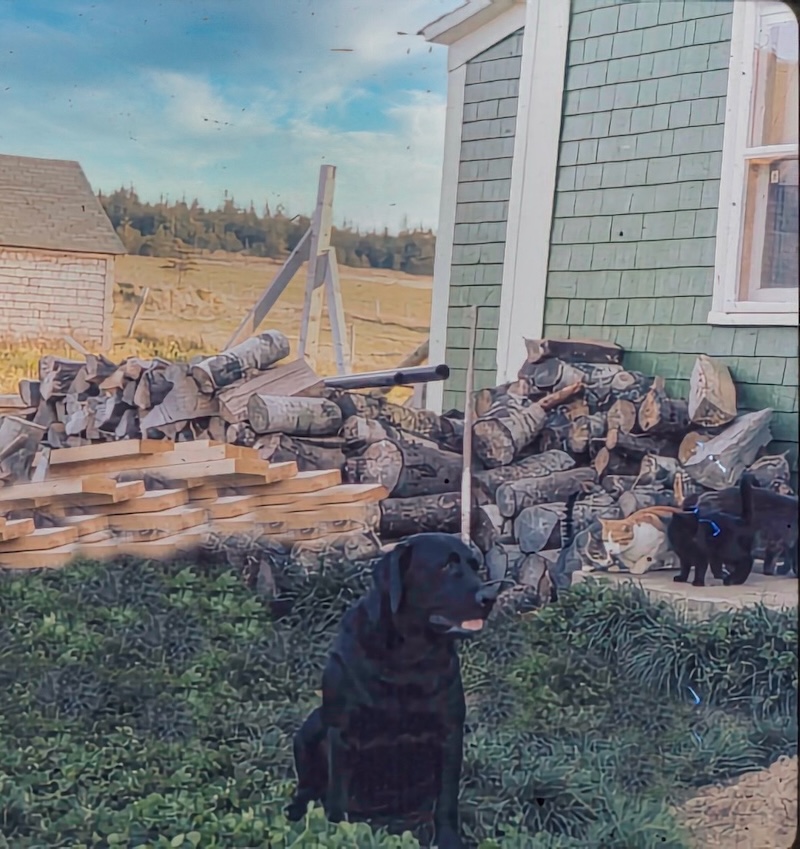
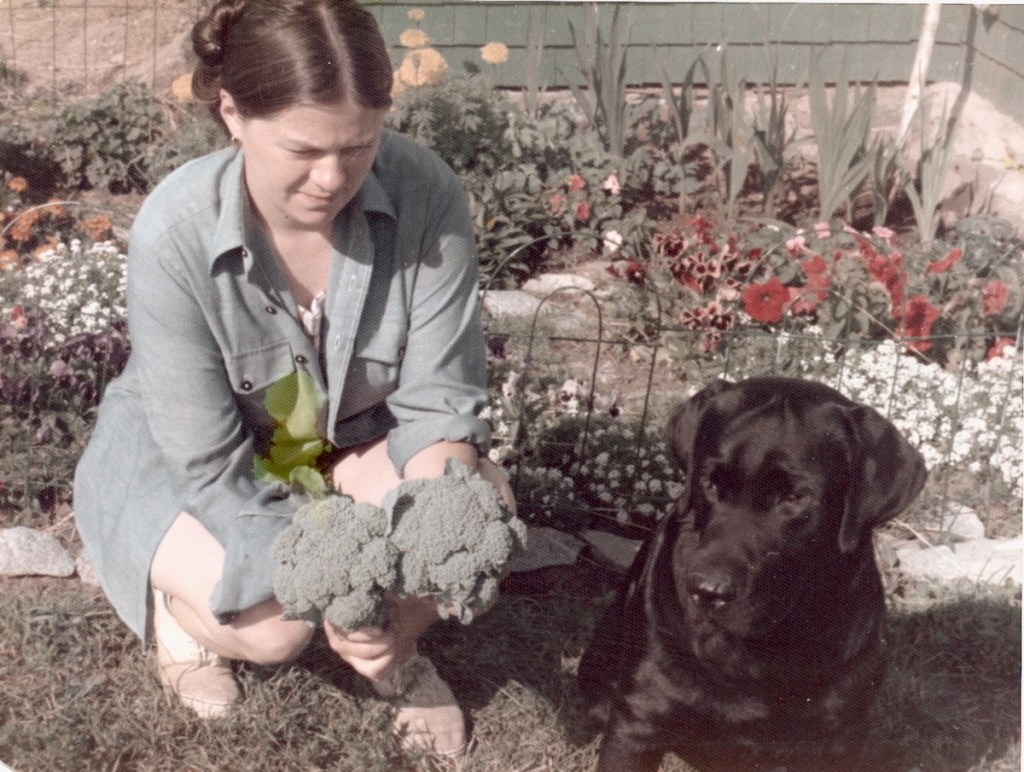
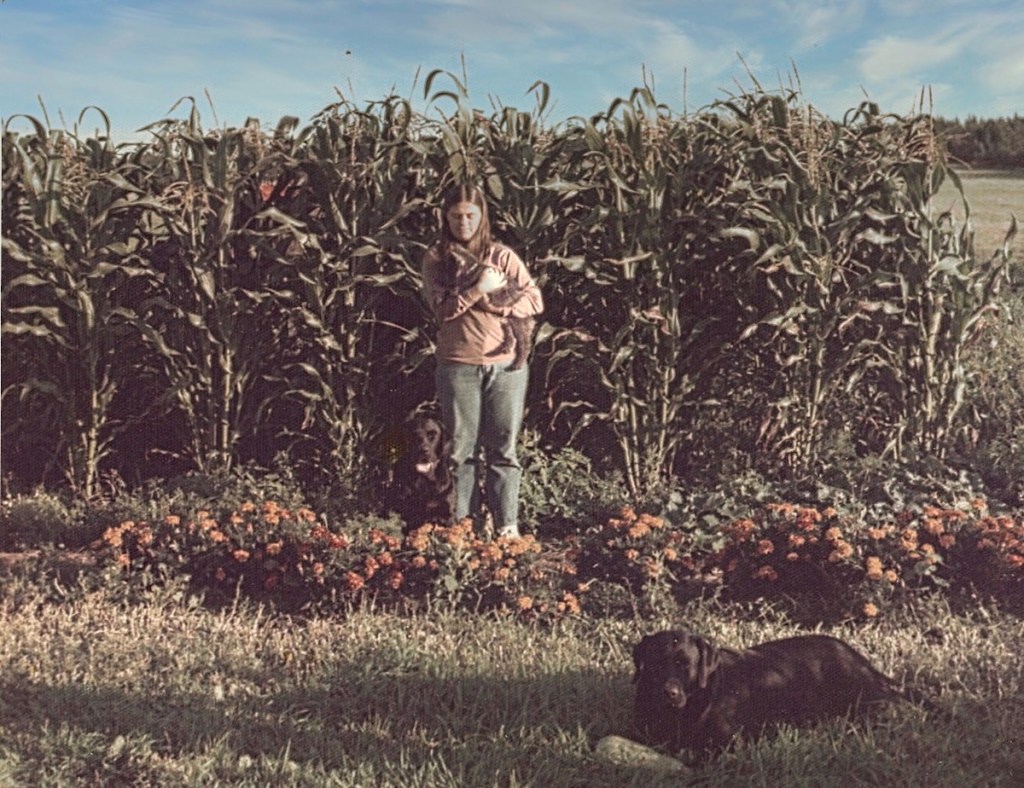
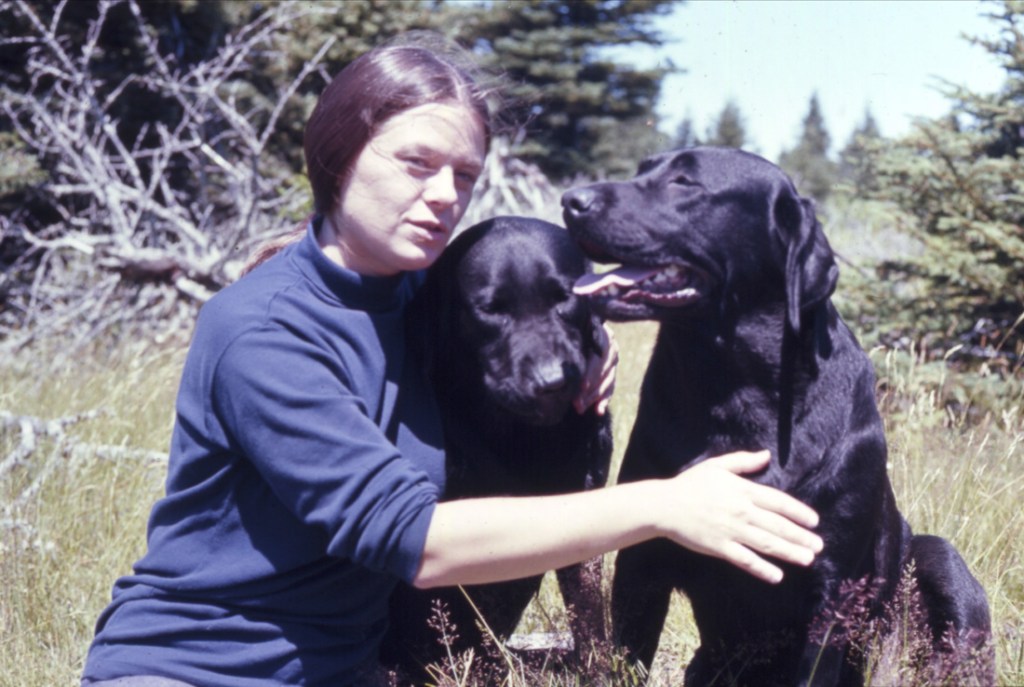
I spent fourteen years living very close to the land In Nova Scotia and New Brunswick from 1971 to 1985. We grew huge gardens, eventually had cattle, chickens, a milk cow, built large barns, cleared land, built roads, grew hay/oats, and heated with wood. We had a couple of Labs and a bunch cats. We could not have survived, much less farmed without the right tools.
I have great respect for this generation’s off grid movement. Going back to the land is not any easier today than it was fifty-five years ago. In some ways it was easier back in the seventies. I don’t think you had to get quite as far off grid to get back to land. Nova Scotia winters while sometimes wintery are no match for winters in Alaska and Northern Canada. Most of us just wanted to get away from the cities and did not care about proving that we could live in some of the world’s harshest climates.
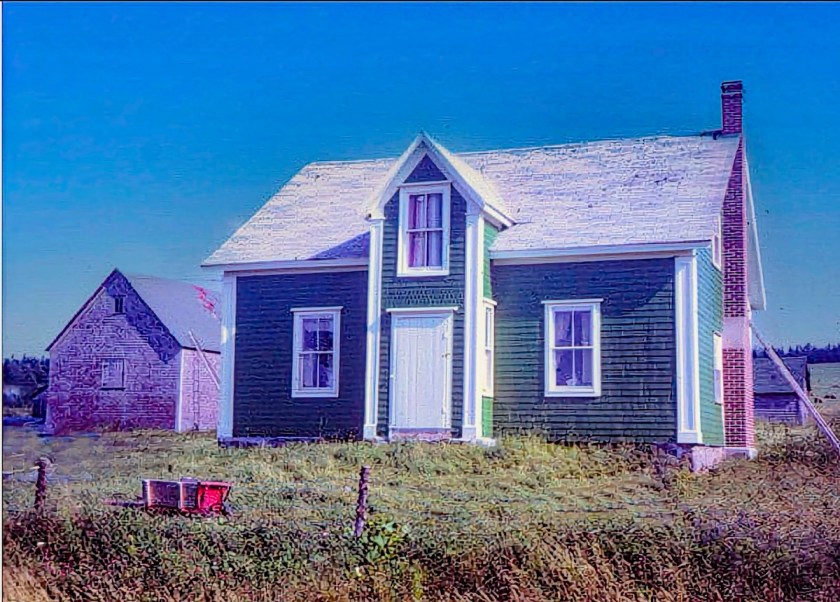
Going back to the land and building a life there did not happen at once. For me it all started with the farm house, barn, and land along the Bay of Fundy shore in Nova Scotia. While we didn’t build a cabin on raw land, it was still an uphill battle to have shelter, warmth, and food from a garden.
The right tools and persistence are the keys to success in getting back to the land. In over four decades things have changed. Many tools that are now available were not around when we were living on the land. Surprisingly except for the rise of solar power, the changes are minor for small scale homesteaders and farmers.
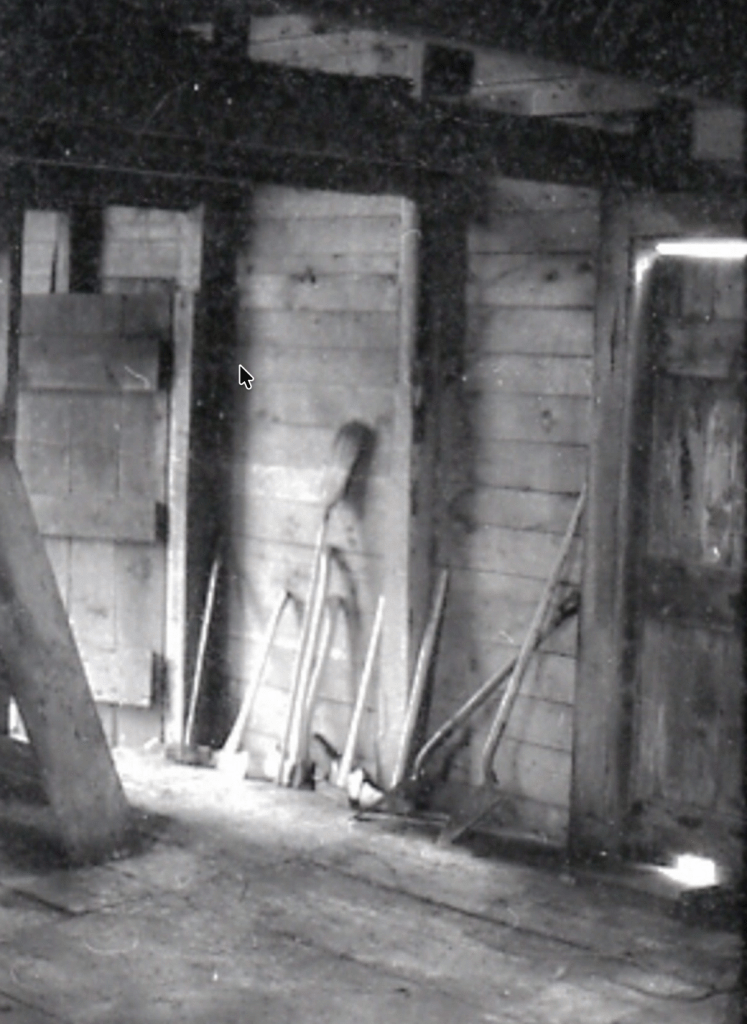
What you buy first depends on your individual situation. The top brands have mostly changed in the last fifty-five years but I learned that cheap tools break far too often.
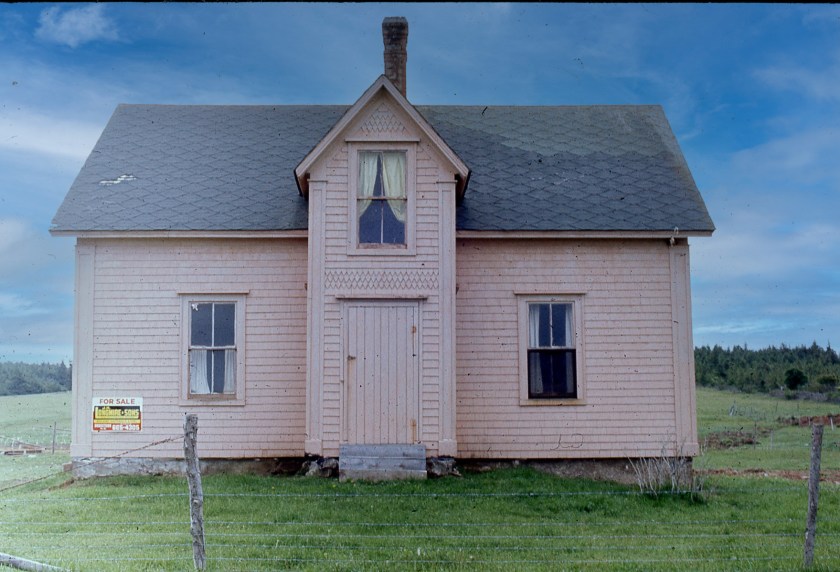
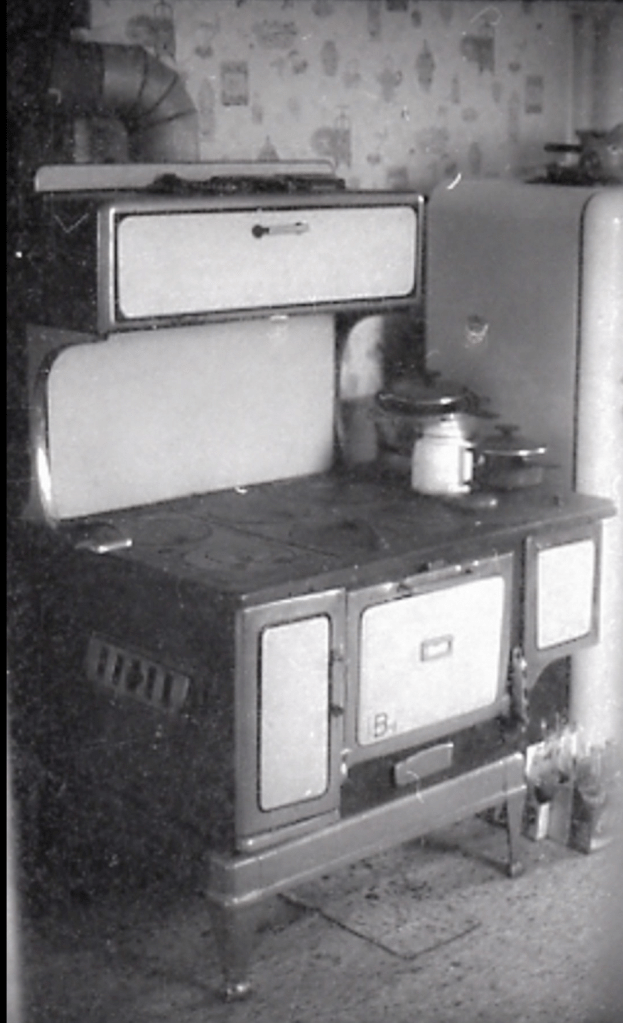
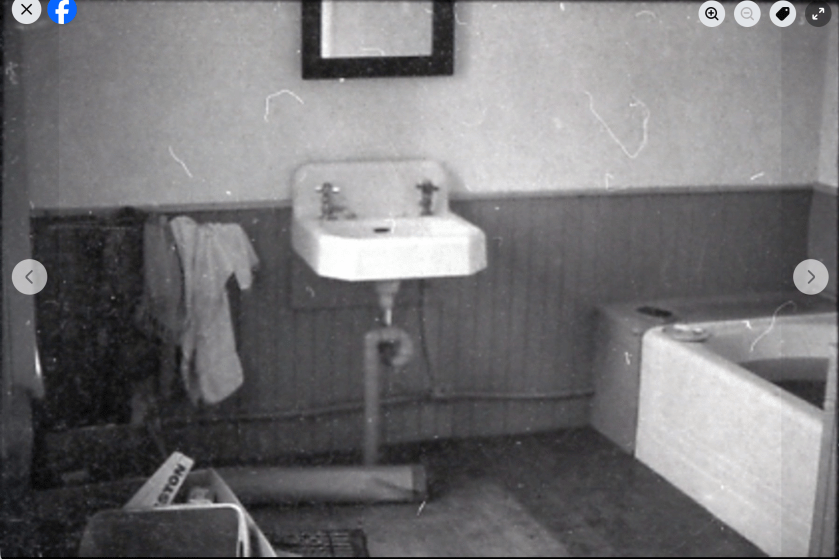
We moved into our 200 year old Nova Scotia farm house in the summer of 1971. While the house was in rough shape, it had electricity (30 AMP service), a small spring providing some water, a functional toilet but not much else in the bathroom, and an old wood kitchen stove with enough wood for a couple of summer months of cooking. We had the basics covered but the house needed a lot of work before fall and winter. The only hot water came from an electric kettle. We were lucky that there was a summer campground with showers (and a fried clam shack) just three miles away.
I bought the place for $6,000 Canadian. At the time the US dollar was worth slightly less than the Canadian dollar. Besides the house, there was a barn in need of a roof, a carriage house, and 140 acres with about 25 of those acres cleared. The soil was heavy clay and the 25 acres had been in pasture for decades. It also came with a huge chicken house that had not been used in a decade. Behind it was a giant pile of well-composted manure.
Going between countries was easier back then. I brought with me four former college roommates who had all except one just graduated from college. As I remember the first power tools we bought were a 10.25 circular saw and a three quarter inch power drill. We also got crow bars, hammers, screw drivers, a sledge hammer, an axe, a bow saw, shovels, brooms, and a ladder. Surprisingly basic tools were our best friends and I image they still are today. There were no nail guns in those days.
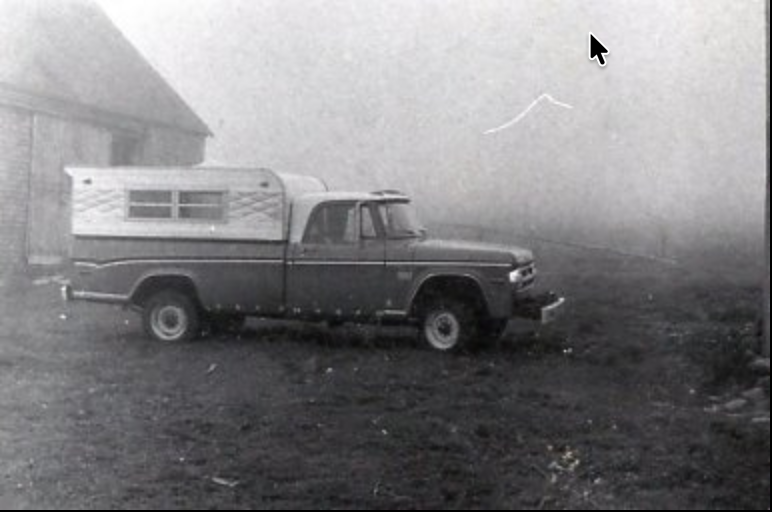
I brought two vehicles with me, a four wheel drive Dodge Power Wagon pickup with an 8,000 lb PTO winch on the front and a Land Rover that would go through almost anything but at a very respectful British dawdle. Considering what some people go back to the land with today, we were pretty well equipped at the beginning of summer. We even had a TV and could pick up two channels most days but CBC Radio was more reliable.
The early part of summer was spent tearing the old lathe and plaster off the walls and putting a new roof on the house which eventually meant tearing down the old chimney and moving all cooking to an electric frying pan and a Coleman camp stove. We actually got the house down to bare walls on the inside and started caulking the cracks and replacing any cedar shingles on the outside that had deteriorated.
The first big decision was how to the heat the house. In spite of over one hundred acres of woodland, almost all of it was small wind blown spruce. Most of the farms along our road had wood lots with hardwood farther up the mountain. Our farm didn’t have one. After a lot of discussion, we decided to put in electric baseboard heat supplemented by a fireplace and eventually a wood kitchen stove. At the time it made sense. High efficiency wood stoves had yet to break into the market.
I became the electrician. I installed our 100 AMP electrical panel and ran wiring throughout the house. At the same time I hired someone to build us a new brick chimney and a stone fireplace. I also hired a local with a backhoe to run plastic pipe across our dirt road to a very good spring. Next I installed a shallow well pump in our cellar along with a hot water heater. I got the water running to the kitchen first. Getting the hot water to our newly planned bathroom in the upstairs of the house was a bigger challenge since we had to build the bathroom, install a toilet, shower enclosure, and sink. It was almost fall before my plumbing efforts got the shower running with zero leaks in the copper pipes.
Once the plumbing was installed and all the electrical wiring was done, we started installing our wall and ceiling insulation. We also started painting the outside of the house after all the shingle repairs. We got some of our tongue and groove pine paneling installed.
As fall approached, I bought a chain saw. I bought the easiest saw to get in the area. It was the first power of the tools to be replaced. I got it right the next time when I purchased a Stihl 028AV chainsaw. The Stihl stayed with me from around 1977 until I retired it 35 years later. The original circular saw and drill were also retired then. Good tools last.
The original chainsaw allowed us to cut a few pickup truck loads of wood each year while we lived in Nova Scotia. There was some hardwood at the edge of one my fields. The wood turned out to be more important than I first guessed when in September 1973, just after I got married, an early season snow storm took our power out for a week.
Early in that first fall, I installed a new refrigerator, new electric stove, a huge chest freezer and an electric dishwasher which was a gift from my mother.
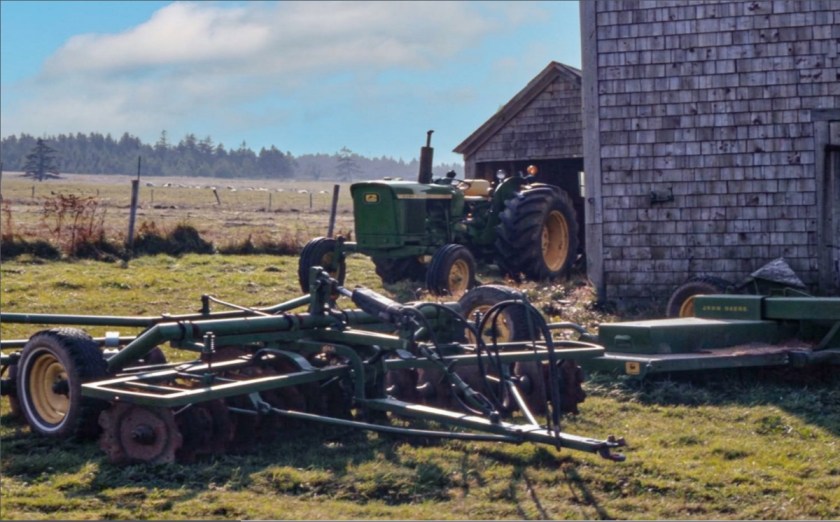
The next phase of the adventure started when at the end of September, I bought a tractor, disc harrow, mower, bush hog, plow, front end loader and manure spreader. They were all tools that would stay with me until I quit farming over a decade later.
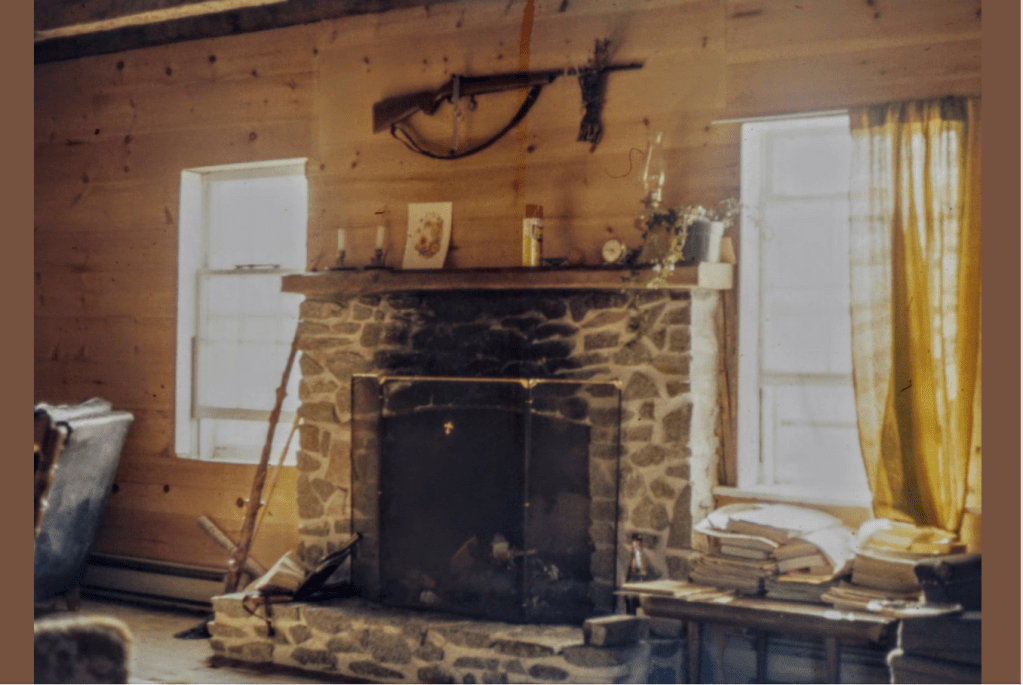
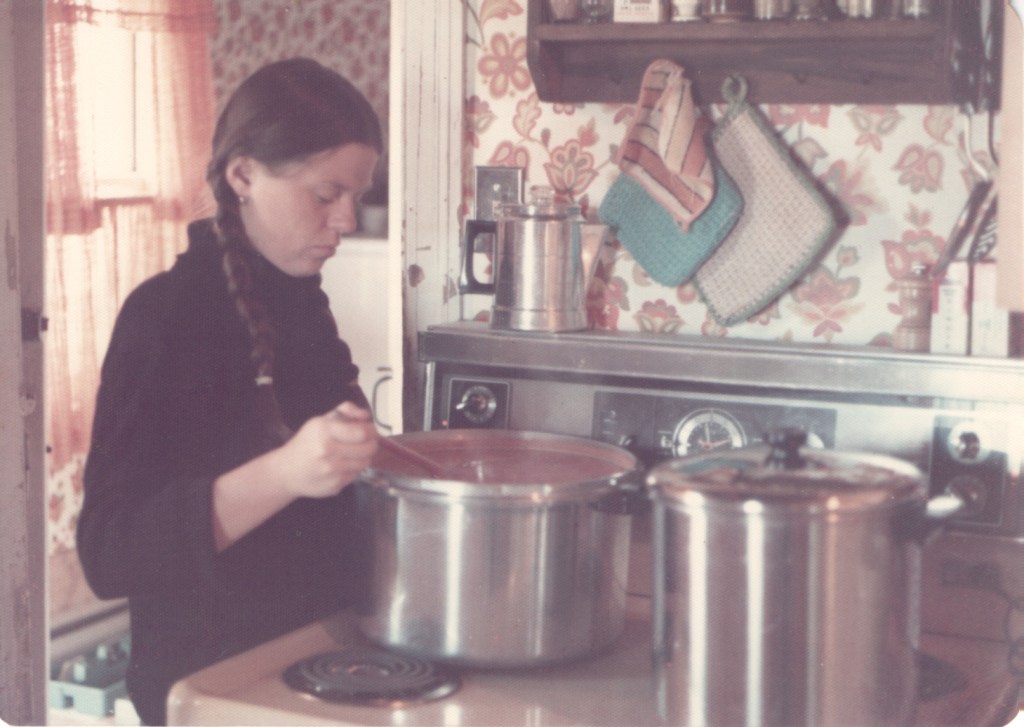
By Thanksgiving of 1971, we had heat, the fireplace, a shower with hot water, a functional kitchen, one bedroom, our great room with a fireplace, and an upstairs still to be finished. Our kitchen cabinets were still wooden egg crates and our glasses were old mayonnaise jars.
That fall more college friends from the states visited us and we managed to cook the first turkey that any of us had ever cooked away from home.


