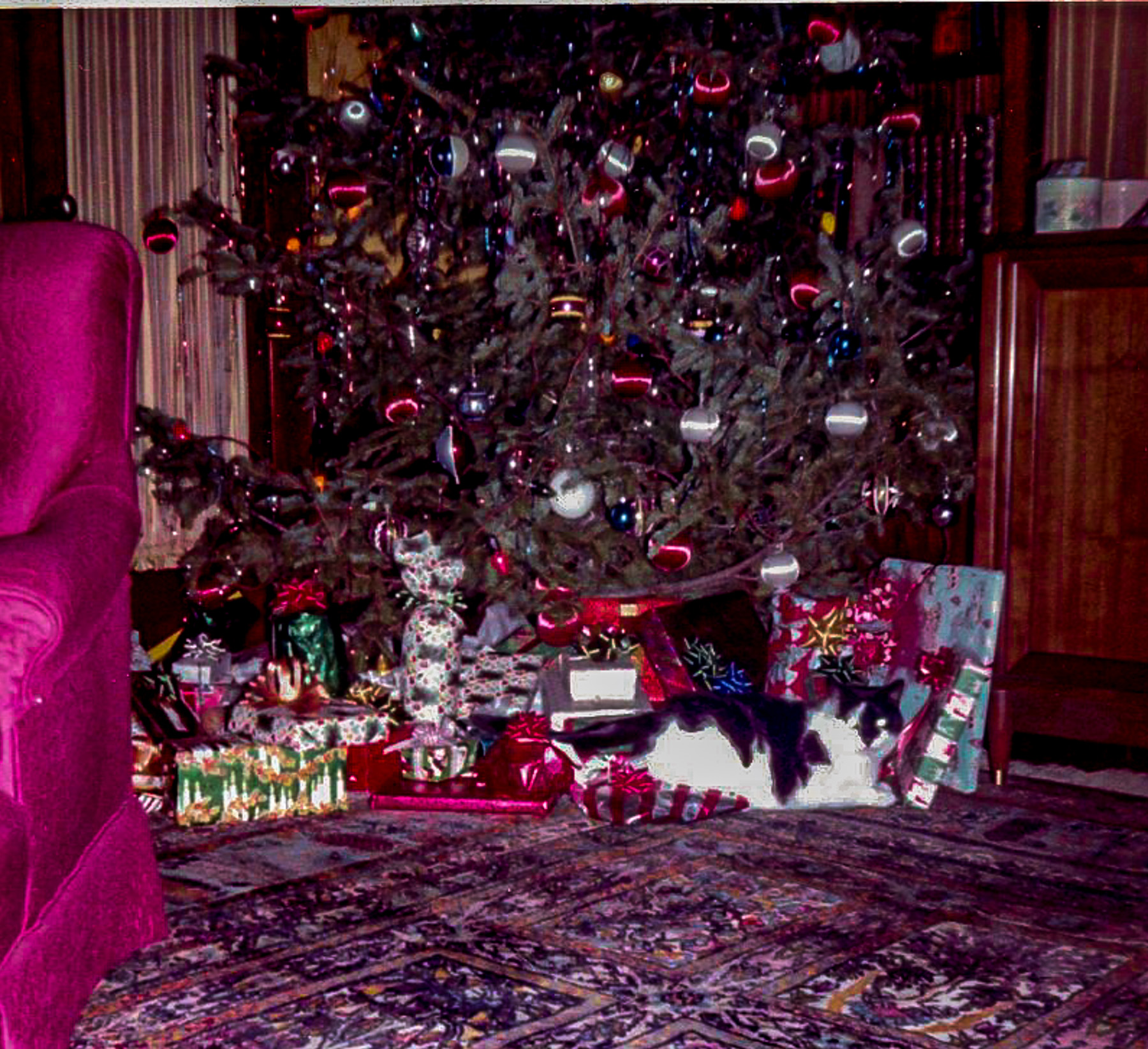
Once There Was Only One Cat Beneath The Tree

My Cat Whiskers, circa 1963 at 347 West Pine St.

When I was around three years old, my single mother and I moved to Lewisville, North Carolina from just across the Yadkin River in Yadkin County. It was where my mother had been born on a mill pond.

Sometime before I was very old, a black and white stray cat found its way to the porch that connected mother’s beauty shop with the rest of the house.  My bedroom, the former breezeway, also opened onto the same porch. Mother told me in no uncertain terms, that I could feed Whiskers but that I could not bring her into the house.

I slid open the screen on the aluminum screen door to my room. It did not take much convincing with food for Whiskers to jump into the house by herself. Technically, i was innocent. I don’t think I got punished. Whiskers was with us until my freshman year in college. When my mother, Whiskers, and I moved to Mount Airy in 1963, my dad fell in love with her. He decreed that she should enjoy a canned salmon and canned milk diet. 

There were a lot of changes in those ten years before I headed off to military school.

I was five years old before there was a television in our neighborhood. I was in grade school before we had a black and white set in our home in Lewisville just west of Winston-Salem. It was a very different time.  Unlike the children of today, we were free-range children, showing up at mealtimes and just in time to fall exhausted into bed on summer evenings

Our doctor made house calls.  We walked to school or rode our bikes. After school, we played pick-up football or baseball. We built forts in the woods and dammed whatever creeks we could find. Getting to go fishing in a farm pond was a huge treat.

(Read More)

Not Enough Wilderness To Save Us

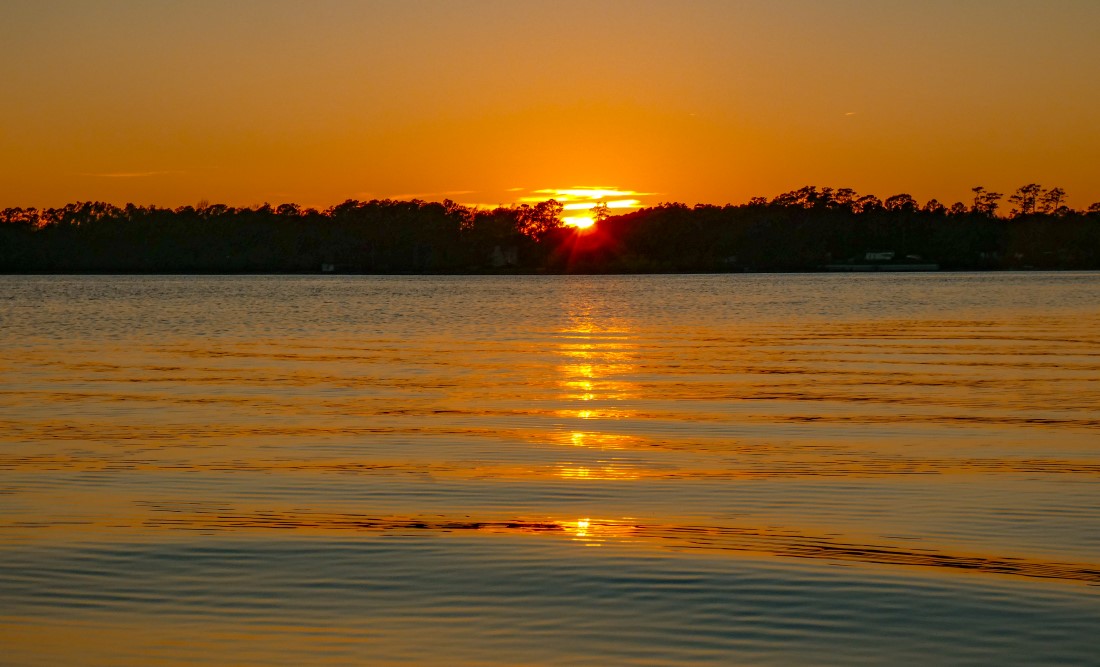
Sunset on White Oak River Near Swansboro, NC

Towns are magnets and they suck people from the countryside, especially the young and talented. We noticed this happening when we returned to New Brunswick in 2012.We farmed there in the seventies and early eighties. Since our trip, what remained of the three churches in our old town disappeared. The community store closed. Yet the provincial capital, Fredericton, is thriving as the small towns wither.  It is a story repeated time and again in Canada and the United States.

I still worry that some of those wild places like the North Carolina coast will become too populated. I sometimes think that what we call the Northern Outer Banks from Corolla to Cape Hatteras will sink into the seas just from the weight of all those beach castles. I offer up my profound thanks for those who created the National Seashores. Beyond nourishing our souls places like coastal Carteret County and hilly Davie County where we now live grow a lot of food that North Carolina cities need.

(Read More)

The Five Shirt Day

My Work Shirt

An overlooked challenge of the pandemic is that it has been very hard on clothing, specifically shirts. I have never been easy on clothing. I have a long history of getting dirty.  When we lived on the farm, my wife, Glenda, was known to sometimes hose me down and make me take my dirty clothes off in the woodshed before I could come into the house. Back in my lawn mowing days on the North Carolina coast, not only did I come in encrusted in dirt from a yard that was more dust than grass at times but I also ended up fishing, walking on the beach, gardening and working at my desk. It all required a lot of different clothes, but I am not sure that I ever had a five shirt day.

The pandemic has made it more challenging to do almost everything except work from home. The statement that clothes make the man or woman has changed to shirts make the man or woman.  With Zoom and Team conference calls, how you look on video is what matters these days and our video cameras only show us from us from the face down to our desks.  So we pay attention to the shirts that we wear.

(Read More)

The Shade Trees Are Still There, We Aren’t

Shade Tree, Mount Airy, NC

I remember well the Sunday afternoons under the shade trees enjoying watermelon or homemade peach ice cream. As children, we played like there was no tomorrow.  It was a simpler time when people could actually talk politics without getting angry.  There was nothing like an old fashioned chicken stew to bring families together in North Carolina’s rolling hills. 

There were no chicken stews that I got to attend during my college years. Those were the especially turbulent late sixties and early seventies and I was far away from North Carolina in Cambridge, Massachusetts.  As I finished my degree in the summer of 1971, I needed to get away from those strange-hued city-night skies where it was impossible to see the stars.

Just as people used to gather under shade trees in North Carolina, friends used to just drop by on Sunday afternoons at our farm for visit. It was a great excuse to stop working and spend some time catching up on the neighborhood news. It was the way people built relationships, established trust and found common ground.  I cannot ever remember discussing politics.

Beyond the impromptu visits, there were community picnics, shared meals, church services (even burials) and work done for the good of the community. All these things made for richer shared lives. When we were on the farm, I never doubted that the community and friends helped us be successful. The support of their communities was essential to success of farming when we had our farm.

That was back in the seventies. The fifty years since then have not been kind to under the shade tree gatherings or any of the other ways that we connected and established relationships.

(Read More)

A Cathedral of Leaves

Trees at Rich Park in Mocksville, North Carolina

Apparently none of the storybook scary tales of danger in the forest ever stuck with me.  In rural North Carolina in the fifties, no one worried about evil happening in the forests that surrounded us. We did not understand it at the time, but the cathedral of leaves where we played immensely enriched our lives. As a fifties explorer of the local woods, I could not make the connection because I had yet to experience any of the great cathedrals of the world.  Now it seems pretty obvious.

In the summertime, we got up in the morning and headed to the coolness of the deep woods. The towering trees and the brooks that ran through them were our playgrounds. We built dams, seined for minnows, made forts, and played elaborate games in the woods. Sometimes we hardly bothered to leave the woods for meals. We barely escaped the trees as dark descended on the forest.

(Read more) This is post number nine in a series of twenty-two designed to get my blog to 1700 posts before Thanksgiving 2021.

We Were Barn Builders Once

The first barn we built on our farm in Tay Creek, New Brunswick, Canada

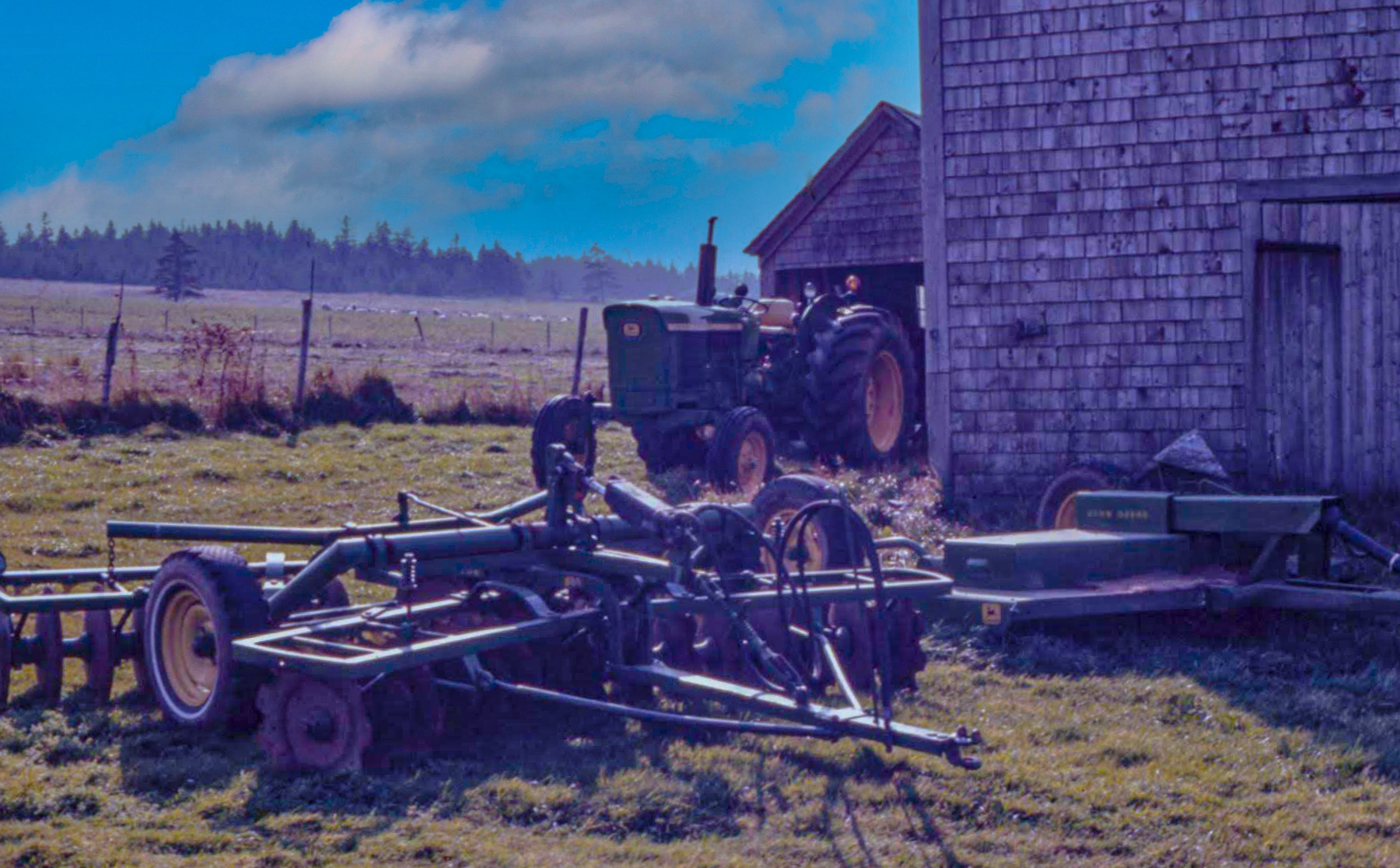
We moved to our farm in Tay Creek, New Brunswick in the fall of 1975. We bought a few cows and they were housed in the old style barn that came with the farm. That spring I went to Manitoba and Saskatchewan and bought a trailer truck load of cows. I had no intention of wintering that many cows in an old style barn. We got a couple of estimates to build a barn. We decided to build a couple of barns ourselves.
While I had learned a lot about working with my hands since I graduated from college, building a barn was not one of those skills. Living on a farm teaches you quickly do what needs to be done even if means learning how to do something new. I ordered all the materials that we needed from Ontario. They were shipped by rail to New Brunswick and then delivered by truck to our farm. The trusses for the barns were 36 ft. long and the others for the other barn were 36 ft. Even getting those trusses unloaded was not easy but it is amazing what you can do with a couple of farm tractors with front-end loaders.
It was harder getting a crew together but a couple of older neighbors agreed to help the two alternative life-style individuals that I hired. They had both come to Canada to get away from American life. I did not care about anything other than they were smart and hard workers. I started by digging a trench four-feet deep as straight as possible for 128 feet. We followed recommendations and made concrete pads to go under each of the four by six pressure treated poles. It was the last time we put pads under poles.
It turned out the instructions we were following were written for building barns in rock-free Ontario soils. New Brunswick soils were mostly rock. There was little danger of them sinking. After the first trench, I decided that we would dig holes with large hydraulic-powered auger mounted on a front-end loader. The advantage of having it on a front-end loader is that I could put down pressure on the auger with the loader so that it would dig more efficiently in the rocky soil. Once the poles were set, we used a tractor-mounted concrete mixer to pour concrete around the poles.
Once the posts were in the ground, it was just a lot of chain saw carpentry cutting the posts off to the same heights. Then we put plates on either sides of the poles. Then the trusses were put in place one at a time. The first truss was the hardest since there wasn’t a lot to brace it with when it was first lifted up. By the time I built the second barn, I had figured out how to improve the construction so that the first truss really was no longer a problem. If you look closely at this picture of the construction of our second barn you can see we put longer posts at the end of the building.
Beyond all the strapping that goes on a pole barn, the hardest thing is putting on the big sheets of galvanized roofing. Often you are way in the air and the only thing keeping you from slipping is the head of a nail. The second barn also got extensions on both sides. We ran out of pressure treated wood so we used cedar posts that came from trees cut off the farm.
The first barn was finished by Thanksgiving (American) 1975. I put the last steel on the barn door before I had any turkey. There a lot of other things that went into making the barns functional like getting electricity to them and of course water. We had to drill a well. I used the backhoe to build a small underground building around the well so I could keep it going in the brutal New Brunswick winters. I dug trenches to put frost free hydrants at both barns.
The finished barns had dimensions of 128 ft. by 36 ft. for the first barn and 69 ft. by 64 ft. for the second one. When I visited the farm back in 2012, both barns were still in good shape in spite of no real maintenance since 1984 when we moved from the farm. They were the only barns that I ever built.
It took at least of couple of years to get the interiors of the barns done so that they met the needs of our growing cattle herd. It was a lot of work but the new barns, a round baler and big farm tractors allowed me to run a cattle operation with 65 or so calving females before we decided to change careers. At our peak before our dispersal in 1982, we had 200 head of Angus, both red and black. The open style barns gave us a very healthy herd of cattle. In the nearly ten years we farmed, we never had a vet visit the farm. We probably had well over three hundred calves in that time.

Turkey Tussles

Our perfect 2012 Turkey

The first turkey that I remember being prepared in our house was cooked after we moved to the Mount Airy house with my dad. The first Thanksgiving at college, I did not come home but I got invited out by a college friend, Jack. We had a wonderful dinner and I got my one and only opportunity so far to sample stuffing with oysters.

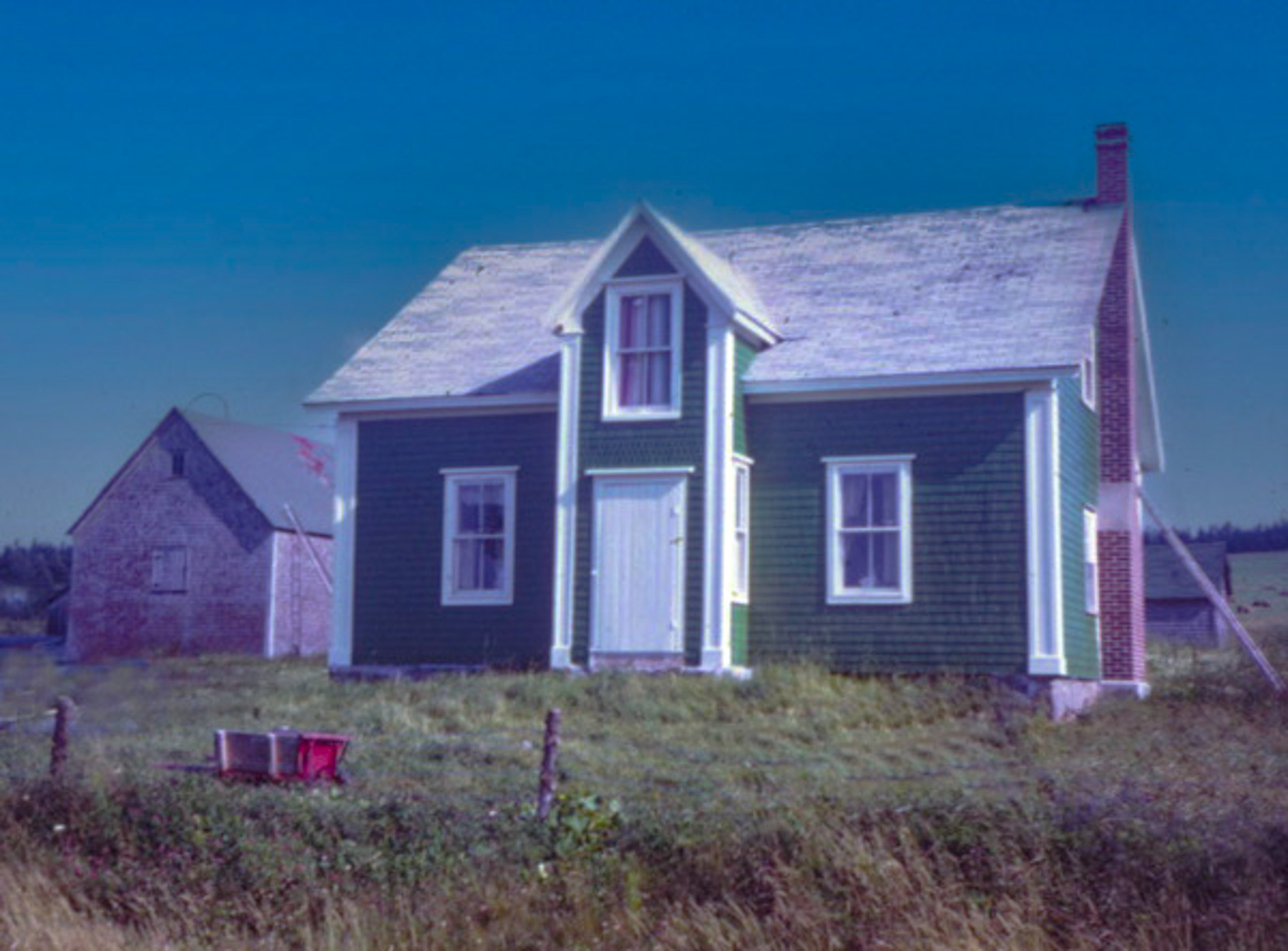
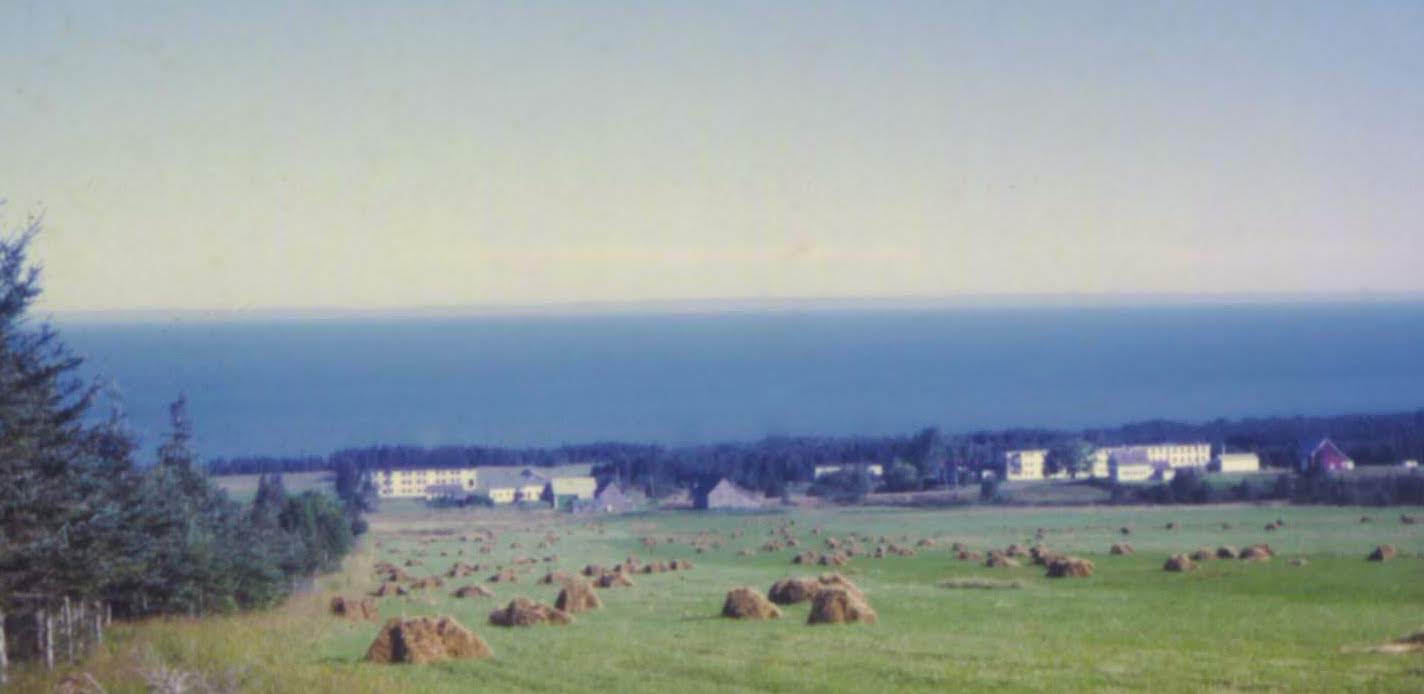
The next memorable Thanksgiving happened after college. I had purchased an old farmhouse with a barn and 140 acres on the shores of the Bay of Fundy in Nova Scotia. Four of us had spent months remodeling the two-hundred year old house with hand-hewed beams. College friends came up to celebrate that first Thanksgiving on our own in the fall of 1971. We bought the biggest turkey we could find and the ladies in the group figured out how to cook it.

Little did I know I was already on the slippery slope to a smaller turkey and eventually just a turkey breast. I never take exception with the cook but I sure do miss those whole turkeys. (Read more)

Dirt On My Hands

Our first off-the-farm garden in Halifax, Nova Scotia, Spring 1986

I farmed for over ten years, but I did not grow up on a farm. I graduated from college in Cambridge, Massachusetts, as those of us who went to Harvard in sixties and seventies are fond of saying. The closest I got to farming there was my focus on colonial American History. My family did have a rich history of being close to the land and my grandfather was a miller and then a dairy farmer. I never knew him.

I grew up with a mother who spent most of her free time digging in the dirt. She loved flowers and they responded to her love. Roses grew for her in places no one else could get them to grow. Tomatoes were the only vegetable that we had room for at my childhood home, but they did incredibly well.

Growing up, the only digging in the dirt that I did was to get worms so I could go fishing. I was completely uninterested in growing anything. That certainly continued through my college years. The change and how it came about are something of a mystery even to me. When it happened is easier. The change happened sometime between August 1971 and January 1972 when I started ordering seeds from a catalog. (Read More)

Finally a Backyard

Our Backyard in the North Carolina Foothills

It seems since my childhood that I have spent much of my life searching for a backyard. I have had hayfields and marshes as backyard but until this last move none were close to the one where I played ball with friends when I was in elementary school. I could plow up part of it for a huge garden but I have been there and enjoyed that when I was a lot younger. Read more.

The First Snow

Our former Roanoke, Virginia home after a good snow in 2009

I have seen a lot of first snows. I have also gone through a lot of years when there was never a first snow. Snow is an unusual thing. How it impacts your life depends a lot on where you live. We have lived in lots of places so our snow memories span everything from flurries to blizzards just as you might imagine.

Back in 1960 when I was in elementary school in Lewisville, North Carolina, I had my first serious experience with snow. In March 1960, it started on my birthday and snowed three straight Wednesdays. We hardly went to school that month. Those storms must have created a powerful pull on me. It took me at least twenty-seven years before I had enough snow to move back from Canada and end my sixteen years north of the border. Read more