Barely Clinging To The Grid

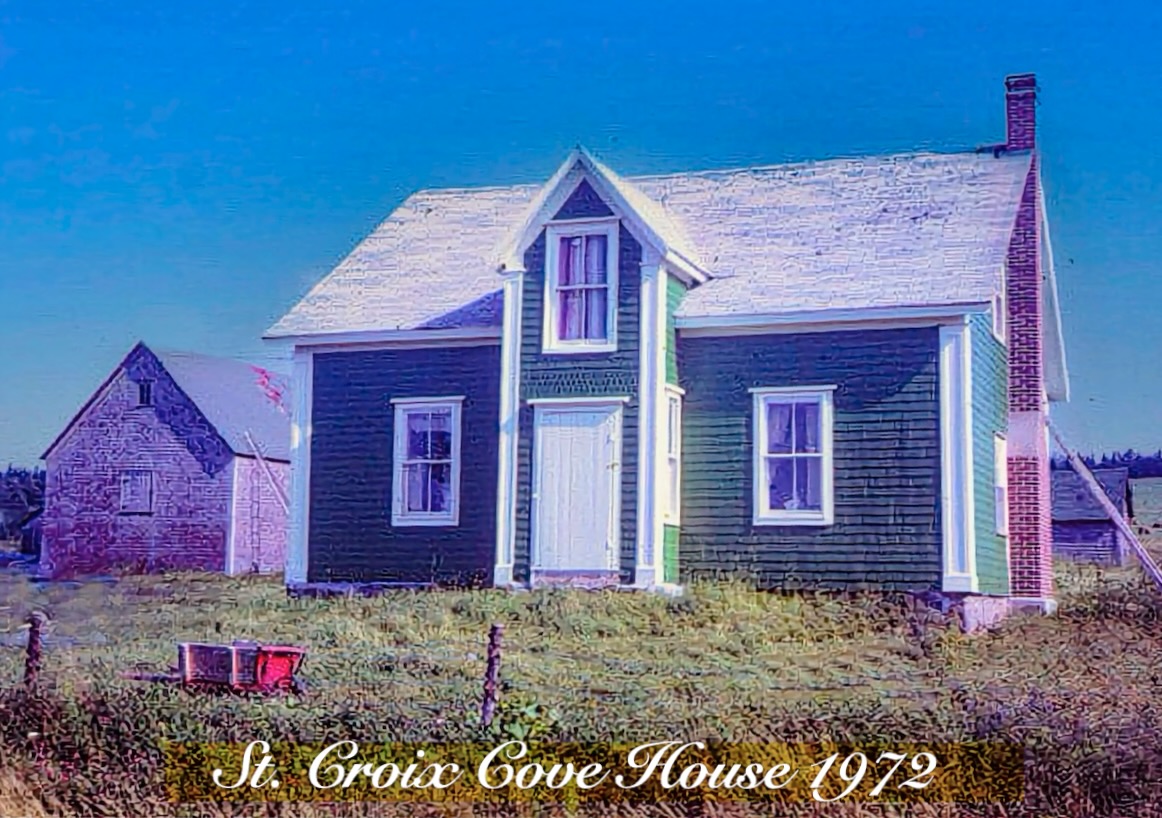
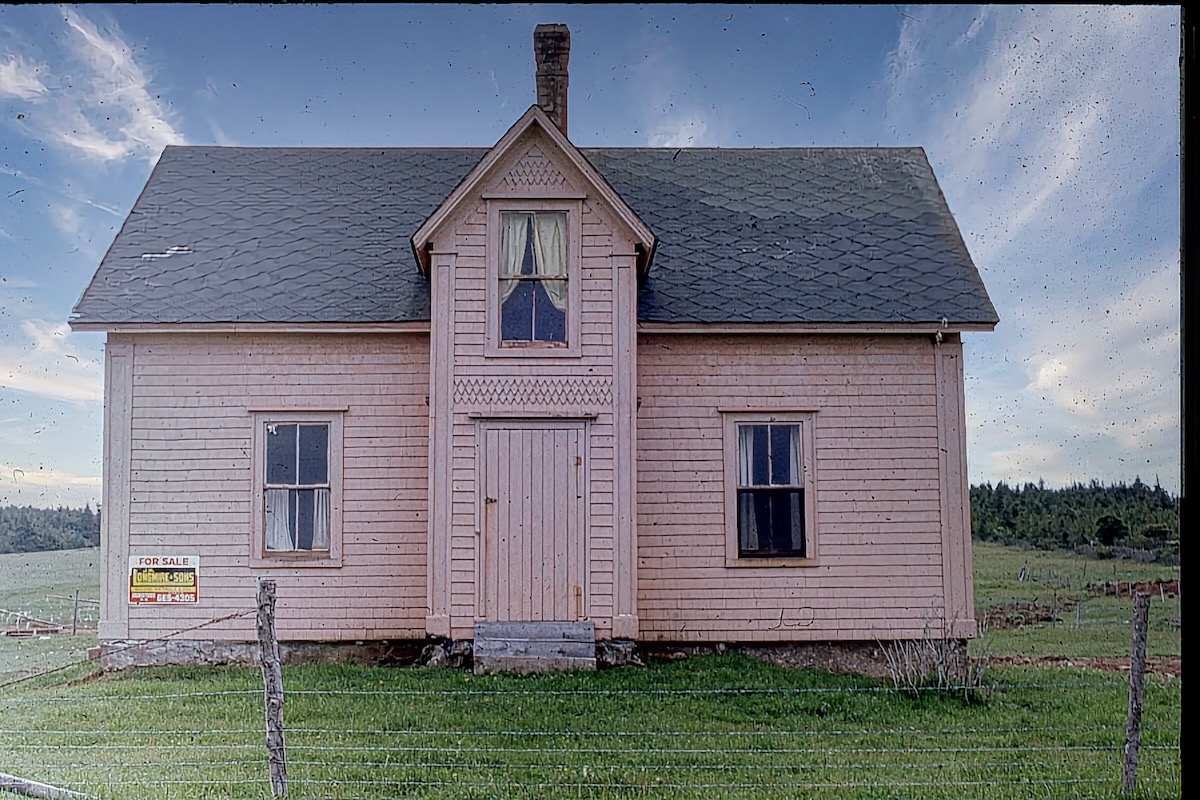
Our formerly pink house after a year of intense work

The dearth of good programming this holiday season has sent me to YouTube where I have enjoyed watching this generation’s homesteaders who would have been part of my generation’s back to the land movement in the late sixties and early seventies.
I was on the fringes of that movement back in 1971 when I bought an old farm including 140 acres, a two-hundred-fifty year old farmhouse (pictured above after a year’s hard work), with a barn and out buildings. I had just graduated from Harvard but had chosen Nova Scotia over law school. Four, also disillusioned, college friends went with me to Canada, but I was the only one to make the commitment to become a landed immigrant. My Dodge Powerwagon and Landrover came with me to Nova Scotia. They carried all that I owned including a TV and lots of spare kitchen utensils from my mother in Mt. Airy, North Carolina.
The pink house in the middle of a sheep pasture was in rough shape when I took possession. We set about tearing it down to the hand hewn beams, insulating it and attempting to bring some modern conveniences to the house. That was probably what set me apart from most in the back to land movement who leaned towards off grid domes, hauling their water, and hand tools for gardening and no modern conveniences,
Maybe it was a childhood in rural North Carolina which was still close to the land filled with small farms that made me different. My mother had been born on a millpond in 1910. I had listened to plenty of her stories of ice being stored in saw-dust insulated holes in the ground and cooking over a wood stove. When I was growing up in the fifties some of relatives still had outhouses on their farms. I also probably had camped in the woods more than most. For whatever reason, I was fine with the conveniences that electricity brought including hot water and a dishwasher. I was also happy to use a diesel tractor on our farm.
I became the electrician and plumber for the modernization of the old house. By Thanksgiving of 1971 we were ready to host some college friends who were sure that we were crazy. It was the first Thanksgiving on our own for all of us. It was pretty rough with everyone sleeping on the floor, a blanket for a bathroom door, chicken crates for kitchen cabiinets, and mayonaise jars for glasses. Still we had an electric stove and a dishwasher. Still it was a great celebration of our independence.
The next year the house was more livable but we poured our energies into gardening and farming. My dad gave me $11,000 to buy a tractor, three furrow plow, disk harrows, front end loader, manure spreader and a bush hog. I took $1,500 and bought our first herd of six or seven cows. We also started refurbishing the old baler that had come with the farm. We converted it to a PTO driven model instead of one powered by a mounted gasoline engine.
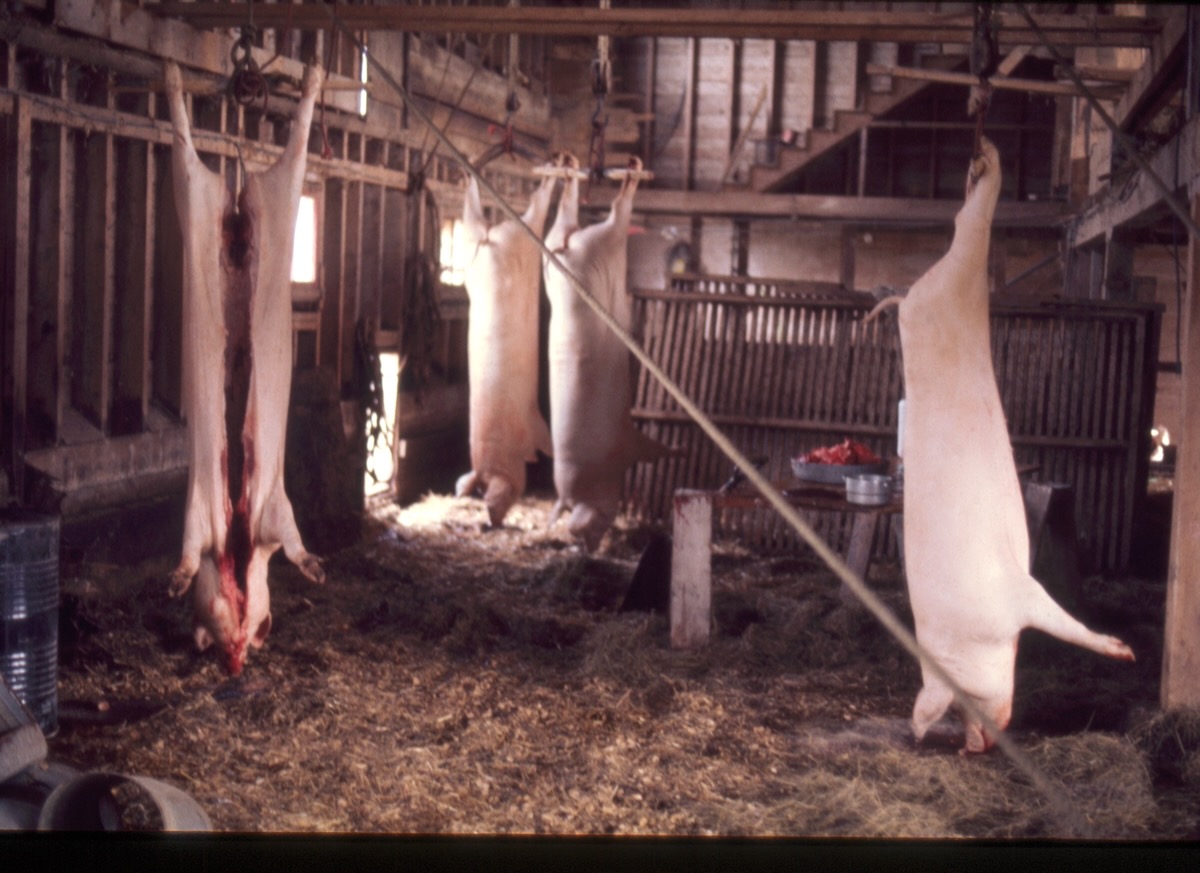
We had unlimited compost from chicken manure that had rotted for years behind some old chicken houses. I had little experience gardening besides helping my mother grow tomato plants in North Carolina. What I did have was inspiration from Helen and Scott Nearing and Malabar Farm. Gardening in Nova Scotia on the foggy North Mountain by the Bay of Fundy required a lot more expertise than in North Carolina. Still the abundance from the garden was overwhelming until my mother and her sister, both experienced canners, showed up to help us through that first harvest. We filled the freezer and the cupboards. That winter we butchered a steer we had fattened from our herd. We hung it age in our cellar before carving it up. The next summer we raised pigs, one for us and three more for neighbors. We butchered them with the help of neighbors in the fall, topped up the freezer and made crocks of salt pork. It was an amazing amount of work that made me appreciate all the fresh pork in the fall that our relatives had always given my mother and me.

That winter of 1972 was something of a lonely one. One member of the college crew married the local school teacher and moved into another old house across the dirt road. The last one of my college friends left for a warmer climate. That left me wintering on the Bay of Fundy with our two Labs, Tok and Fundy, and a handful of cats. I made friends with some back to the land folks who lived far in the woods in a dome. I ordered some supplies with them including a giant tub of honey that was still with me when we moved. Mostly what we didn’t grow came from Beaver Fruit Cooperative in Lawrencetown down in the Annapolis Valley or from itenerant peddlers who sold salt fish and winter vegetables. I say we because that was my last winter alone.
I got married in the summer of 1973 and brought my new North Carolina bride home that September just in time for an early season snow storm that took the power out for a week. We stayed warm with the fireplace and cooked over the same. It was not unusual for the powe to go out on our dirt shore road but a week long outage was rare. That next summer my wife and I continued to garden, work on the house, and farm a little. Farming was a little because I had sold the cattle and part of my land to disolve an uneasy partnership with the friend who had married the village school teacher. Well before garden season my wife and I had made the decision to move to a better farming area with more and friendlier people.
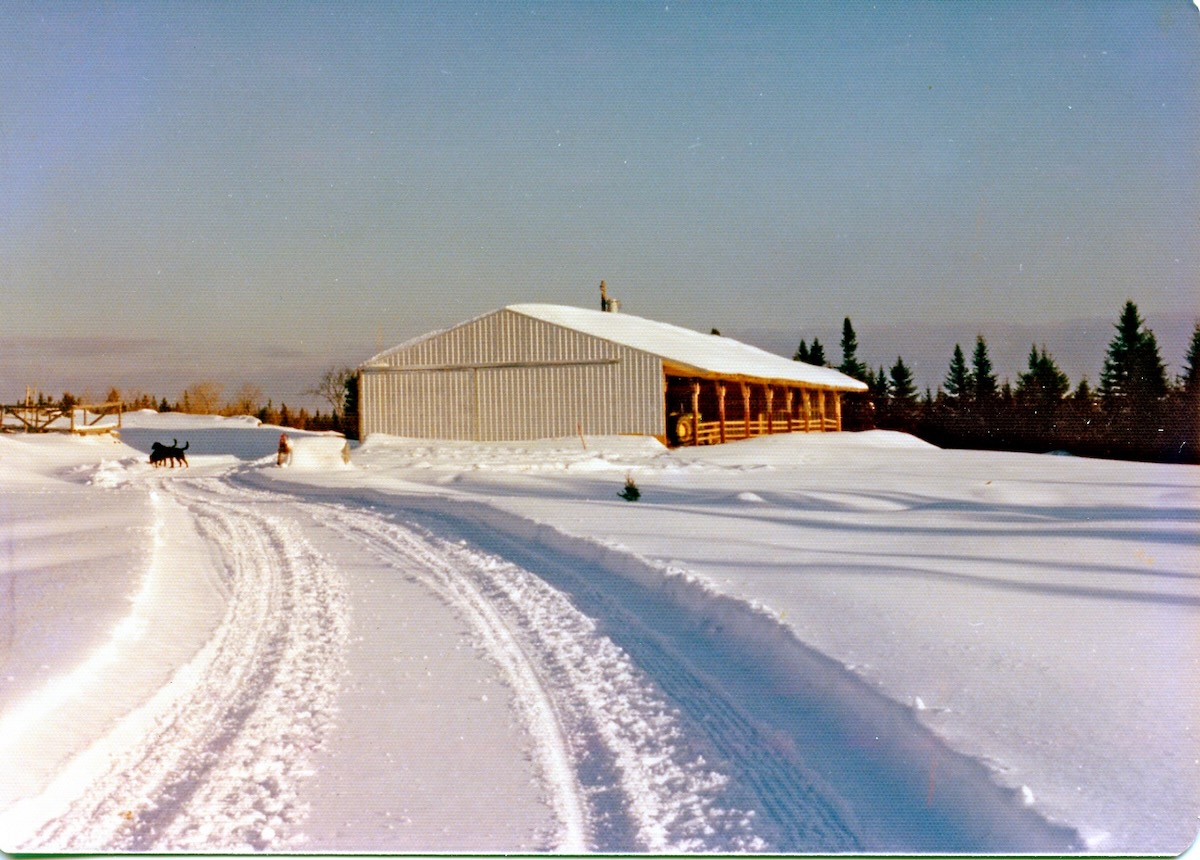
We found the perfect place for us in Tay Creek, New Brunswick. We moved there in the fall of 1974 and started the process of building a real farm with the help of some great neighbors. We built our first barn in 1975 and converted to round bales in the summer of 1975.

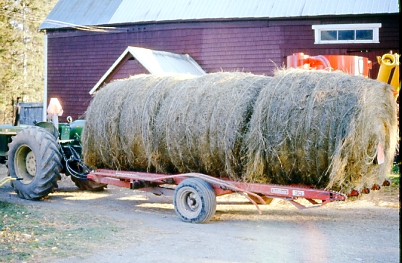
Annually, we put up 200 large round bales for our herd which eventually grew to 200 head of purehred Angus.

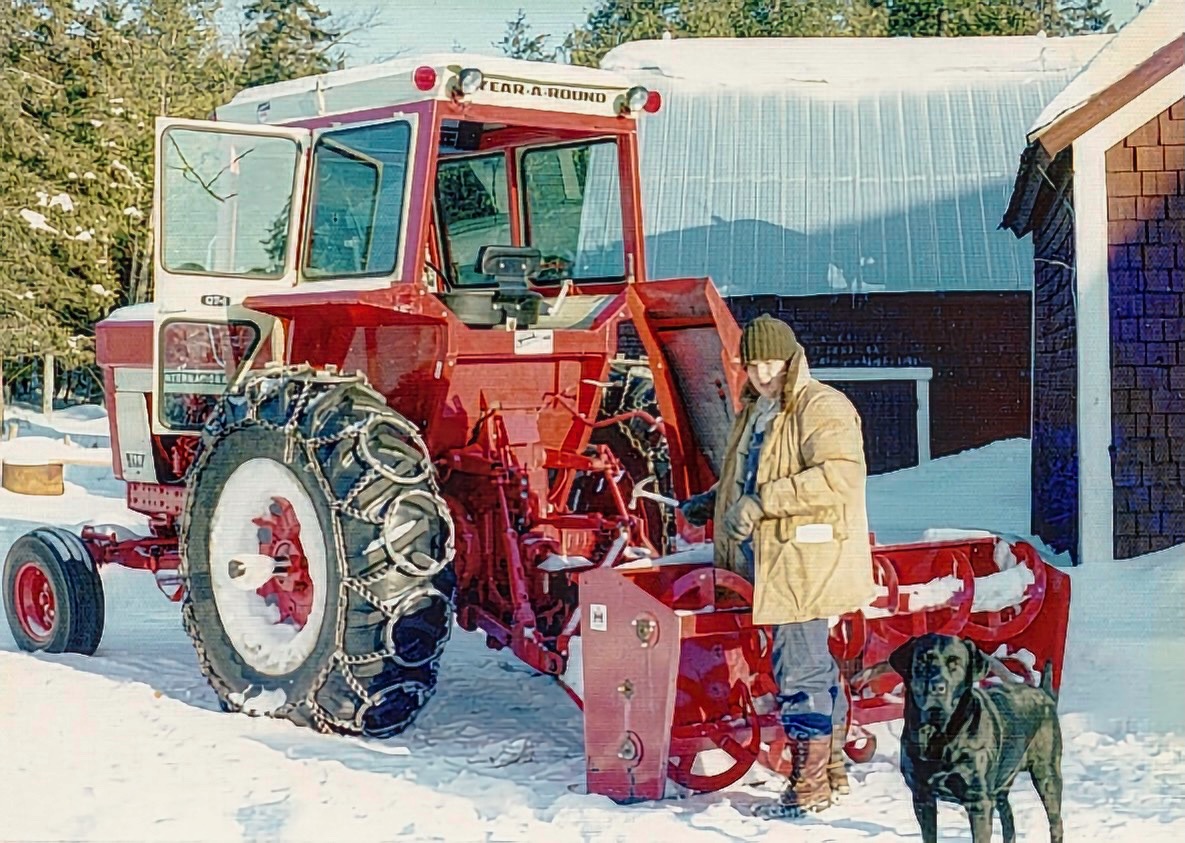
We were actually even closer to the land than we were in Nova Scotia. On our New Brunswick farm we had spring-fed water for our house. We continued to garden, added chickens, and a milk cow. However, we found a local butcher to do our annual steer. We were still on the edge of the grid. Our first winter we got twenty-three feet of snow. We saw weather as cold as minus forty with sixty mile per hour winds. We went back to mostly heating with wood, burning three to four cords per year in our much newer home which was only one hundred years old. It was cold enough that we unplugged our freezers in the shed which was attached to house so you could get wood without going outside. The first winter there I fed hay that had been put up with horses. One thing we did not do is fight snow with tiny all terrain vehicles. A couple of miles of road to keep clear required real snow removal equipment.

Our 85 HP International 786 tractor with 8 ft wide blower, Tok and me with lots of layers

When I look back on it all, I am amazed that we did it without someone getting really injured. There was no Internet or YouTube for advice. Advice either came from a book or your neighbors. I learned to be pretty self-sufficient often repairing broken equipment with my torch and welder. I added chain saw carpentry to my resume as we built the barns. We ran our cattle in the woods in the winter and managed to get through our farming years without ever having a vet come out for a sick animal. We might still be farming if interest rates hadn’t surged to 20% and drove me to working in the city with computers and eventually to a career of nearly twenty years at Apple Computer.

We were never off grid but if your farm doesn’t have any cattle fences in the back because there is no place for the cattle to go, you can justifiably say you were barely clinging to the grid.

Life Sneaks Up On You

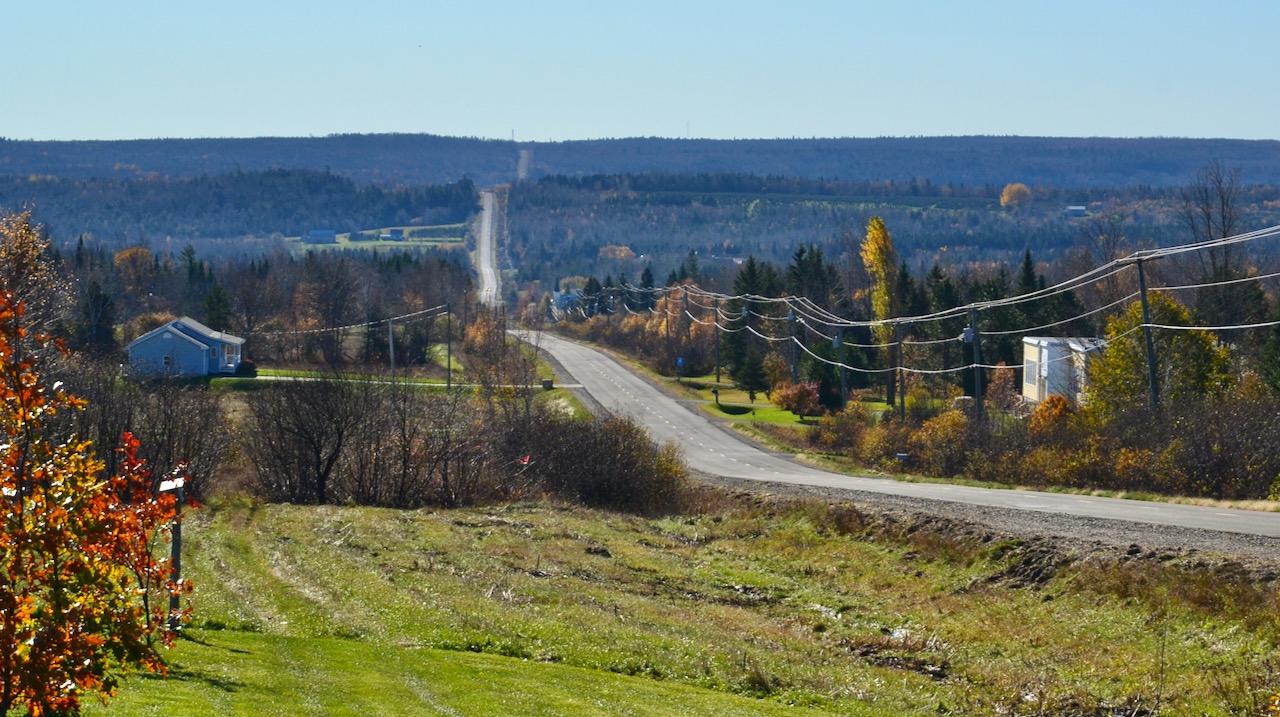
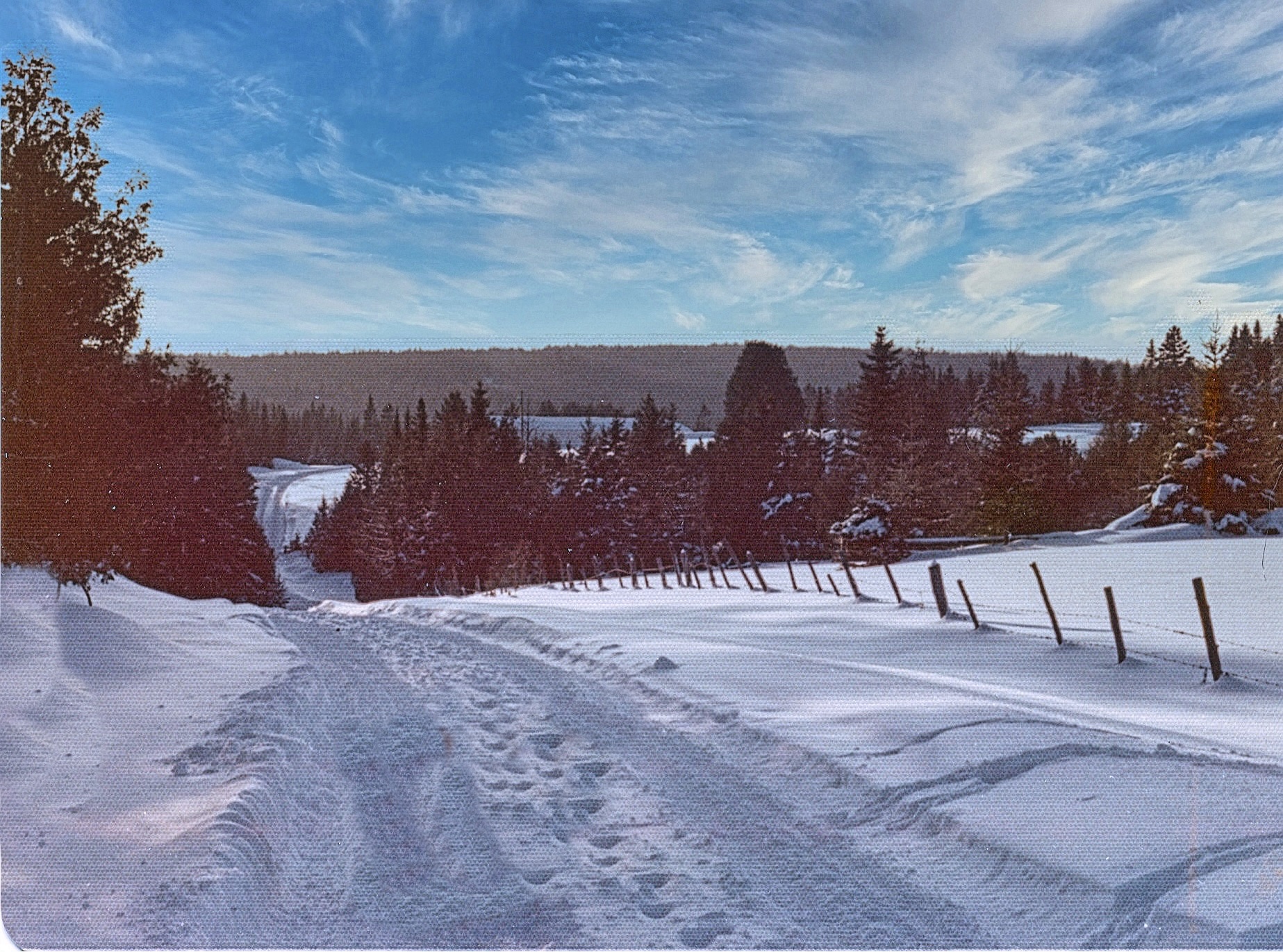
The Royal Road, Tay Creek, New Brunswick, Canada

Just after I graduated college in the summer of 1971, instead of going to Law School, I headed off to Nova Scotia. I was part of the generation that felt strongly about getting back to the land and understanding a lot of things that modern society was hiding from us.

A decision like that is possible when you are young, I believe that as age and life will sneak up on you, it gets much harder to go off on your own in a wild adventure as you age. How older people have done it, remains a mystery to me.

Eventually, I got married and my wife and I moved to what I considered a real farm or at least one that I believed that I could make into a modern farm. We never really gave up all modern conveniences like many back-to-the-landers. One of the first things that I installed in our Nova Scotia farmhouse was a dishwasher. I also put one in our home in New Brunswick. I plowed my garden with a John Deere tractor not a horse.

The road in the picture ran 20 miles back to Fredericton, the capital of New Brunswick. We were lucky to have schools, churches, a couple of general stores and medical services in our little community of Tay Creek. Forty years after we left, the churches and general stores are gone. If you want to buy gasoline or a nail, you have to go to Fredericton.

Taking on building a home for your family in an isolated spot which at the time was subject to amazing snow storms is something you only do when you are young and your body can take on almost any challenge. In my twenties and thirties, I never doubted that I could do everything for my family aside from medical care and schooling. Plumbing, electrical wiring, installing appliances, those were expected of the folks who lived beyond the city. There was no one to hire to mow a yard or even change faucet. While we had an oil furnace, most of our heat came from a wood stove. The furnace would come on during the early morning hours as the house cooled. Our water came from a spring. Our food came from our garden, our milk cow, chickens and cattle herd.

As nice as the life on your own in the hardwood hills of New Brunswick was, it was non-stop work. It was ten years before we went on a real vacation. After we left the farm, we mostly lived in suburbs. Seven years after leaving the farm we were in subdivision on the side of a mountain in SW Virginia. For many years I kept the steep slope behind the house clear of brush and small trees. It meant working with a chainsaw on a hill where I could barely stand. Fortunately, I never got injured. It was another activity reserved for youth.

By the time we got to our next house twenty-four years after leaving the farm, the strenuous work was down to mowing the yard, keeping our skiff running, and hurricane preparation. Good preparation for a hurricane often meant the cleanup afterwards was relatively easy. A storm like Hurricane Florence meant extra cleanup for everyone in the area no matter how much you prepared. The older you get, the harder all that is. Polywood outdoor furniture is nice until you have to haul it all into the garage.

When we moved from the coast in 2021, my wife and I were both over seventy. We were far from our children and family. Our house had too many steps and we were both tired of the hurricane routine in spite of never having any real damage to our house.

My wife had almost five acres of raw farmland which was a hayfield in Surry County. We briefly considered building a home there, but quickly decided that we were too old for all the work needed to build a home so we found a great subdivision with public sewer, water, and fiber Internet. Moving to North Carolina Piedmont close to where I grew up has turned out to be a wise decision.

We are glad that we moved when we did. We have friends our age that would like to move from the coast but have decided that they are too old to try. I can relate to their feelings. Getting our coastal home ready to sell and moving with our four kittens was not the easiest thing that I have ever done. I am pretty sure that three years later, I would be reluctant to move again unless I just had to move.

You don’t think about these things when you are young and can handle anything. Life can sneak up on you. It is good to plan a little for the time when you can no longer take on the world with one arm tied behind your back.

Someone Lives Here

My First Home on the Bay of Fundy after a year’s work

I was  gone most of the summer of 1970, it seemed like the most logical thing to do after all the college protests.  A roommate and I drove to Alaska and we returned barely ahead of the snow and just before school started. When we came back I was determined to find some land away from the big cities of the East.   In the spring of 1971, I wrote to the Longmire Real Estate agency of Bridgetown, Nova Scotia, about a farm and land on the shores of the Bay of Fundy.  The property was advertised in the Sunday Boston Globe.  At the time there was only a print version of the paper and reading the Sunday paper was something many of us really enjoyed. The trip to look at the place sealed the deal.

Though the details took time to work out, I ended up the owner of 140 acres, a two hundred year old house, barn, and carriage house in Saint Croix Cove. That first piece of land and buildings cost around $7,000. The view of the Bay of Fundy was spectacular.  The picture at the top is the house after a year’s work. This what it looked like when I bought it.

First Home when I purchased it in 1971

When I bought the house, it was in a sheep pasture and had not been lived in for years. The old chimney went quickly. We also tore out the insides down to walls and hand-hewn, pegged six by sixes that framed the house. It was a huge undertaking  Still after a year it looked a lot better, was insulated, had heat, hot water, a new kitchen and a shower

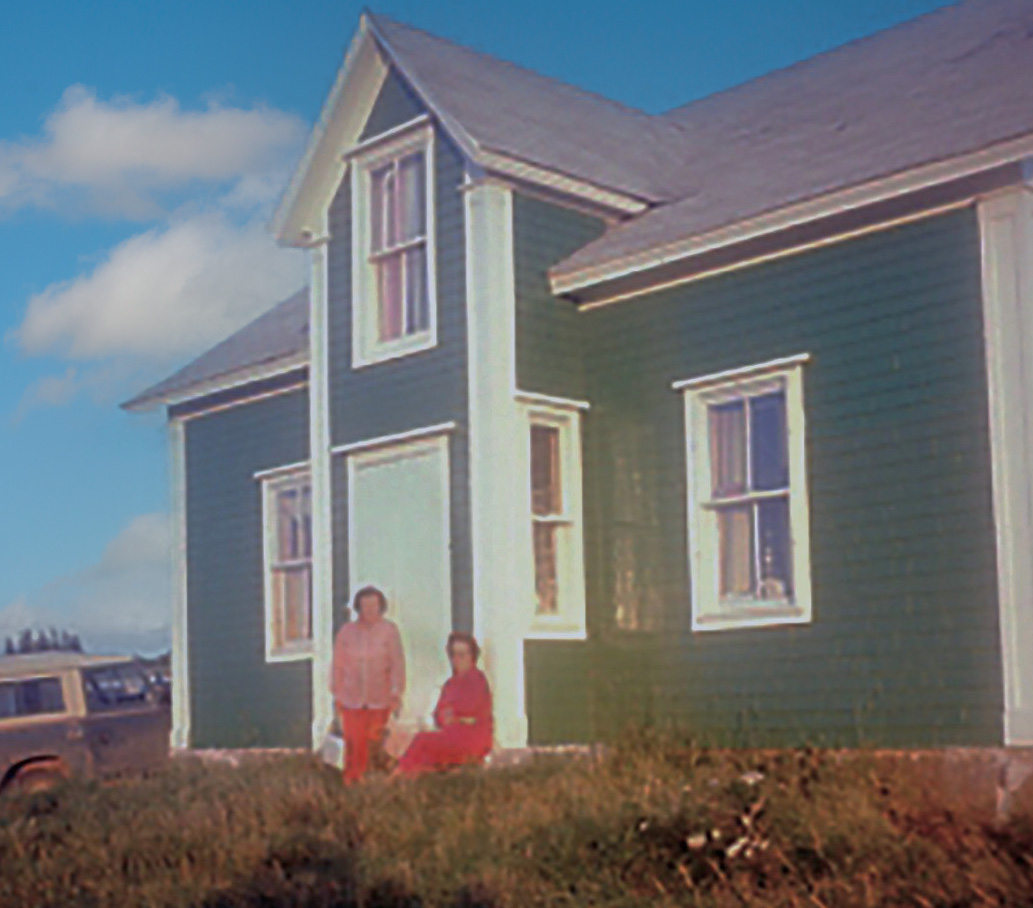
Even with all that work I am not sure it looked like someone was living there all the time. My mother and her sister came up and worked on the house during the summer of 1972  and stayed with us for a couple of weeks but most of their time was spent on canning and freezing produce from the garden.

My Mother and Her Sister Visiting in 1972

The next summer, I made a trip to Boston to help an old college roommate get married. Then I headed south and stopped in Washington, DC to spend a short time with another college friend that I enjoyed. From there I went home to Mount Airy, North Carolina.  My mother was always scheming to keep me at home a little longer. She arranged a blind date with Glenda, a young lady from UNC Greensboro.

It was one of those love at first sight dates. I cooked Lobsters for our first dinner together. The next day we picnicked  on the Blue Ridge Parkway. When she headed back to her apartment in Greensboro, the plan was that she was going to drop me off at the airport on the way but few other than my mother would be surprised that we never stopped there. We spent a magical few days in her apartment.  About sixty days later after Glenda made a trip to Nova Scotia to check things out, we got married.  She wasn’t in Nova Scotia long before she started making our home look like someone was living there.

My wife, Glenda’s first flower bed in St. Croix Cove, Nova Scotia

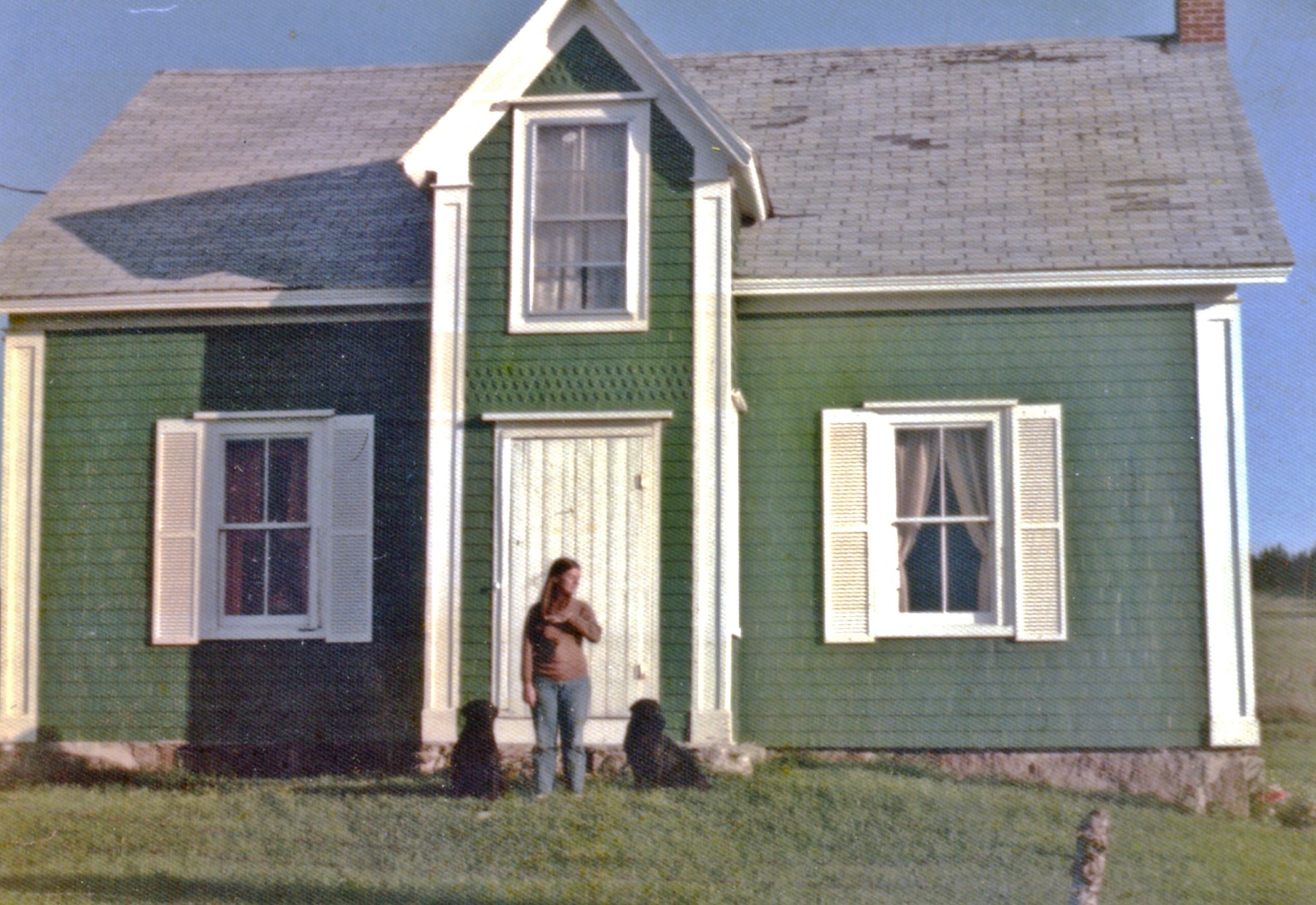
It didn’t take long for flowers to be added.  During my mother’s next trip, Glenda and my mother decided we needed a lawn mower which they got on a trip to town by themselves. In short order the yard look like a normal yard.

Our St. Croix Cove home after Glenda had tamed it and won the hearts of Tok and Fundy

We moved from the green house on the shore road in the fall of 1974.  We needed better farmland if we were going to be successful. It was less than a year before our next house looked like someone was living there.

Our Tay Creek Farm House the first summer there 1975

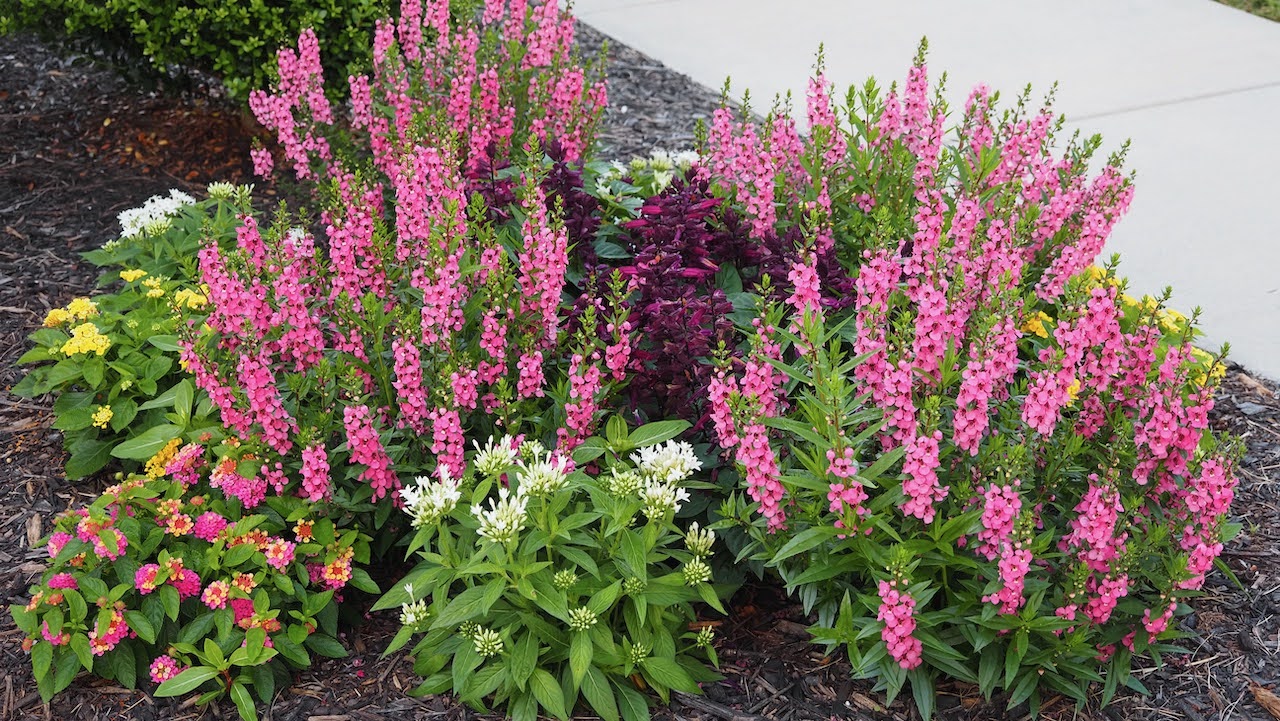
The picture above was taken in 1975, almost fifty years ago. If you stretch your imagination, you might come close to imagining how many flowers have been planted in the name of making our houses look like someone lives in them over those forty-nine years.  Last summer’s (2023) flowers are pictured below.

Summer of 2023’s front flower bed at our home in Mocksville, NC

My mother was probably 84 years old when she had to give up planting flowers and tomatoes. For the next six years until mother moved in with us, Glenda would go down in the fall and plant a huge bed of pansies that my mother could watch grow from fall through spring. It was something that made mother smile. When we are in our eighties, I hope we have someone willing to add a little beauty to our lives when we can no longer plant it ourselves.

My Glenda amending the soil in Nova Scotia with some well-rotted chicken manure
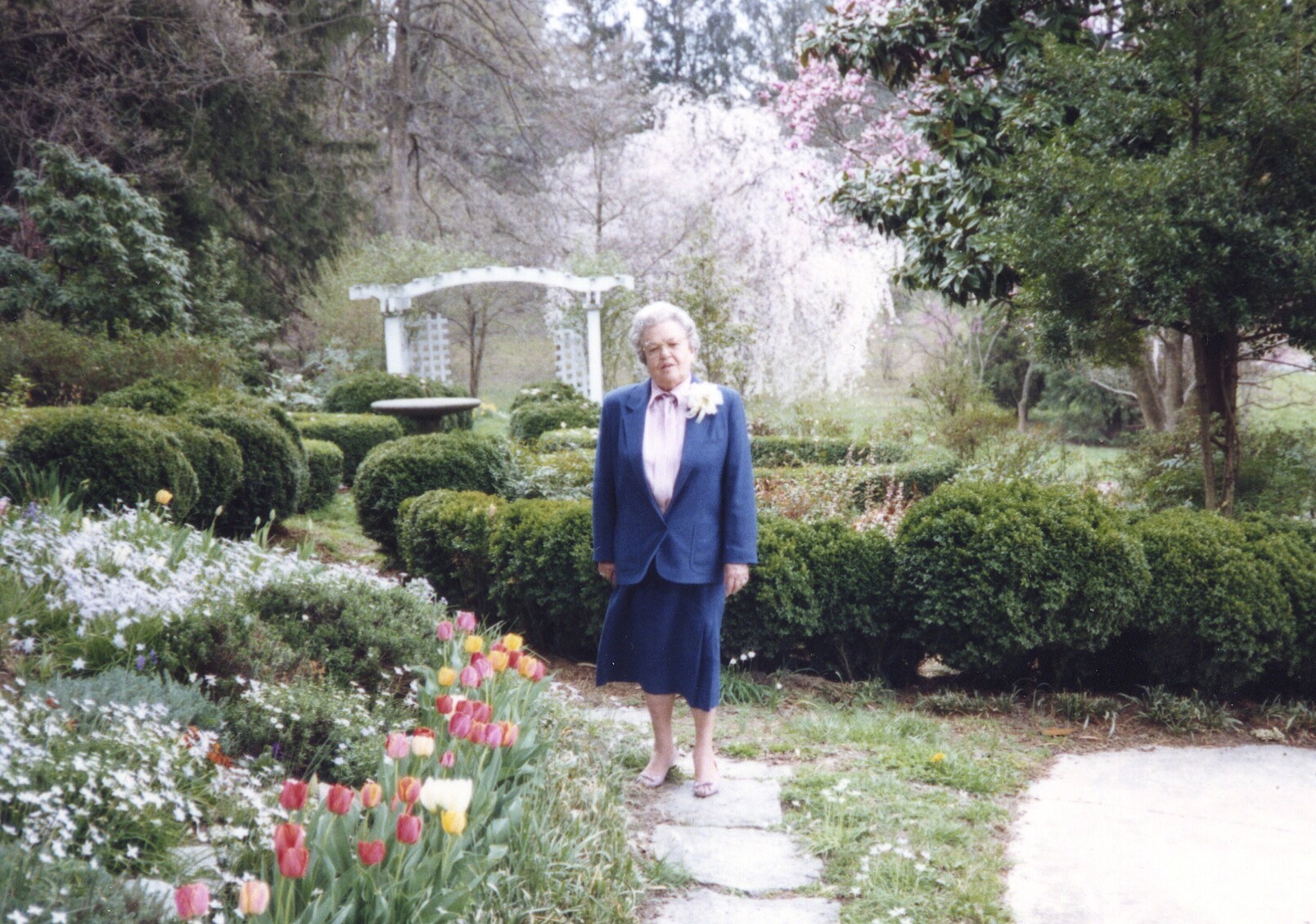
My mother watering her azaleas in the seventies when she started renewing the gardens
Mother in the gardens in eighties
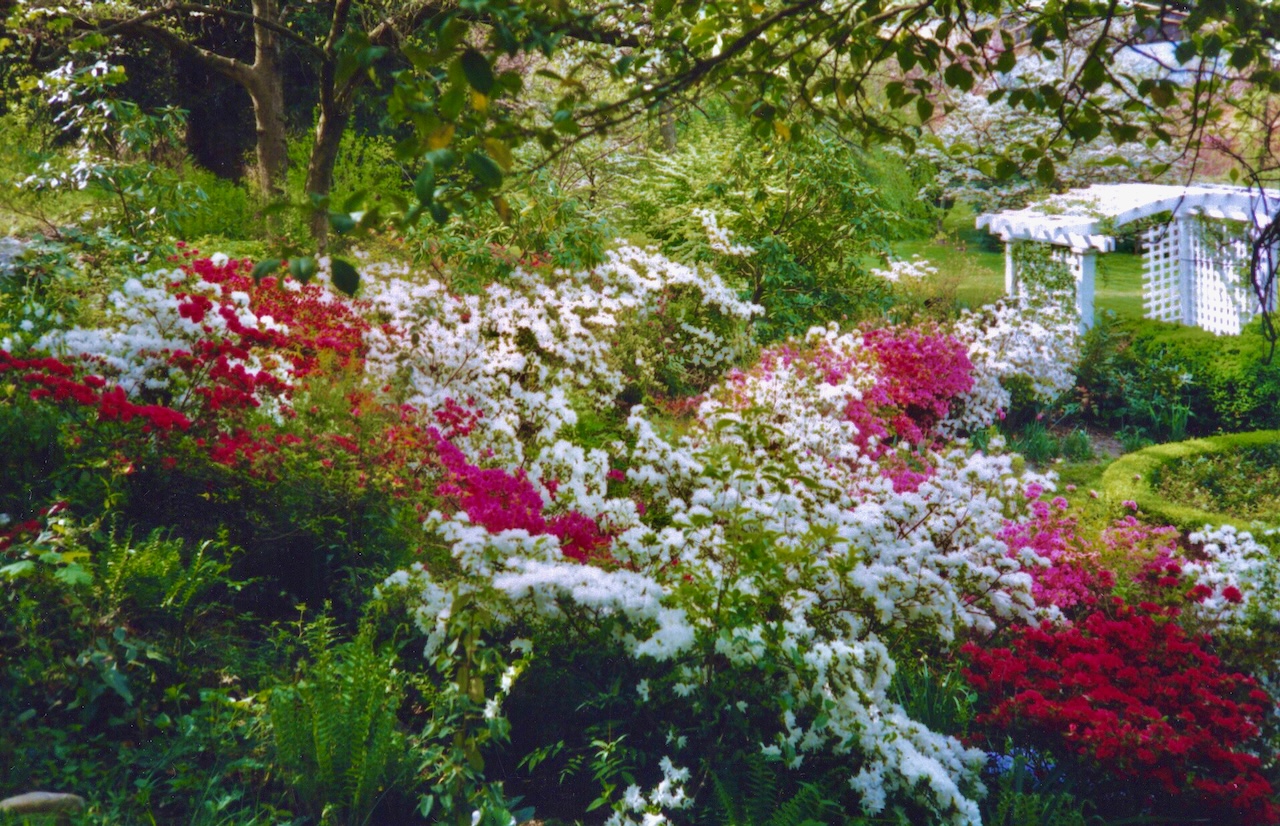
Mother’s azaleas just before she moved in 2004

Mowing Your Way Through Life

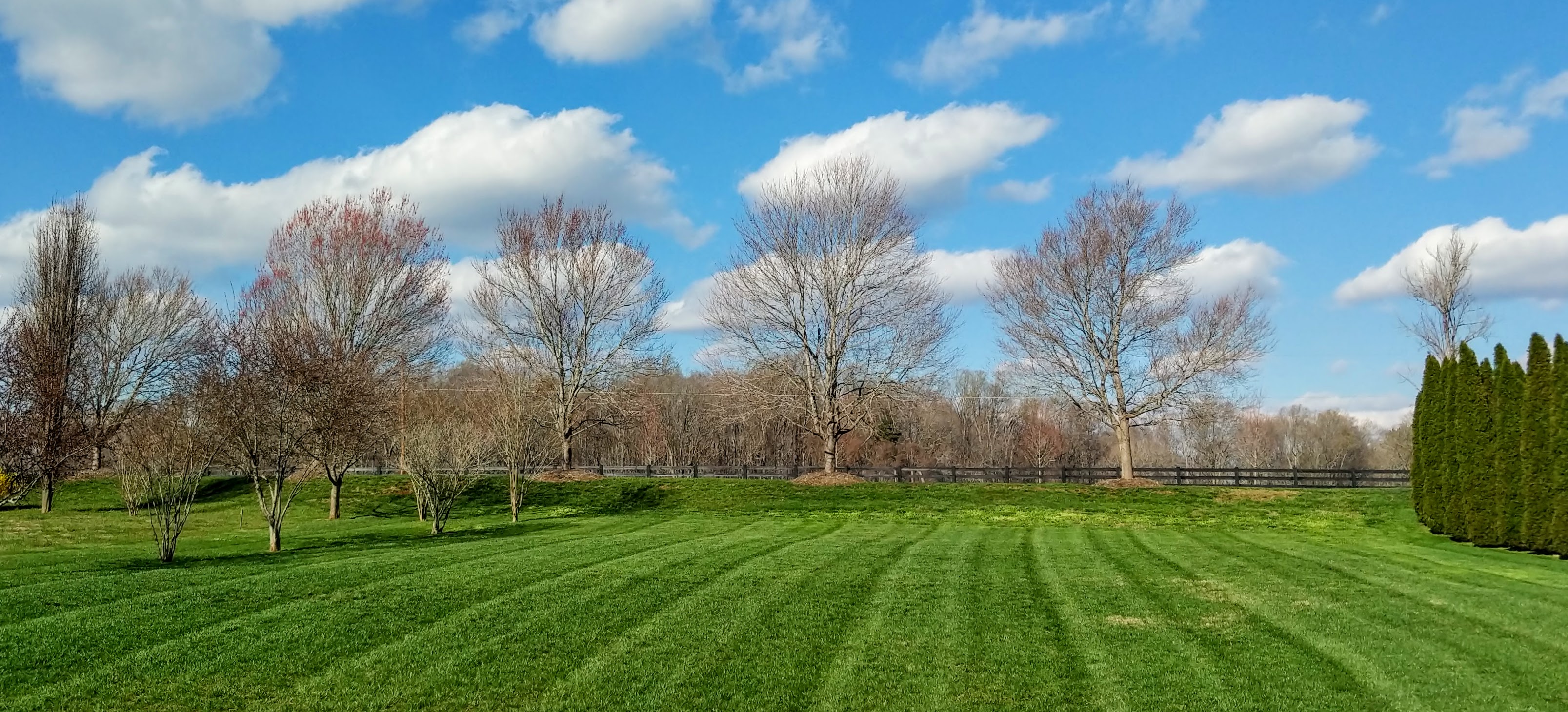
Our Backyard In Davie County, North Carolina, March 2022

How did people manage in the first half of the twentieth century before there were yards to connect them to the soil around their homes? I suspect that they were working in their gardens and fields. By the time I was growing up in the fifties in Lewisville, North Carolina, yards had become important. The condition of our grassy yard often stood between me and a trip to my uncle Henry’s fishing ponds. My mother who claimed the only yard she had as a child was packed dirt swept with broom straw wanted our yard neatly clipped. In driving by our old home, I am little disappointed the town did not put in sidewalks in front of our house during my youth. It would have eliminated the slope on the front yard. It was by far the hardest part of the yard to mow as a youngster.

Going away to military school (high school) and then college got me out of mowing yards for almost a decade. My first home after graduation was a two-hundred year old farm house located in a sheep pasture on the Fundy coast of Nova Scotia. No sheep came with the old farm house but long grass did not bother me as a young farmstead owner. When I first moved there in the summer of 1971, the yard was the least of my worries. Getting hot water plumbed in and running so we could stop taking showers at the local campground was close to the top of the list. The second summer I had a tractor with a nine-foot-wide bush hog which I used to mow around the house a couple of times a summer. That was all it needed in my days of being single. After all, I mowed plenty of mature grass or hay, starting with the twenty acre field behind the house which served as one of the few backyards in my life away from home.

Then came the summer of 1973, and I married Glenda, the love of my life from the world of well-manicured yards in North Carolina. Her mother often mowed their yard twice, the second time against the grain, just to catch any grass that might pop up after the first mowing. Sometime during the summer of 1974, Glenda and my neat-lawn-loving mother who was visiting us formed a conspiracy. They drove down the mountain to Bridgetown ten miles away and came home with a Toro push mower. I spent much of the next forty-forty years sharing the task of mowing whatever yard happened to be attached to our personal home.

For the ten years or so when we lived on our farm in Tay Creek, we had a nice riding lawn mower which was adequate for much of the yard. Even Glenda did some mowing. When we lived in Halifax, our yard was postage-stamp sized. By the time we arrived on the mountain in Roanoke, Virginia, I had come to somewhat enjoy mowing. There are those times in your life when something as simple as mowing a yard can be very satisfying because you can actually see what you have done.

One of the immutable laws of mowing is that the farther south you live, the more miserable the task of mowing can be. Sometimes, even the most careful home yard person can end mowing in the oppressive heat of the day like I did more times than I want to admit after we moved to the North Carolina coast. As I wrote then, there is a true brotherhood of Southerners (both men, women, and teenagers) who have mowed yards when they never should have.

Mowing is one of those circular things in life. In your early years, you are too young to push a mower, so it seems fitting that in the later years of life, it is also okay to be too old to push a mower. You come to a point when you are faced with either hiring someone to mow the yard or buying a riding mower. Since I spent many years straddling a John Deere farm tractor, we chose not to revisit those days after a back problem slowed me somewhat. For a couple of years, I shared the task with our mower of choice, choosing the spots that required a push mower for myself. However, it was an easy transition to giving it all up. When we made our 2021 move from the land of coastal centipede grass back to the fescue grasses of the Piedmont, we left our third Toro mower with the father and son team that was doing our mowing. I even gave them my gas-powered trimmer.

When our current mowing team shows up, I know the noise will be over within a few minutes as opposed to the hours that it would have taken me with a push mower. I still enjoy our green space especially the backyard which is the nicest we have had since that twenty-acre field that came with our first home. Now if the backyard were just a meadow.

The Ghost I Knew

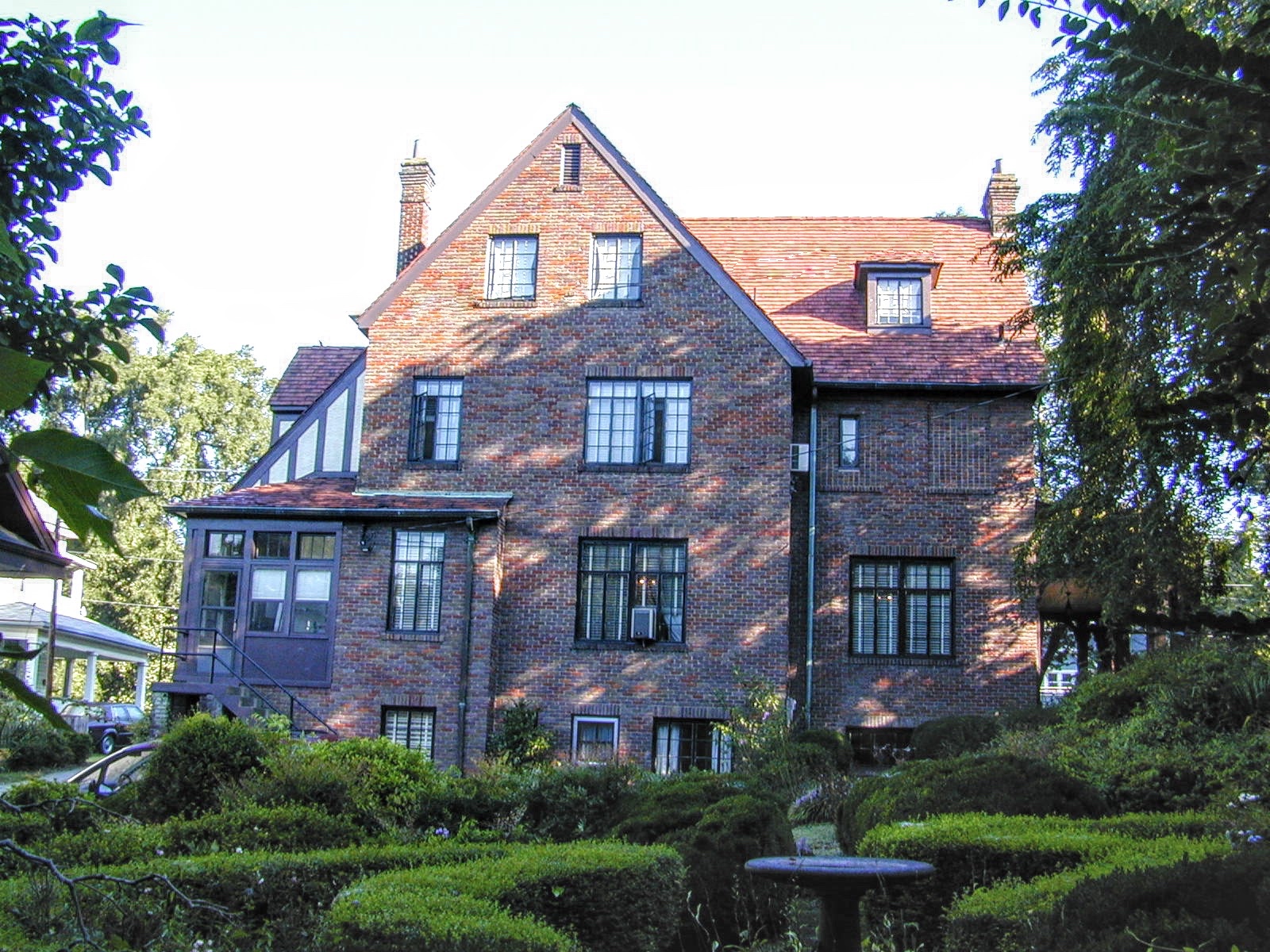
The Pine Street House

You cannot have a ghost story without a spooky, somewhat mysterious house and where I grew up in rural Forsyth County was nothing like that but things change.

A little mystery also helps with ghosts and there was plenty of mystery in my life in the fifties. The house also had a lot of history, some of it gruesome which is certainly helpfully when looking for ghosts. Many of stories that the house’s four walls could tell never got fully explained to me before everyone who could explain died. Some the questions that I wanted answered never got addressed because no one wanted to talk about them.

Upstairs above the floor with the bedrooms was a full stick-framed attic complete with walnut banisters. If ever there was an area that could house ghosts along with mysterious steamer trunks, this attic was it

(Read more)

Finally a Backyard

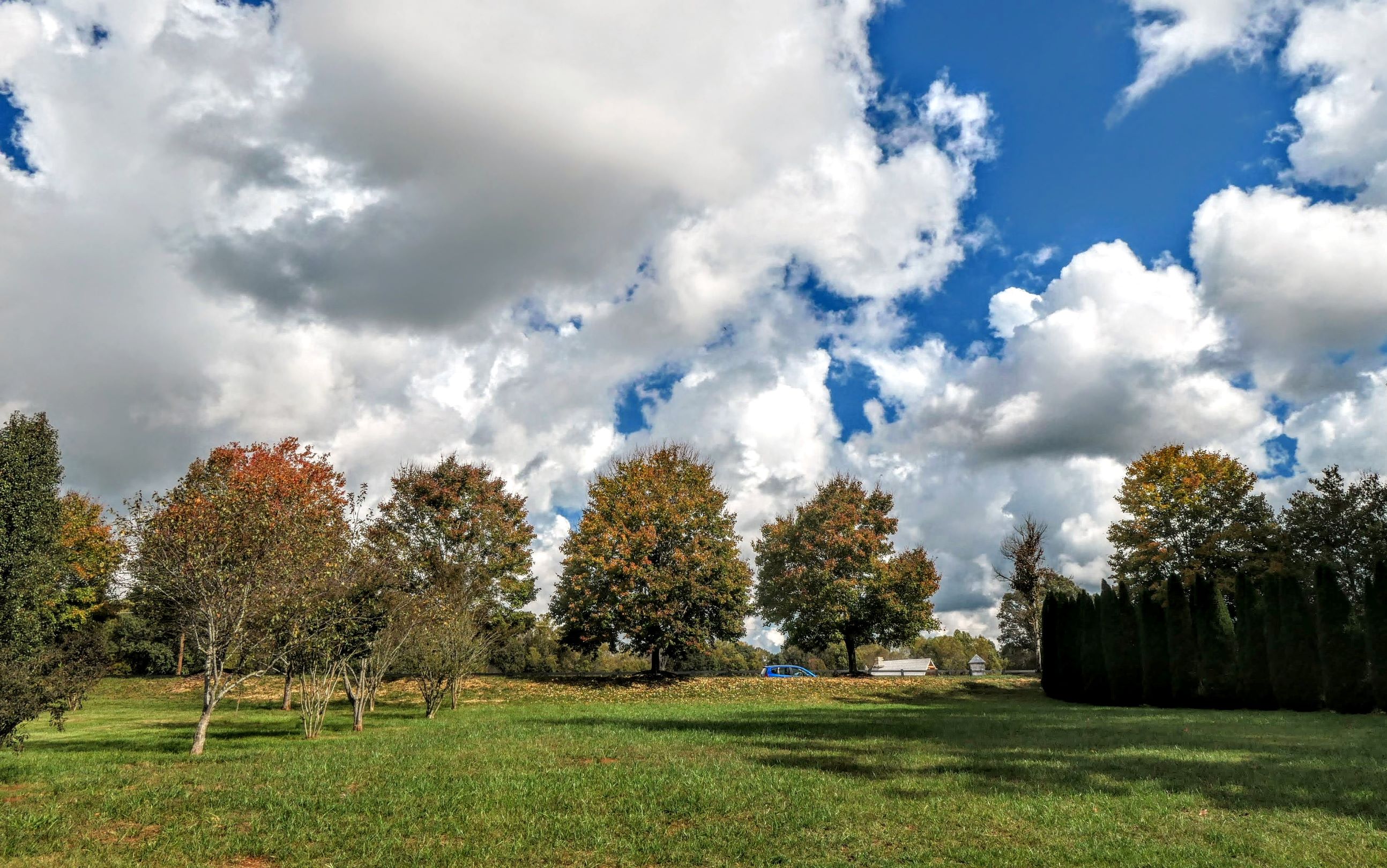
Our Backyard in the North Carolina Foothills

It seems since my childhood that I have spent much of my life searching for a backyard. I have had hayfields and marshes as backyard but until this last move none were close to the one where I played ball with friends when I was in elementary school. I could plow up part of it for a huge garden but I have been there and enjoyed that when I was a lot younger. Read more.

Our Pandemic Move – Life Lessons – Part 1

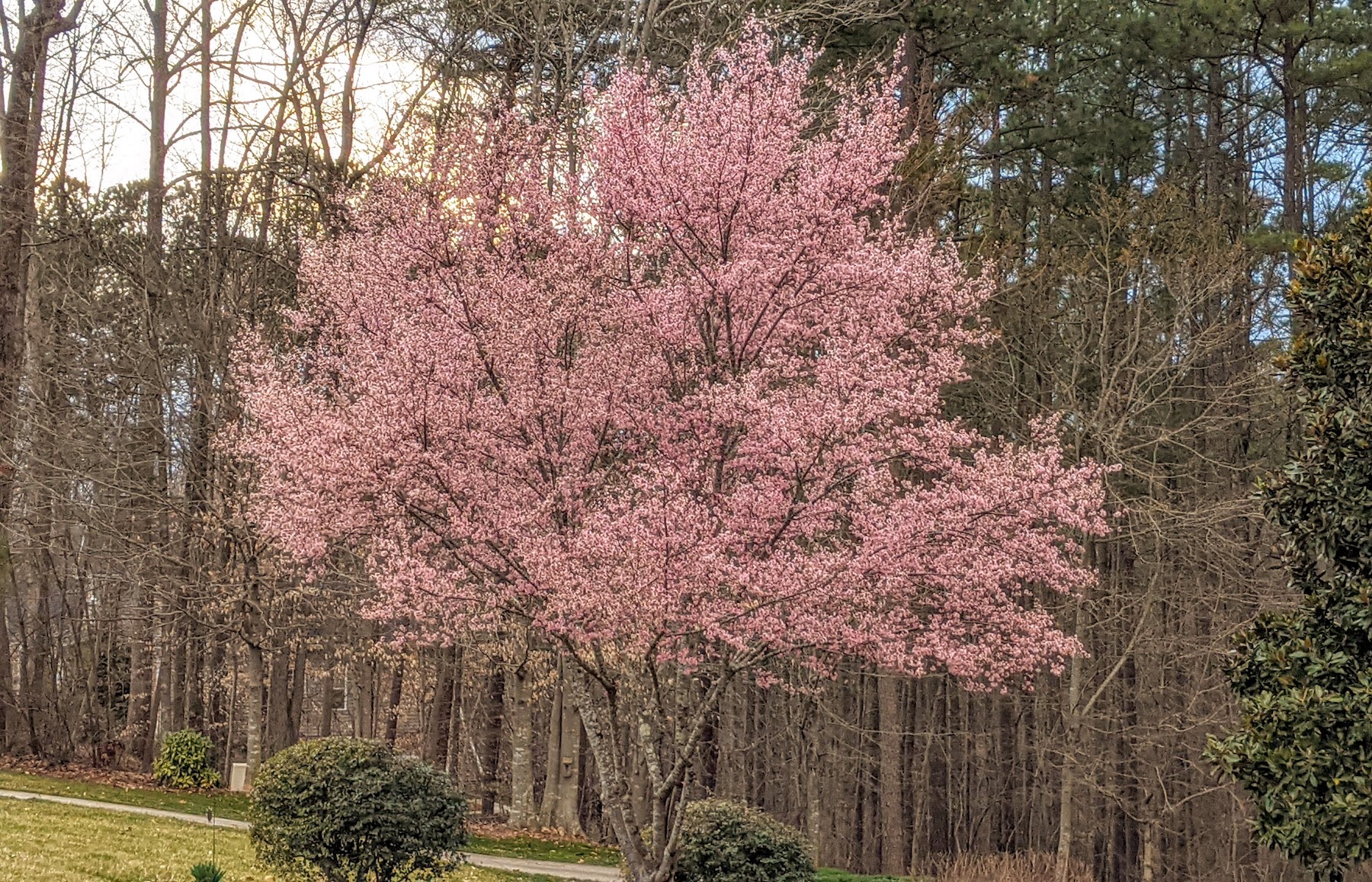
Early spring blooms in our neighborhood near Mocksville, North Carolina

Moving is never easy, but moving during a pandemic is a real challenge. However, we did and learned a lot – even some minor things like it makes sense to take paper towels and paper plates with you when you are huddled in the safe zone of your hotel room. Most of all, this move reaffirmed the value of working with a great real estate agent. While technology made the move possible. Our great realtors actually made it happen. Read more at this link.