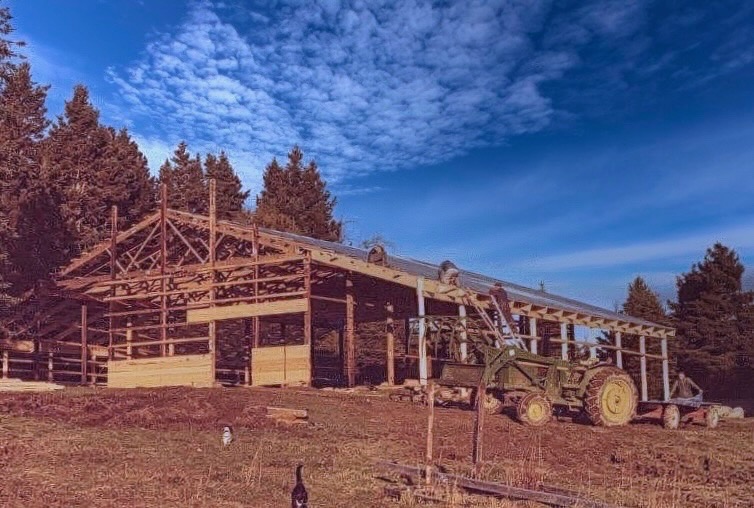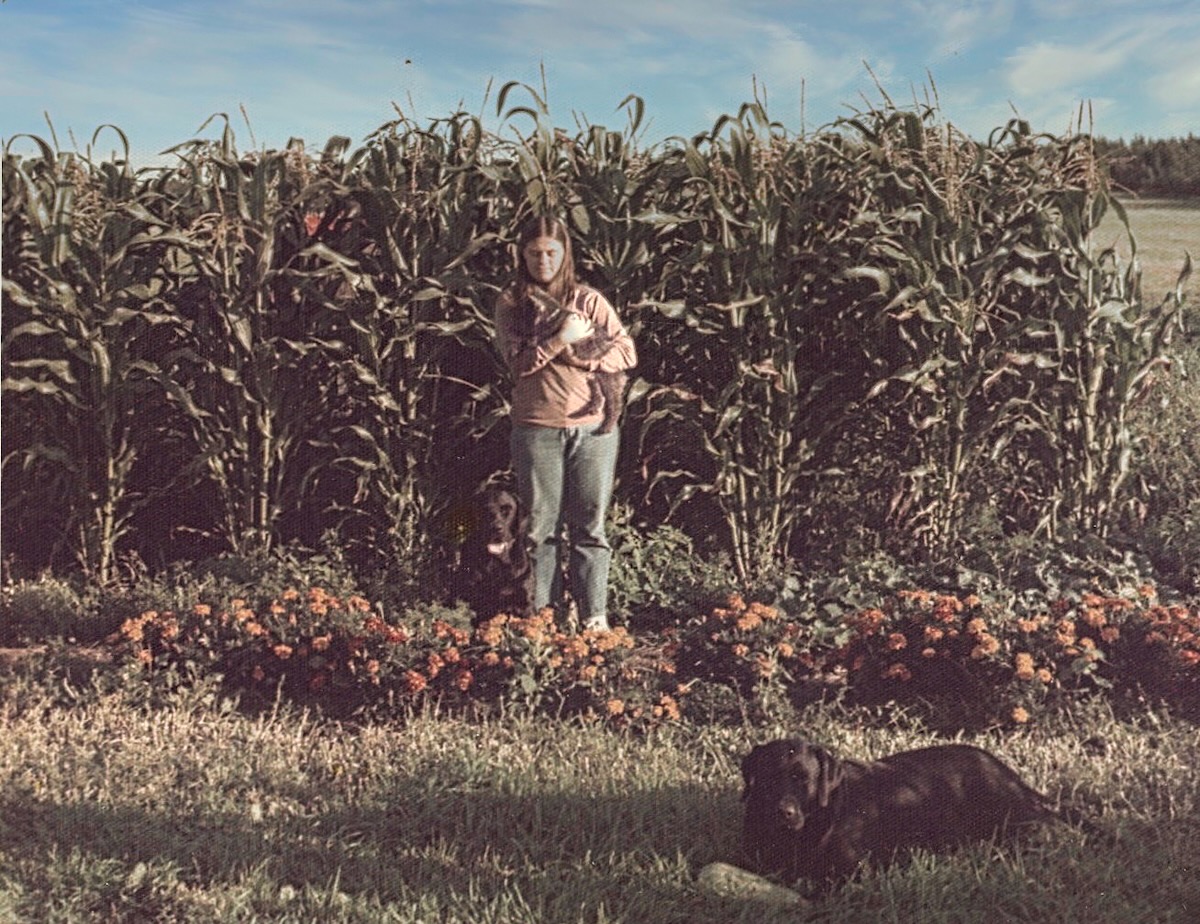
In 1971, after college graduation — I moved to the Nova Scotia shore and began rebuilding a 200 year old farm house still standing because of its massive hand-hewn and pegged beams. That first winter I immersed myself in gardening books and magazines, extending my limited gardening knowledge while trying to pick the right varieties that would thrive in the North Mountain’s short, cold and foggy summer. That first May on the homestead, we had a cold frame, and we started working the land as early as possible. Even with the huge, years old piles of chicken manure getting a garden going in the heavy clay sod was a real challenge for us first time serious gardeners. While we had a tractor, three furrow plow, and manure spreader, we had not gotten them early enough to plow our garden plot the previous fall before the snows came.
In spite of the challenges, it was a bountiful garden, yielding even corn and tomatoes which aren’t easy to grow in the coastal fog. My mother and her sister came up to teach us how to preserve our food for winter. Had I studied colonial American history after that first season of farming instead of before going back to the land, Jefferson’s thoughts would have meant a lot more to me.
Thomas Jefferson believed that “independent, land-owning farmers (‘yeoman farmers’)” were the bedrock of American democracy. Over fifty years of getting my hands dirty have been convinced me that a connection with the land is one of the most important spects of our lives. Being on the land was part of my consciousness well before I started gardening in the summer of 1972. I came from a long line of farmers and millers.
My powerful desire to have land and work that dirt was deeper than most topsoil.
Paraphrase of Page 22, paperback version, The Road to My Country —David Sobotta
I am certain that I will never understand how that came to be.
But the city was never for me. The strange unnatural color of the night made sleep hard to find.
The land was what gave life to us all, and where we go when our lives are gone.
The land was at the center of it all, so how could you understand anything without being on the land?
You take whatever road you can find to get to the land even if you have to build the road yourself.
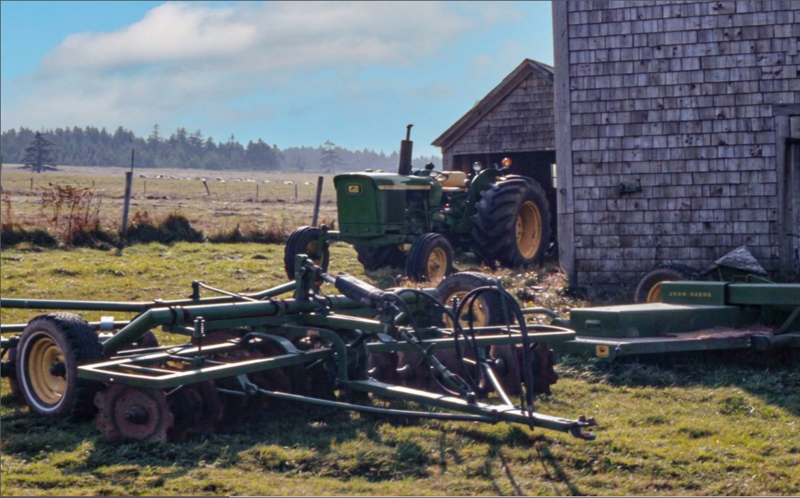
That connection to the land teaches some powerful lessons. One is that you can do everything right and end up with nothing except the choice to push yourself and try again with the hope that this time you will be successful.
You learn to appreciate the unyielding will of a seed to germinate and grow sometimes only to fall victim to a crow, cutworm, or insect.
One of the most important lessons is that when you are successful, that success is directly porportional to the effort that you have expended.
Once you throw animals into the mix, it becomes clear that when you have responsibilities to animals or others, you cannot just blow them off. Your responsibility is a sacred trust.
The great lesson of all is that there are jobs that need to be done and some of them will not get done unless you take them as yours. You can be sure you have grown into the role when you know that you cannot walk away.
These lessons are not easy ones, and not surprisingly they are best learned on the land.
In today’s world it seems impossible for everyone to have their own piece of land. For a young person to become a farmer requires far more resources than almost anyone has.
However, if the connection to the land is so important why not teach it in our schools. Educate the children of today about the importance of farms, especially family ones. I believe that schools in non-urban areas could add gardens to their campuses. Why not have today’s children learn about composting, building soil, planting seeds, and transplanting vegetable plants. Small orchards could be established and students could learn pruning and horticulture. Learning how their food is grown and what happens when the weather doesn’t cooperate are valuable lessons. Any food grown could be taken to food kitchens.
If it is important to teach student financial literacy, writing, math, and computer skills, surely it is important to teach them life skills relating to growing food for themselves and others. Courses like this could be intertwined with the history of our population shifts to urban areas and the rise of factory farms. In learning about growing plants students are learning about recycling and composting required for building healthy, sustainable soils. In teaching students about the land we are creating a potential pipeline of young people interested in farming or at least cognizant of the challenges faced by farmers.
People talk about the importance of national service. What if an option for a national service program is helping family farmers for the summer. When we had our cattle herd in the seventies in New Brunswick, I got a call from a friend who asked me to take in his teenage son and teach him responsibility. He was sure his son was headed down the wrong path. He came to stay and work with us. He had a bedroom in our house and ate meals with us. We worked him pretty hard for several months. He learned to drive tractors and he made his share of mistakes.. I don’t take credit for turning him around but I do think we helped him appreciate hard work and attention to detail. He left our farm ready for college. He went on to get his doctorate and become a professor at an American university.
Even urban schools could adopt vacant lots and turn them into gardens. Failing that we could set up summer farm camps where the efforts of campers help grow food for food banks.
It is really time to realize the importance of giving a new generation a connection to the land which could create a generation of young farmers who care enough about the land to maybe put down their cell phones occasionally. If we don’t create farmers, at least we will have a group of much more educated young voters.