Travel Enriches Life

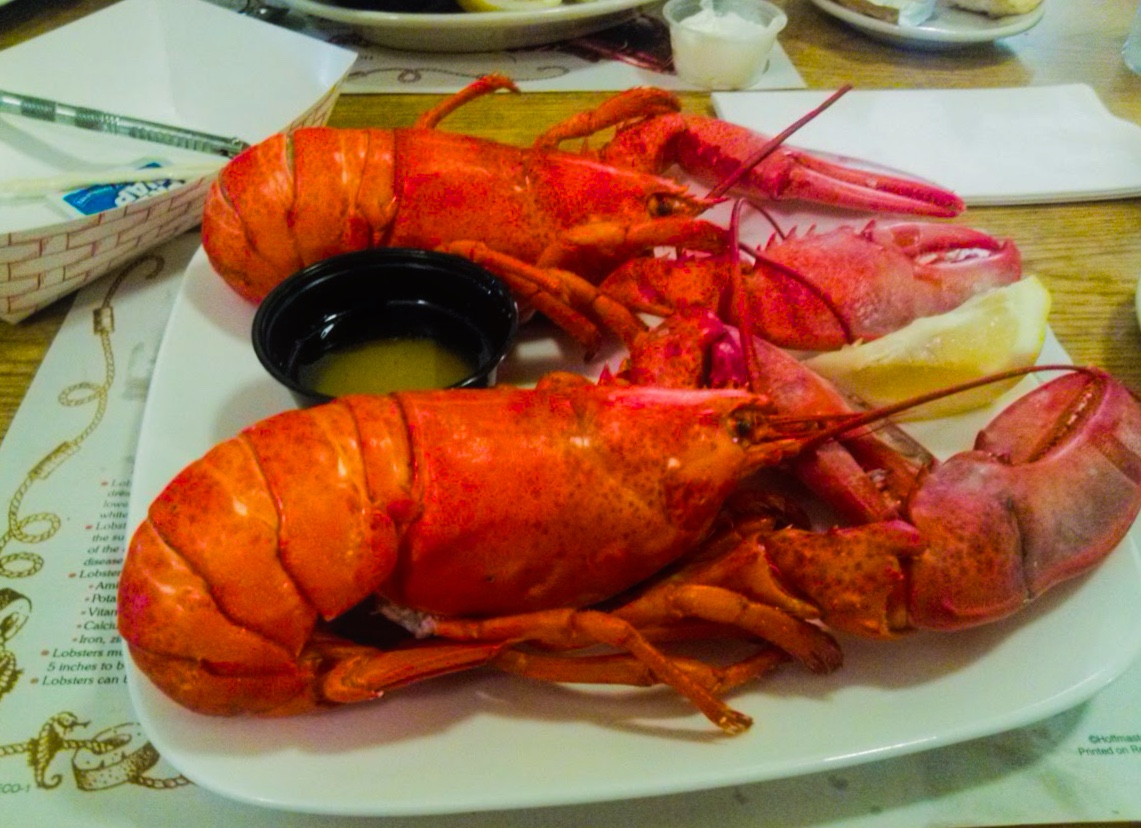
Maine Lobsters from a 2012 Trip to Canada

I have been accused of being born with wanderlust in my soul. I suspect it is true. The urge to travel was nurtured by mother was traveler in her own right. At the age of twenty-six she went to the World’s Fair in New York City, managed a boat trip up the Hudson, a visit to Niagra Fall, and took the train to Chicago and dropped down to Kansas for a visit. She might have had someone with her on the New York part of the trip but I am pretty sure that she was alone on the Kansas leg of her journey. She was a single mother, but she would throw me into the old 1953 Ford, hand me a map, and say let’s go to the beach. Often the back seat had two or three of her neices that were ten years older than me. When she was in her late sixties, she managed a solo air trip from North Carolina to Nova Scotia by way of the ever complex Boston airport. She was never afraid to travel and once she call too old to make long drives herself, she always found a driver. I like to think she taught be how travel and enjoy it with not a lot of money
There are people who never want to leave home. I am not one of those people. Part of me wants to see what is around the next curve or over the top of the next hill. Not only do I want to see it, I want to experience it. I still remember seeing the Montana mountains towering above the plains on my first cross-country trip when I was seventeen and traveled with a nineteen year-old friend in 1966. Seeing mountains so different from those near me made me want to see more serious mountains. We briefly slid into Canada into on that first trip. In 1969, I got another opportunity when a college roommate and I drove to Alaska. We went right up the spine of the Rockies.
While some take pleasure in knowing a community intimately, I find my pleasure of living in a community is greatly enhanced by having seen and even lived in other communities. Living in a wide variety of places makes you appreciate where you live. For the most part, the communities that I have figured out have been warm welcoming places where you feel like making a home and improving your surroundings.
One rule has been my companion, always try to leave a place better than you found it. The first house I bought for six thousand dollars was pink and something of a wreck when I first found it and convinced my college roommates to help remodel it. Though it was not finished when I left three years, it had been stripped to walls, insulated and rewired. It got copper pipes, a new roof, new pine paneling, a new chimney and fireplace, a new bathroom and water supply. We also created a great organic garden and put new roofs on the barn and brought the hayfield back to life. The house looked a lot different when we left.
St. Croix Cove along the Bay of Fundy was not the right place for cattle so we found an old farm in New Brunswick. We didn’t do much to the New Brunswick farm house other than paint it and add a chimney but we built two huge barns, renewed some pasture, and turned another abandoned farm into great hay fields. We farmed until twenty-two percent interest rates pushed me into a job in the city.
By then responsibility for a family had put my wanderlust in the backseat so we went where the job took me and that was Halifax, Nova Scotia. Halifax was a wonderful place to figure out. We would still be living there but we learned most children had to go to Toronto, Alberta, or British Columbia for jobs. We fled back to the states and eventually ended up on the top of mountain overlooking Roanoke, Virginia. We were there when we took our children on their three week journey around the country. I hoped that travel might get in their blood, but perhaps home was too comfortable a place. Though they have traveled, it has never been just for the thrill of it like I have done most of my life.
When I was still living in Nova Scotia and not yet married, I ventured off to Newfoundland and dreamed of homesteading there. My new wife put an end to that but she was okay with farming in the hardwood hills of New Brunswick where we built our cattle operation. She was also okay with leaving all the friends we made during our twenty years in Roanoke for an extended adventure on the North Carolina coast which she grew to love.
We went to the coast wanting to be out on the water. At the age of fifty-seven, I began the journey of becoming a capable boater in the challenging waters of the White Oak River, Bogue Sound, and the Atlantic Ocean. I logged over 500 hours at the helm of my skiff until someone convinced me that seventy years was too old to be boating out in the Atlantic by yourself. Figuring out the coast and how to prepare a house and boat for a hurricane was a lot more complicated than I imagined, but we did it. We stayed through Category 3 Irene and in sixteen years there only evacuated for Florence. While living at the coast, we made a trip back to our Canadian stomping grounds in 2012. On that trip in Bangor, Maine, was where I found those beautiful lobsters.
You can have wanderlust but still want to enjoy and thrive where you are. We added to and improved every house where we lived. We made the places ours . Even after leaving the farm, isome places we were able to have extensive gardens. Our gardens were amazing around our coastal home and here in the Piedmont.
Perhaps the most unique change we made to a place was the small house that we built on the upper back porch of our coastal home. we created an amazing home but there too many steps for our aging knees. In 2021, we looked foreward to a move from the coast to the piedmont. Because we were old there was some exhaustion mixed with excitement, but we have enjoyed getting to learn our new area. I still miss the marsh and all the creatures there, but I have lots of pictures. The trips now are much shorter now but my mind wanders freely.
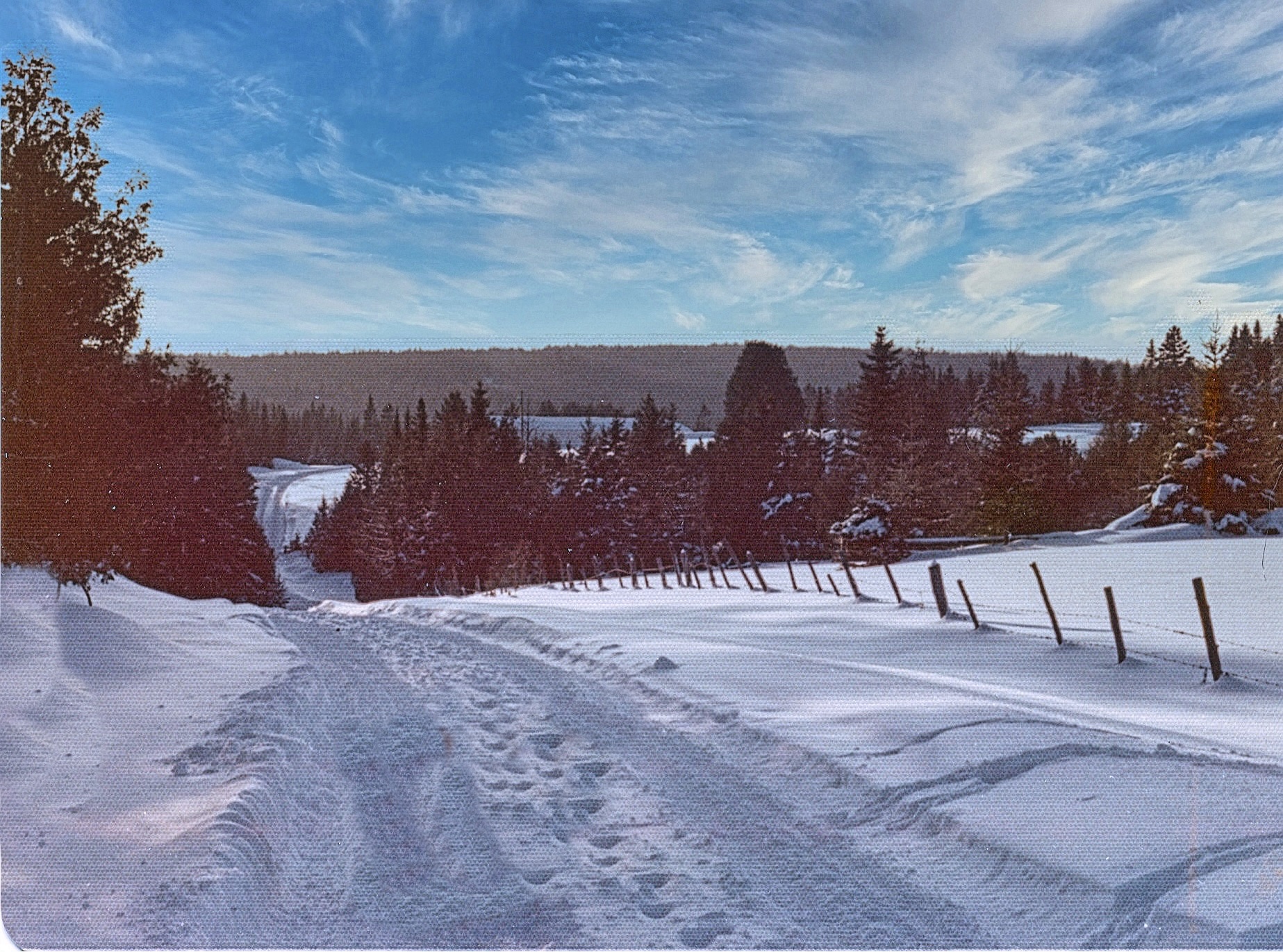
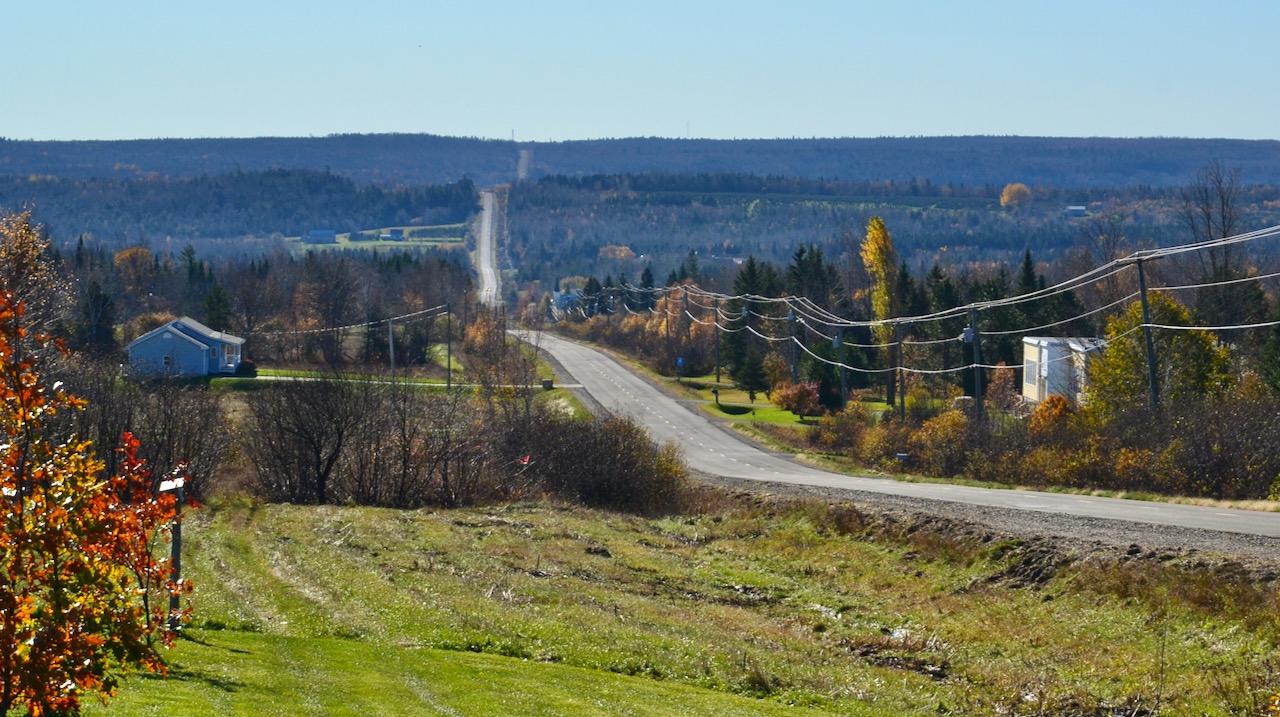
No Regrets-Years On The Land

Headed Home On The Road That Took Me To The Cattle

After I graduated from Harvard, I spent over a decade on the land. First, I was part of the early back to the land movement and then later as a cattleman with two hundred head of cattle before we sold them all in fall of 1982 after enduring 20% interest rates. It was a hard life with little room for error and no vacations but the rewards and lessons far outweighed the challenges.
My training other than my Boy Scout years involved wandering the woods shooting the odd squirrel as a teenager, fishing whenever I got a chance, lots of camping during college, and a summer traveling to Alaska in my Dodge Powerwagon. Studying colonial history during my college years had little value when I headed off the Nova Scotia and the old farmhouse on 140 acres overlooking the Bay of Fundy that I bought with my mother’s help.
Rebuilding the old two-hundred year old farm house was really where the training started. I grew up without a dad so I had no one to teach me many of the skills that I needed in 1971. It is surprising how much I could pick up from the free Sears Roebuck manuals on electrical wiring and plumbing. Carpentery I learned from friends who spent some time in Nova Scotia with me that first six months. Gardening and farming I learned from Roedale Press, Malabar Farm, Living the Good Life, Firefox, and the Whole Earth Catalog.
I learned how to do a Thanksgiving dinner when a handful of Harvard/Radcliffe graduates came to see the place that had captured my soul. It was the first turkey any of us had ever cooked but we managed even the careful negotiations on how much celery went in the stuffing. I had grown up knowing the basics of cooking since my single mother often worked late and if I wanted to eat, some knowledge of getting food on the table was essential.
Gardening while guided by the books but was heavily infludenced by having actual hands in the dirt. I was lucky the first old farm had some giant piles of ancient well-rotted chicken manure. The combination of great compost and Nova Scotia’s foggy shore was so good for growing broccoli, we often picked it in five gallon buckets. The cattle started with a few head on the Nova Scotia place, but I quickly figured out the Nova Scotia shore was a lousy place to raise cattle.
In the summer of 1973, I married a wonderful Southern lady who had grown up in the same area as me. Her mother was a part of the same growing, canning, and cooking environment that my mother had lived. By the fall of 1974, we had found our farm in the hardwood hills north of Fredericton, New Brunswick. There there was plenty of advice on how to farm. I incorporated some of those ideas with my own plans. By 1975 we were wintering our Angus herd in the woods and putting up our hay in round bales. My only help was the previous owner of the farm. He had farmed with horses and eventually a small tractor to help with the loose hay he put up annually. Even in his sixties he took to the world of big tractors like a duck to water. He also helped me build a couple of big barns, one 128 ft by 41 ft and the other 69 ft by 64 ft.
By the time the barns were done, we were putting up 200 to 300 tons of hay per year. I could build anything from kitchen cabinets with my radial arm saw to barns with a chain saw. I could use a welder and an acetelyene torch. I had survived working in over 100F temperatures to to feeding cattle in minus 40F a mile back from our farmhouse. In the dozen or so years we lived on the farm, I amassed enough stories to fill a lifetime. The experiences carried me through a coporate career and have defined my life.
My wife and I still have special friends from those years on the farm. Our lives were fundamentally different from those living off the grid today but many of the lessons we learned are the same being learned in Alaska. We heated with wood, supplied our house with running spring water, grew much of our own food including having a milk cow and chickens. The freezer was always full of beef and there was never a shortage of potatoes in the cellar or vegetables we had canned. We lived in a close-knit community where the men dug everyone’s graves and when the funeral was over, they went out and put their overalls on and gathered their shovels to fill the grave.
We battled as much as 23 feet of snow in one year. It was wild enough that we had no fences in the back of our farms. In the early years snowshoeing on six feet of snow was common. I know what it means to grow animals which you end up eating. My wife’s first lesson in local food was walking into our Nova Scotia kitchen early one morning and seeing a freshly dressed lamb that I had hung from the top of a door frame so I could cut it up. We sometimes ate salmon that the local tribles sold door to door. There were even a few meals of wild native brook trout. In the spring we gathered fiddlehead greens from the marshes. Before our cattle herd got so large we could often pick chantrelle mushroom from the edge of the forest. They were a staple when we lived in Nova Scotia.
The challenges that we faced on the edge of civilization made us stronger people. Living in Halifax, Nova Scotia, Columbia, Maryland, Roanoke, Virginia, and Cape Carteret, North Carolina ground any rough edges off of us and helped us give our three children, all born on the farm, a good start in life. Even at 77 years old, I still garden and I love the feel of rich dirt in my hands.
I have no regrets about the years that I spent living on the land.

Life Sneaks Up On You

The Royal Road, Tay Creek, New Brunswick, Canada

Just after I graduated college in the summer of 1971, instead of going to Law School, I headed off to Nova Scotia. I was part of the generation that felt strongly about getting back to the land and understanding a lot of things that modern society was hiding from us.

A decision like that is possible when you are young, I believe that as age and life will sneak up on you, it gets much harder to go off on your own in a wild adventure as you age. How older people have done it, remains a mystery to me.

Eventually, I got married and my wife and I moved to what I considered a real farm or at least one that I believed that I could make into a modern farm. We never really gave up all modern conveniences like many back-to-the-landers. One of the first things that I installed in our Nova Scotia farmhouse was a dishwasher. I also put one in our home in New Brunswick. I plowed my garden with a John Deere tractor not a horse.

The road in the picture ran 20 miles back to Fredericton, the capital of New Brunswick. We were lucky to have schools, churches, a couple of general stores and medical services in our little community of Tay Creek. Forty years after we left, the churches and general stores are gone. If you want to buy gasoline or a nail, you have to go to Fredericton.

Taking on building a home for your family in an isolated spot which at the time was subject to amazing snow storms is something you only do when you are young and your body can take on almost any challenge. In my twenties and thirties, I never doubted that I could do everything for my family aside from medical care and schooling. Plumbing, electrical wiring, installing appliances, those were expected of the folks who lived beyond the city. There was no one to hire to mow a yard or even change faucet. While we had an oil furnace, most of our heat came from a wood stove. The furnace would come on during the early morning hours as the house cooled. Our water came from a spring. Our food came from our garden, our milk cow, chickens and cattle herd.

As nice as the life on your own in the hardwood hills of New Brunswick was, it was non-stop work. It was ten years before we went on a real vacation. After we left the farm, we mostly lived in suburbs. Seven years after leaving the farm we were in subdivision on the side of a mountain in SW Virginia. For many years I kept the steep slope behind the house clear of brush and small trees. It meant working with a chainsaw on a hill where I could barely stand. Fortunately, I never got injured. It was another activity reserved for youth.

By the time we got to our next house twenty-four years after leaving the farm, the strenuous work was down to mowing the yard, keeping our skiff running, and hurricane preparation. Good preparation for a hurricane often meant the cleanup afterwards was relatively easy. A storm like Hurricane Florence meant extra cleanup for everyone in the area no matter how much you prepared. The older you get, the harder all that is. Polywood outdoor furniture is nice until you have to haul it all into the garage.

When we moved from the coast in 2021, my wife and I were both over seventy. We were far from our children and family. Our house had too many steps and we were both tired of the hurricane routine in spite of never having any real damage to our house.

My wife had almost five acres of raw farmland which was a hayfield in Surry County. We briefly considered building a home there, but quickly decided that we were too old for all the work needed to build a home so we found a great subdivision with public sewer, water, and fiber Internet. Moving to North Carolina Piedmont close to where I grew up has turned out to be a wise decision.

We are glad that we moved when we did. We have friends our age that would like to move from the coast but have decided that they are too old to try. I can relate to their feelings. Getting our coastal home ready to sell and moving with our four kittens was not the easiest thing that I have ever done. I am pretty sure that three years later, I would be reluctant to move again unless I just had to move.

You don’t think about these things when you are young and can handle anything. Life can sneak up on you. It is good to plan a little for the time when you can no longer take on the world with one arm tied behind your back.

Rough Water Triggers Canadian Memories

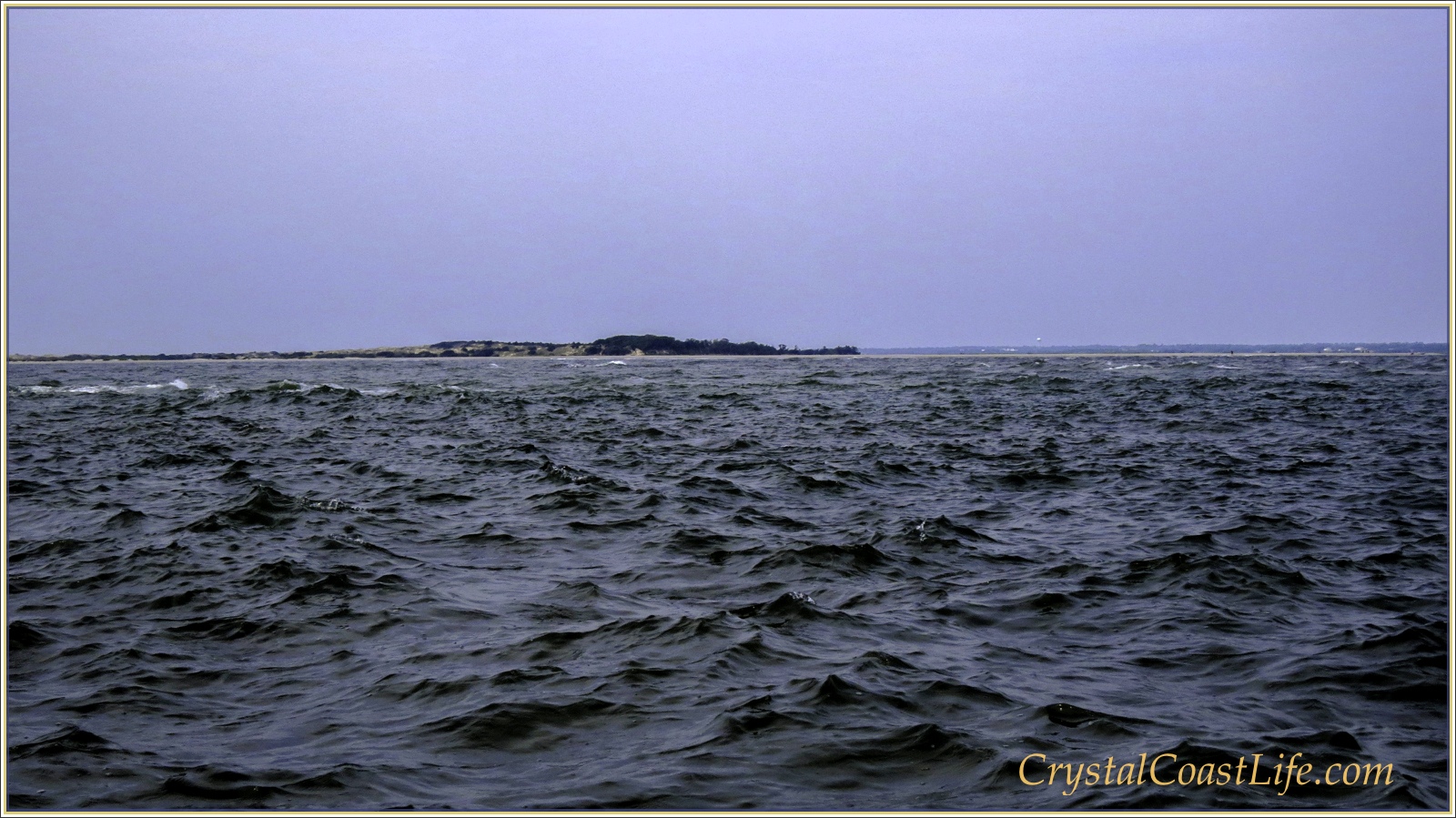
Some rough water we experienced while fishing outside of Bogue Inlet makes me think of the Bay of Fundy and other spots where I have experienced some impressive waters in Canada.  For more information click the link or the picture.  #Canada #CrystalCoast http://ow.ly/ooPaU

Rough Waters Outside of Bogue Inlet, August 28, 2013