Barely Clinging To The Grid

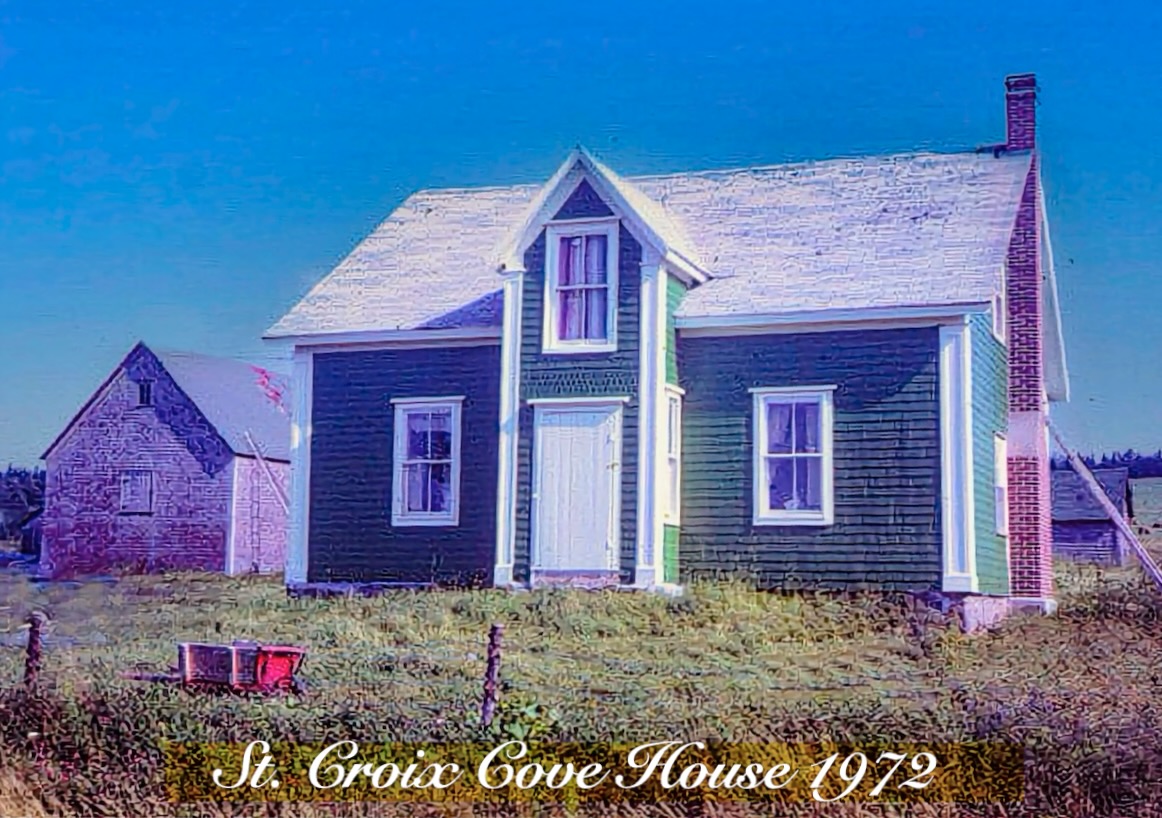
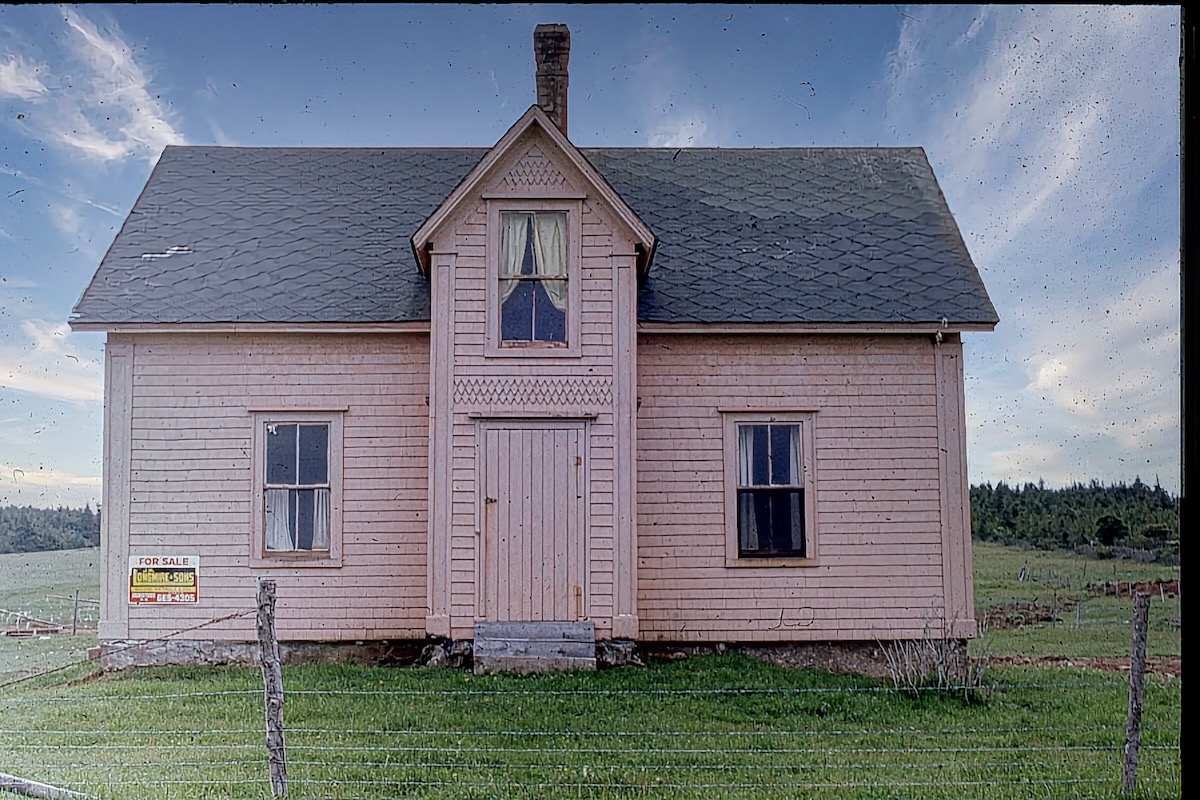
Our formerly pink house after a year of intense work

The dearth of good programming this holiday season has sent me to YouTube where I have enjoyed watching this generation’s homesteaders who would have been part of my generation’s back to the land movement in the late sixties and early seventies.
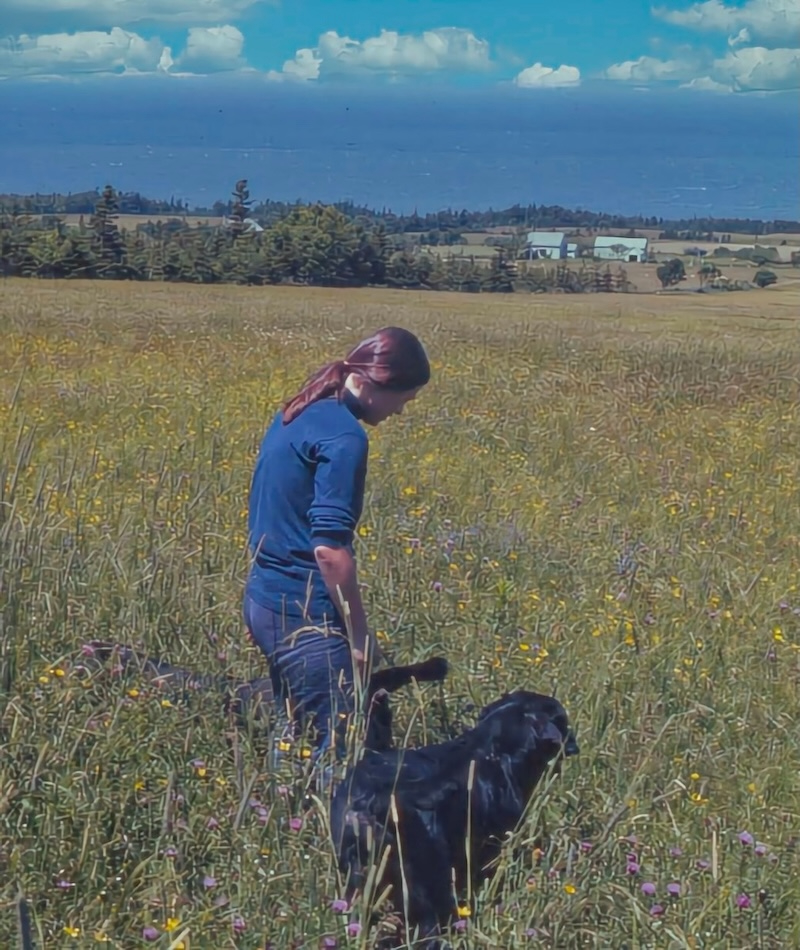
I was on the fringes of that movement back in 1971 when I bought an old farm including 140 acres, a two-hundred-fifty year old farmhouse (pictured above after a year’s hard work), with a barn and out buildings. I had just graduated from Harvard but had chosen Nova Scotia over law school. Four, also disillusioned, college friends went with me to Canada, but I was the only one to make the commitment to become a landed immigrant. My Dodge Powerwagon and Landrover came with me to Nova Scotia. They carried all that I owned including a TV and lots of spare kitchen utensils from my mother in Mt. Airy, North Carolina.
The pink house in the middle of a sheep pasture was in rough shape when I took possession. We set about tearing it down to the hand hewn beams, insulating it and attempting to bring some modern conveniences to the house. That was probably what set me apart from most in the back to land movement who leaned towards off grid domes, hauling their water, and hand tools for gardening and no modern conveniences,
Maybe it was a childhood in rural North Carolina which was still close to the land filled with small farms that made me different. My mother had been born on a millpond in 1910. I had listened to plenty of her stories of ice being stored in saw-dust insulated holes in the ground and cooking over a wood stove. When I was growing up in the fifties some of relatives still had outhouses on their farms. I also probably had camped in the woods more than most. For whatever reason, I was fine with the conveniences that electricity brought including hot water and a dishwasher. I was also happy to use a diesel tractor on our farm.
I became the electrician and plumber for the modernization of the old house. By Thanksgiving of 1971 we were ready to host some college friends who were sure that we were crazy. It was the first Thanksgiving on our own for all of us. It was pretty rough with everyone sleeping on the floor, a blanket for a bathroom door, chicken crates for kitchen cabiinets, and mayonaise jars for glasses. Still we had an electric stove and a dishwasher. Still it was a great celebration of our independence.
The next year the house was more livable but we poured our energies into gardening and farming. My dad gave me $11,000 to buy a tractor, three furrow plow, disk harrows, front end loader, manure spreader and a bush hog. I took $1,500 and bought our first herd of six or seven cows. We also started refurbishing the old baler that had come with the farm. We converted it to a PTO driven model instead of one powered by a mounted gasoline engine.
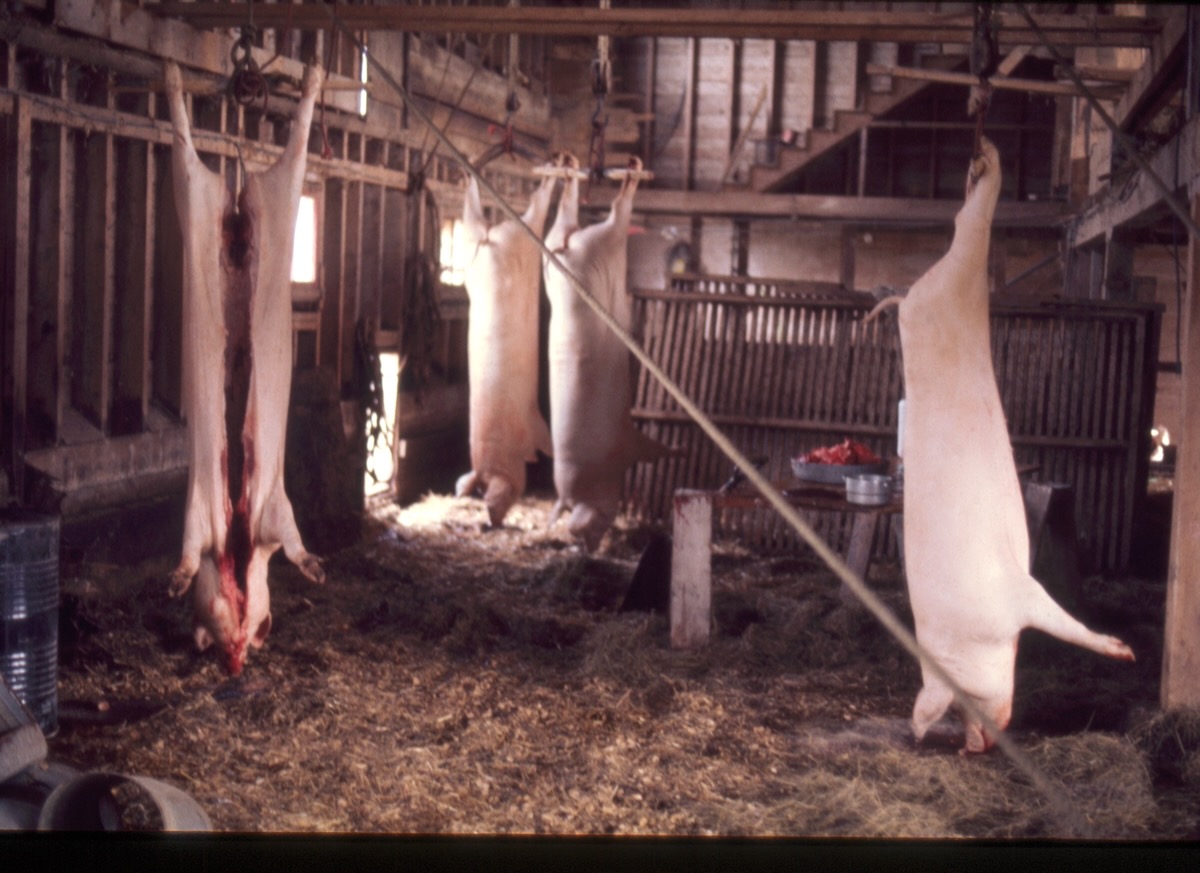
We had unlimited compost from chicken manure that had rotted for years behind some old chicken houses. I had little experience gardening besides helping my mother grow tomato plants in North Carolina. What I did have was inspiration from Helen and Scott Nearing and Malabar Farm. Gardening in Nova Scotia on the foggy North Mountain by the Bay of Fundy required a lot more expertise than in North Carolina. Still the abundance from the garden was overwhelming until my mother and her sister, both experienced canners, showed up to help us through that first harvest. We filled the freezer and the cupboards. That winter we butchered a steer we had fattened from our herd. We hung it age in our cellar before carving it up. The next summer we raised pigs, one for us and three more for neighbors. We butchered them with the help of neighbors in the fall, topped up the freezer and made crocks of salt pork. It was an amazing amount of work that made me appreciate all the fresh pork in the fall that our relatives had always given my mother and me.

That winter of 1972 was something of a lonely one. One member of the college crew married the local school teacher and moved into another old house across the dirt road. The last one of my college friends left for a warmer climate. That left me wintering on the Bay of Fundy with our two Labs, Tok and Fundy, and a handful of cats. I made friends with some back to the land folks who lived far in the woods in a dome. I ordered some supplies with them including a giant tub of honey that was still with me when we moved. Mostly what we didn’t grow came from Beaver Fruit Cooperative in Lawrencetown down in the Annapolis Valley or from itenerant peddlers who sold salt fish and winter vegetables. I say we because that was my last winter alone.
I got married in the summer of 1973 and brought my new North Carolina bride home that September just in time for an early season snow storm that took the power out for a week. We stayed warm with the fireplace and cooked over the same. It was not unusual for the powe to go out on our dirt shore road but a week long outage was rare. That next summer my wife and I continued to garden, work on the house, and farm a little. Farming was a little because I had sold the cattle and part of my land to disolve an uneasy partnership with the friend who had married the village school teacher. Well before garden season my wife and I had made the decision to move to a better farming area with more and friendlier people.
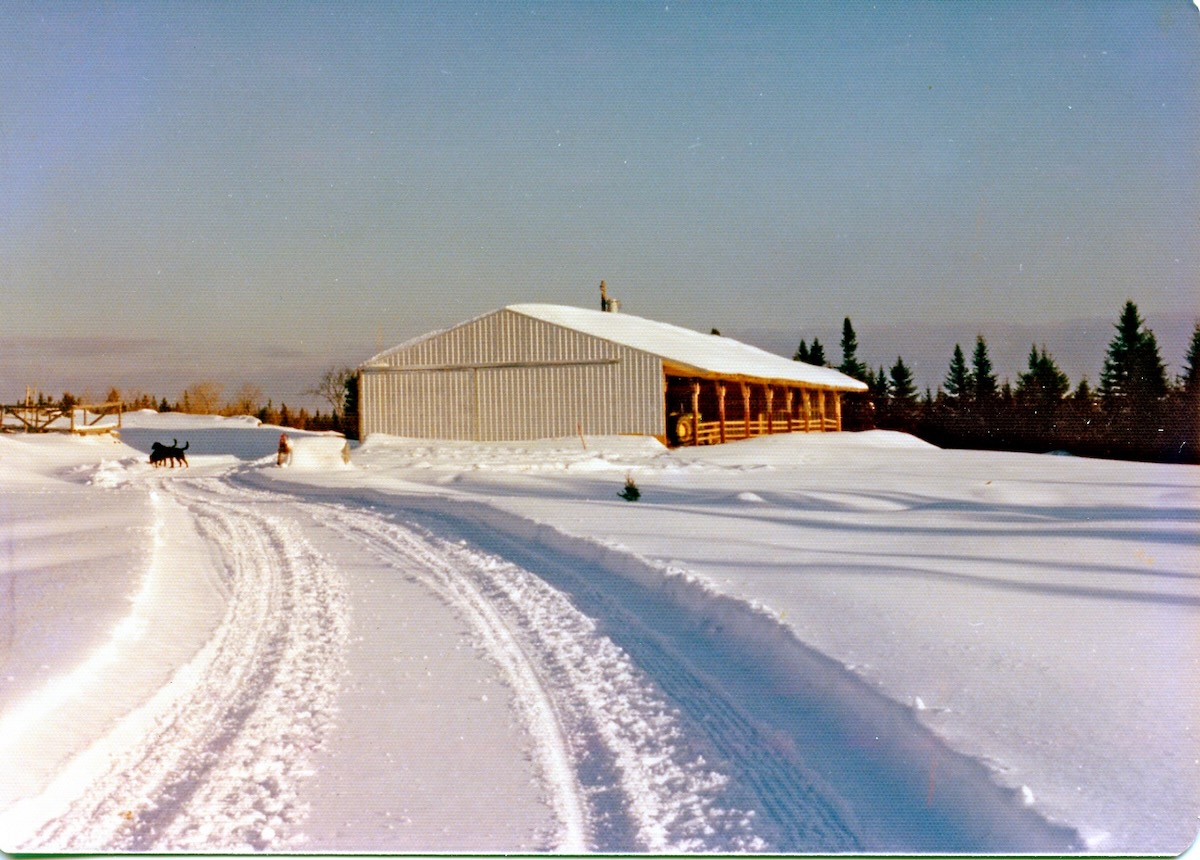
We found the perfect place for us in Tay Creek, New Brunswick. We moved there in the fall of 1974 and started the process of building a real farm with the help of some great neighbors. We built our first barn in 1975 and converted to round bales in the summer of 1975.

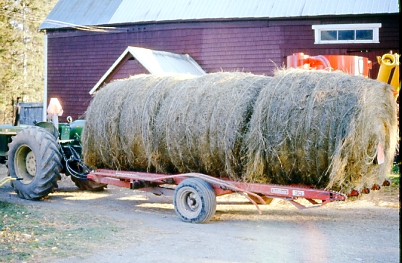
Annually, we put up 200 large round bales for our herd which eventually grew to 200 head of purehred Angus.

We were actually even closer to the land than we were in Nova Scotia. On our New Brunswick farm we had spring-fed water for our house. We continued to garden, added chickens, and a milk cow. However, we found a local butcher to do our annual steer. We were still on the edge of the grid. Our first winter we got twenty-three feet of snow. We saw weather as cold as minus forty with sixty mile per hour winds. We went back to mostly heating with wood, burning three to four cords per year in our much newer home which was only one hundred years old. It was cold enough that we unplugged our freezers in the shed which was attached to house so you could get wood without going outside. The first winter there I fed hay that had been put up with horses. One thing we did not do is fight snow with tiny all terrain vehicles. A couple of miles of road to keep clear required real snow removal equipment.

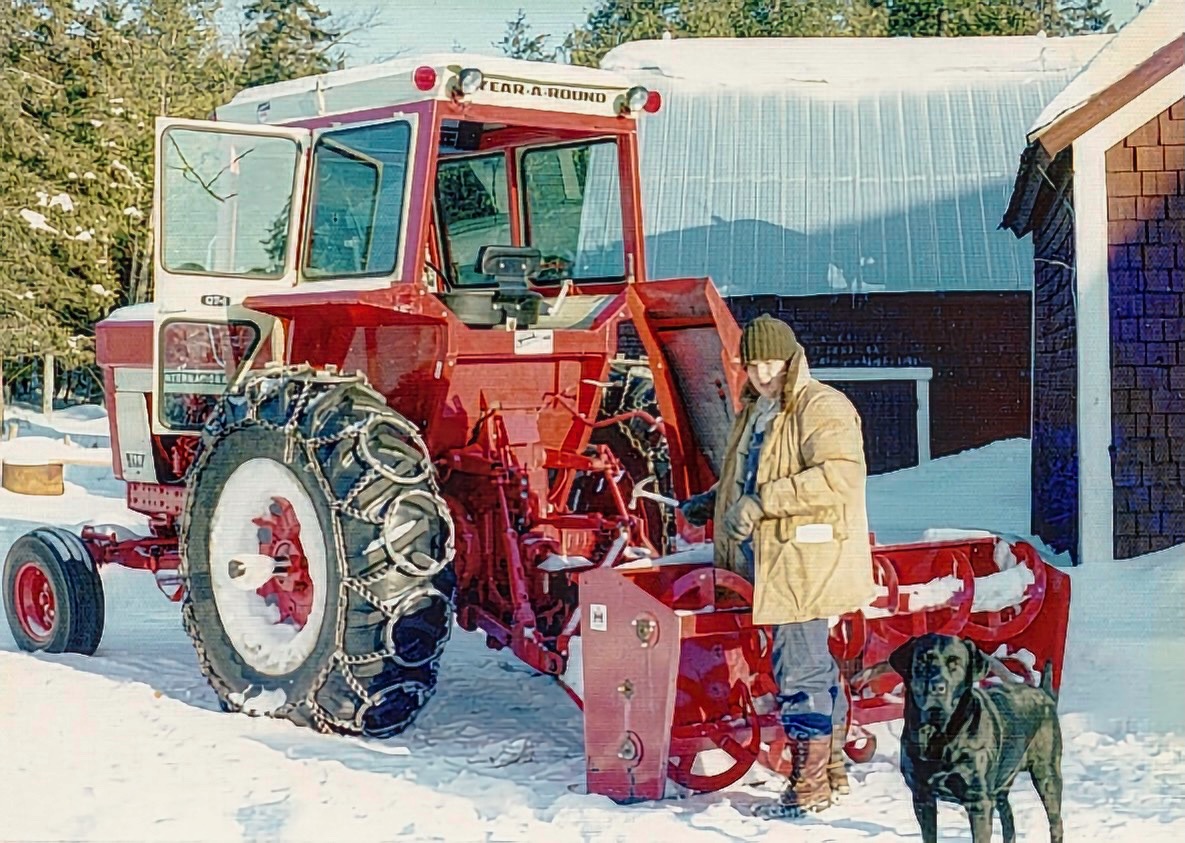
Our 85 HP International 786 tractor with 8 ft wide blower, Tok and me with lots of layers

When I look back on it all, I am amazed that we did it without someone getting really injured. There was no Internet or YouTube for advice. Advice either came from a book or your neighbors. I learned to be pretty self-sufficient often repairing broken equipment with my torch and welder. I added chain saw carpentry to my resume as we built the barns. We ran our cattle in the woods in the winter and managed to get through our farming years without ever having a vet come out for a sick animal. We might still be farming if interest rates hadn’t surged to 20% and drove me to working in the city with computers and eventually to a career of nearly twenty years at Apple Computer.

We were never off grid but if your farm doesn’t have any cattle fences in the back because there is no place for the cattle to go, you can justifiably say you were barely clinging to the grid.

Food, Post Pandemic

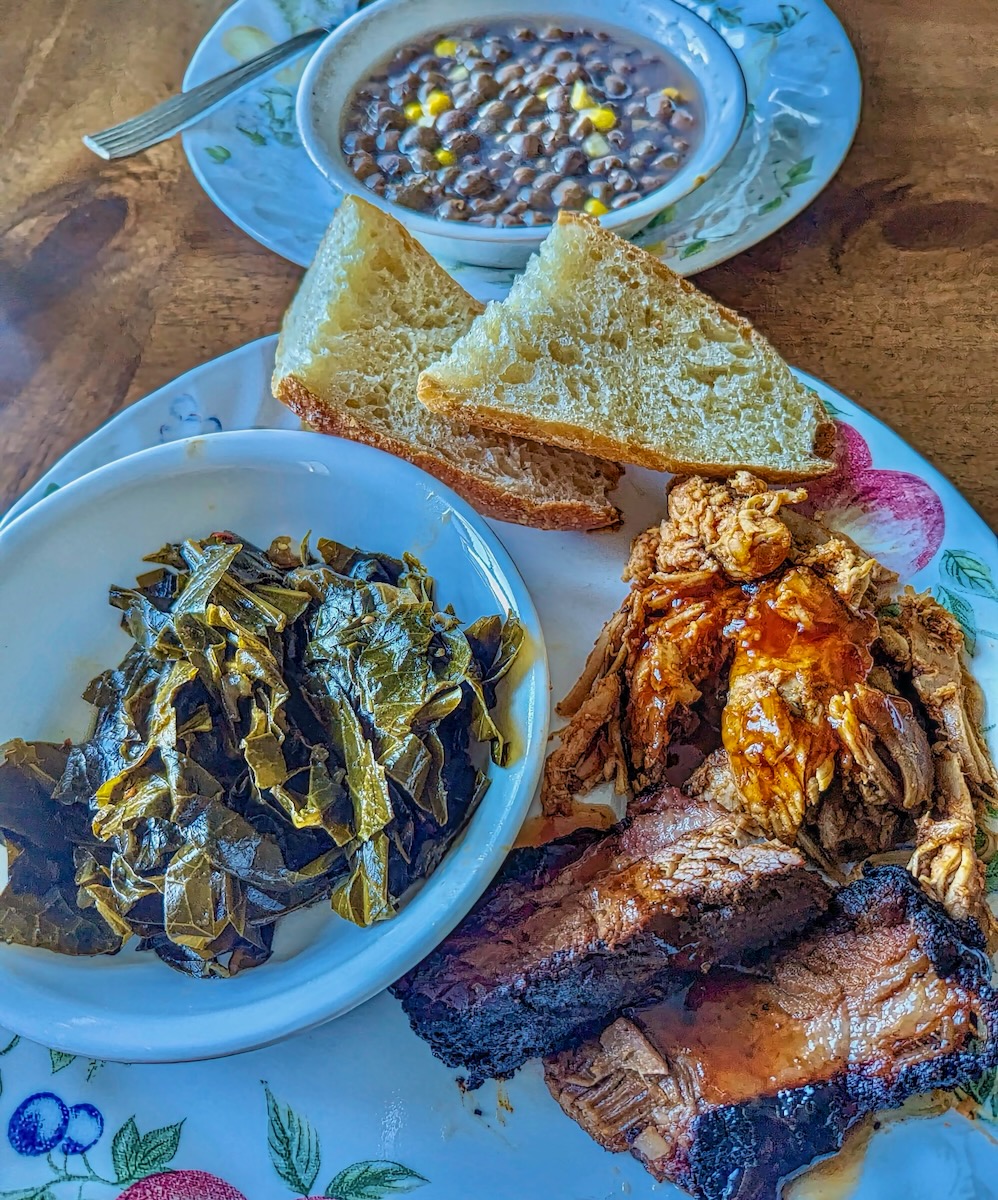
A feast that did not take a lot of cooking

It has been years since I spent significant time in the big cities so I cannot vouch for the state of restaurants outside the rural world of North Carolina’s Piedmont. We have some good restaurants here, but with few exceptions, most can be faulted on something, service, price, or even the quality of the food.

Like many families since the pandemic, we have cut back our in-restaurant eating drastically. We have been disappointed so many times that we often choose to not go back.

Our home-cooked meals have for the last few decades been exceptional. We were fortunate enough to eat wonderful fish like red drum and flounder fresh from the waters of the White Oak River where we lived from 2006-2021. The fish I caught was often supplemented with vegetables from our own garden.

We know what good food is. We understand what it looks like and how it tastes. 

For a decade we had a cattle farm and raised most of our own food. Our kids grew up on unpasteurized Guernsey milk that I got from Rosie, our cow, every morning. Our freezer was full of beef. We had our own chickens which provided us with eggs even when they had only snow for their water.

We had wild red raspberries that grew along the rock piles by our fields. There were plenty of blueberries to be had in the fall and a wonderful strawberry u-pick near us. There were still a few wild strawberries around in those days. We harvested Chantelle mushrooms from our woods and fiddlehead greens from our marshes.  My wife made butter, yogurt, and lots of homemade oatmeal bread.

Times have changed, we left our farm in 1984. We are a lot older but we still love good food. We still garden but it is only supplemental to what we buy from farmers, farmers’ markets and grocery stores. We also have relatives that garden. In  2024, I grew enough tomatoes to sell a few pounds, pay for seeds/plants and still have plenty to enjoy and share with friends.

We have all the tools we need to cook well from a sous vide stick to a gas grill, a wood pellet smoker, an Instapot, and an induction stove.  The challenge is that the older you get, the less time you want to spend cooking and cleaning up. If you don’t like to cook and are not excited by going out, you have to get creative.

We use our cooking energy sparingly, often working to cook something that will last a few days. If I smoke something, we might eat off it for four or five days or until it ends up in the soup pot. A pot of beans or crowder peas will last at least as long. When I bake sourdough bread which I have been doing for over fifty years, it is usually three or four pounds of bread. We always freeze most of what I bake.

Even so there comes a time when the spirit to cook needs a rest. We have learned very little take out food even the good stuff travels well. Pizza needs to come from a place as close as possible, certainly not more than ten minutes away and it is still just pizza. Burgers are better eaten in the parking lot.

Chinese and Mexican food just don’t travel well. Even rotisserie chicken is a gamble and often too salty. The one food we have found that travels well is barbecue or smoked meat. We are lucky to live in the North Carolina where the real wood smoked stuff is plentiful.

A recent meal had crowder peas that were given to us by relatives and cooked by my wife. The brisket and smoked-pulled chicken, and collards came from Honky Tonk Smokehouse in Winston-Salem, NC. Honky Tonk is one of the hidden gems in the Triad area. The baguette was from Camino Bakery in Winston-Salem. It was a delicious takeout meal supplemented by some of our cooking and bread from a good local bakery. It is the way we have learned to give ourselves a cooking break post pandemic – find something that travels well and build a meal around it.

Partners in Cooking and Life

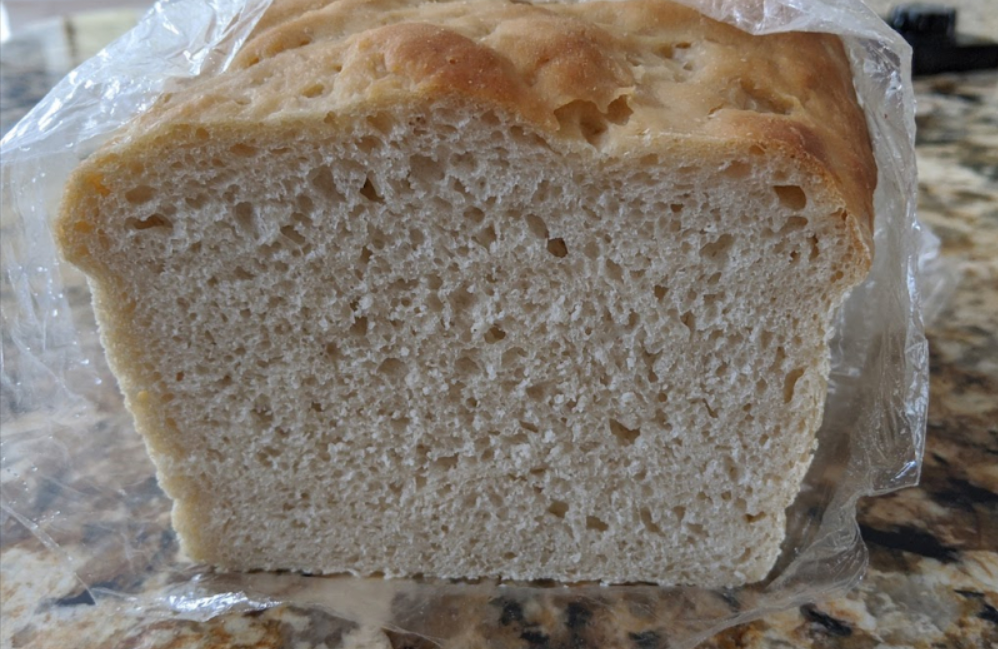
A Loaf of My Sourdough Bread

When I was chasing cows around our farm in Canada, I would have laughed if someone told me that I would replace my wife as the bread baker. I still remember the days that she would bake four or five loaves of oatmeal bread and the kitchen smelled heavenly every time I entered during the day.

I know that cooking together with my wife has become a great joy. We have found a few regional recipes to carry with us as we have wandered from Nova Scotia and New Brunswick to Virginia, the North Carolina coast and back to the rolling hills of the Piedmont.

The meals that we have cooked are almost always based on simple ingredients. We are blessed to have grown up in families that were close to the land. Fresh vegetables and food direct from the farm or sea often have delighted us and made our meals special.

We were blessed to have grown much of our own food for over a decade. We have never lost those skills or the appreciation of truly fresh food grown in soil that has had enriched with compost that we have made.

For much of our life, we were too busy to do much more than get food on table. That has changed. (Read More)

Turkey Tussles

Our perfect 2012 Turkey

The first turkey that I remember being prepared in our house was cooked after we moved to the Mount Airy house with my dad. The first Thanksgiving at college, I did not come home but I got invited out by a college friend, Jack. We had a wonderful dinner and I got my one and only opportunity so far to sample stuffing with oysters.

The next memorable Thanksgiving happened after college. I had purchased an old farmhouse with a barn and 140 acres on the shores of the Bay of Fundy in Nova Scotia. Four of us had spent months remodeling the two-hundred year old house with hand-hewed beams. College friends came up to celebrate that first Thanksgiving on our own in the fall of 1971. We bought the biggest turkey we could find and the ladies in the group figured out how to cook it.

Little did I know I was already on the slippery slope to a smaller turkey and eventually just a turkey breast. I never take exception with the cook but I sure do miss those whole turkeys. (Read more)

The Mill Pond

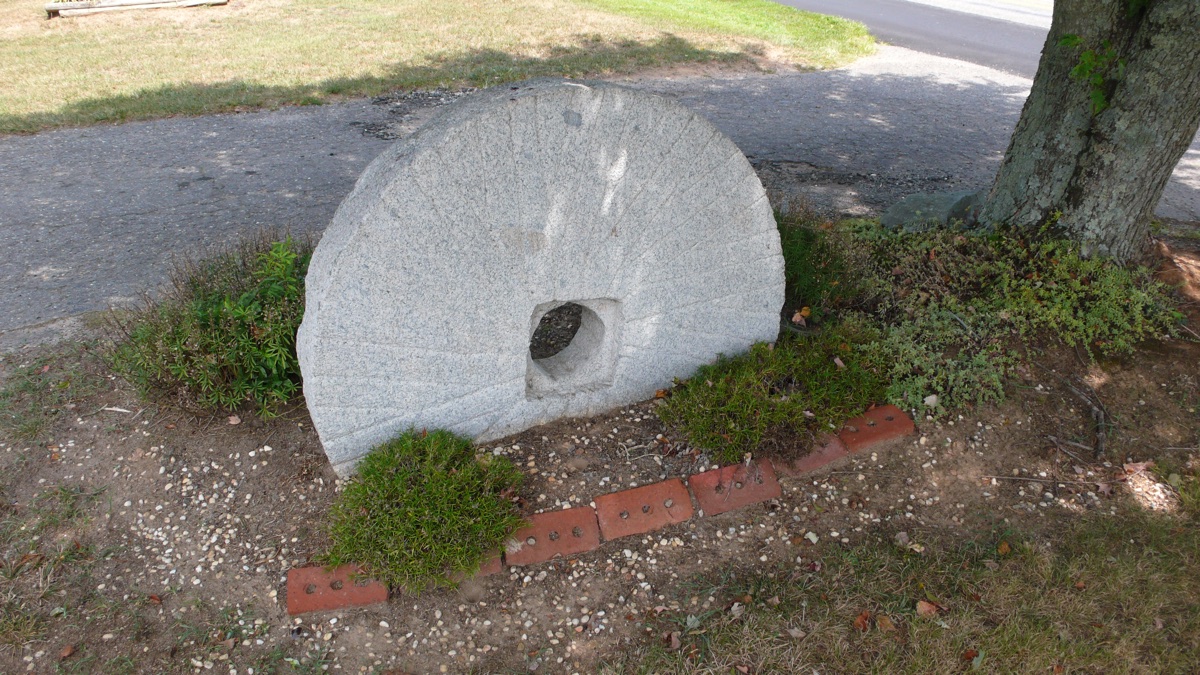
Mill Stone from Walter Styers Grist Mill

My mother spent her childhood up to her teenage years on a mill pond. In my mind’s eye I can see the mill pond, the mill and the house. I have certainly heard enough stories.  My mother grew up there.  As a very young child she got lost in the woods one night. She had tagged a long with her older brothers to play at the other end of the pond.  Like older brothers will do, they got frustrated with their sister hanging around and told her to go home.  She got lost on the way back. She was found by a black man who helped at the mill. She was found only after spending a long cold night in the woods with only one of the family’s dogs as company. Walter Styers, her father, was getting ready to drain the pond and start looking for her body just before she was found. (Read more)

Not the Last Farmer’s Market

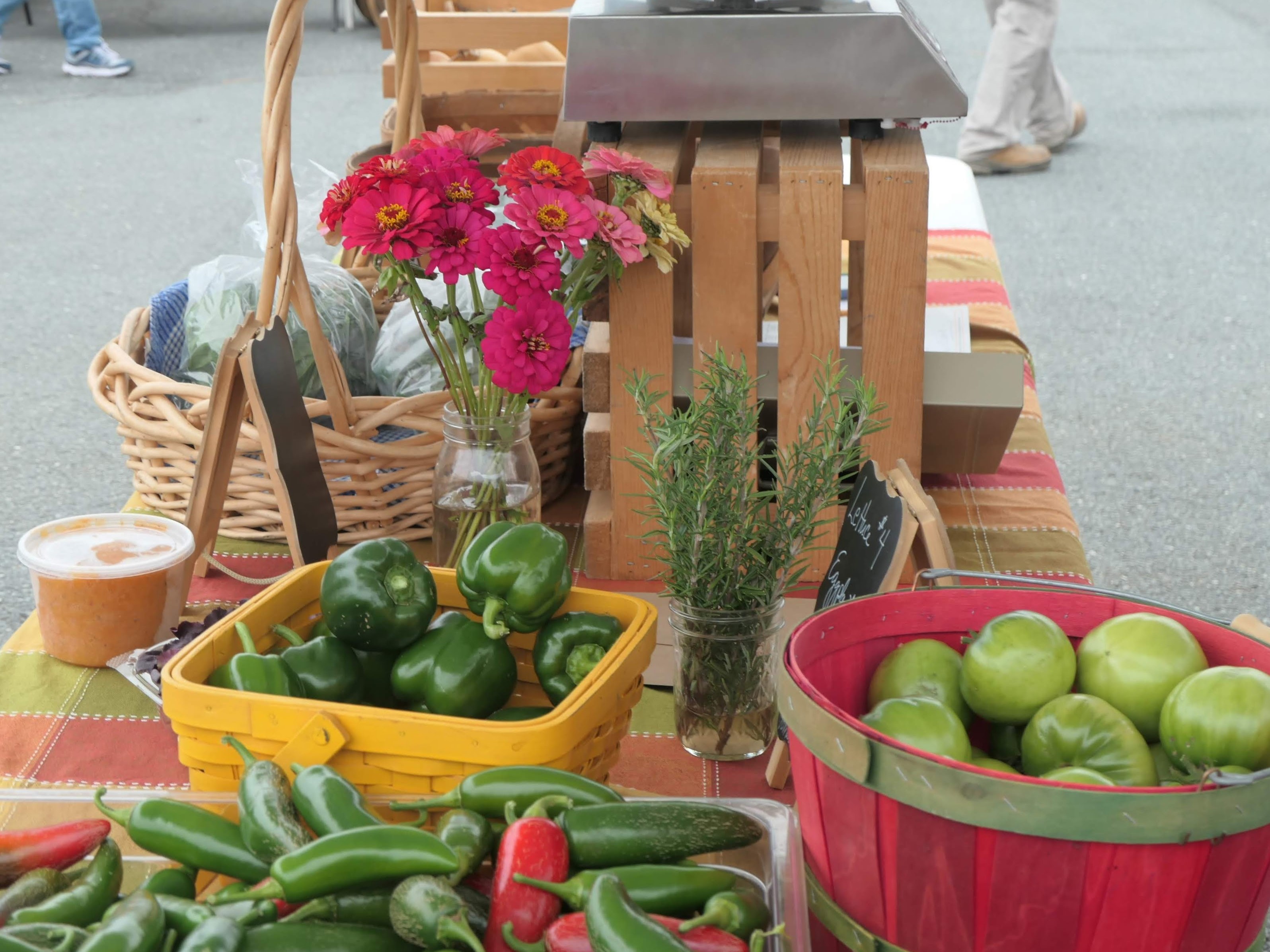
Mocksville, NC Farmer’s Market, November 3, 2021

We actually started going to farmer’s markets as a couple when we were living north of Fredericton, New Brunswick. We went to see people and to pick up a few things that we did not grow on our own farm. Even more so than most farmer’s markets, there were homemade items interspersed with farm produce. There were no food items that we really needed but I think we went home with baskets to use with our own garden produce. Still we enjoyed the market especially the people.

Maybe it was because we had dirt under our fingernails and a close connection to producing food but for whatever reason, visiting farmer’s market became a life-long passion. Read More

Life is changing

One of our four rescued marsh kittens that have delighted us during the coronavirus crisis.

The COVID-19 crisis has undermined my optimism, broken some of my connections with others, and altered my view of our country. All that has happened and the crisis is far from over. In spite of the advice to stay home, the last couple of weekends we have seen the first significant wave of beach people with license plates from New York, New Jersey, Massachusetts, Tennessee, Georgia, and even Florida. We also know that we have plenty of North Carolina visitors and likely most of them come from some of our state’s own hot spots. Things could get much worse in our coastal paradise.

I feel like the pandemic is peeling away layers of my psyche like the layers of an onion. Things have changed and what ends up as our new normal is still an open question. Read more